Free shipping on orders over $79!

Wine Yeast & Additives

While one would think that wine ingredients consist solely of grape juice and yeast, making wine can actually be much more complex than that!  The ingredients in wine can include different nutrients for the yeast or malolactic bacteria, tannins to add complexity, acids to adjust the pH, and SO2 to help stabilize the wine and protect it from spoiling.  So, where should you start?

If you're wondering where to buy wine yeast, look no further.  We have one of the largest selections available, offer multiple sizes for convenient pitch rates, and guarantee all of our wine yeast to be fresh.  We offer both red wine yeast as well as white wine yeast, and carry a full line of wine additives as well!  Of course, if you have questions on what yeast or additives you should be using for your home made wine, we always invite you to email our support staff at info@moreflavor.com!

Need help picking the right yeast for your grapes? Click here to check out our yeast and grape pairing guide!

Shop by collection
185 products

  • Insulated Ice Pack Shipping Upgrade Insulated Ice Pack Shipping Upgrade

    Ice Pack & Insulated Mailer

    94 reviews

    Includes 2 ice packs and an insulated mailer to help keep your liquid yeast cold during transit.  The Insulated Mailer option is a great way to extend the length of time your ice remains cool!  These special envelopes contain self expanding foam, which creates a form-fitting container that protects and insulates liquid yeast.  This upgrade includes the Insulating Envelope and 2 Ice Packs. This option fits a number of yeast vials, pouches, or cans, and is made from thick foam insulation.  Because different yeast take up different space, each producer will fit a different quantity in this mailer.  See the chart below for what quantity of what yeast will fit inside. Yeast Producer / Brand Quantity that will fit in Insulated Mailer White Labs 6 Imperial Yeast 3 Wyeast 3 GigaYeast 3 Omega 3 To purchase, simply add however many Insulated Mailers will be needed to contain however many yeast are in your cart. Please Note!  Any additional yeast will be shipped outside of the mailer.  This option includes ice, and no additional ice needs to be purchased. Please note - Liquid yeast will not arrive cold even when shipped with ice packs. Ice packs and insulated mailing options are designed to keep the yeast colder for longer during shipment, but they will not ensure that your yeast arrives cold. We will not replace liquid yeast that arrives warm. During warmer months we strongly recommend you choose dry yeast.

    $4.99

  • Large Insulated Ice Pack Shipping Upgrade Large Insulated Ice Pack Shipping Upgrade

    Ice & Insulated Mailer for Liquid Yeast - Large

    7 reviews

    Includes 4 ice packs and an insulated mailer to help keep your liquid yeast cold during transit.  The Insulated Mailer option is a great way to extend the length of time your ice remains cool!  These special envelopes contain self expanding foam, which creates a form-fitting container that protects and insulates liquid yeast.  This upgrade includes the Insulating Envelope and 4 Ice Packs. This option fits a number of yeast vials, pouches, or cans, and is made from thick foam insulation.  Because different yeast take up different space, each producer will fit a different quantity in this mailer.  See the chart below for what quantity of what yeast will fit inside. Yeast Producer / Brand Quantity that will fit in Insulated Mailer White Labs 22 GigaYeast 12 Wyeast 12 Imperial Yeast 5 Omega 6 If you aren't ordering this many yeast and want a smaller insulated mailer, check out our ICE1. To purchase, simply add however many Insulated Mailers will be needed to contain however many yeast are in your cart. Please Note!  Any additional yeast will be shipped outside of the mailer.  This option includes ice, and no additional ice needs to be purchased. Please note - Liquid yeast will not arrive cold even when shipped with ice packs. Ice packs and insulated mailing options are designed to keep the yeast colder for longer during shipment, but they will not ensure that your yeast arrives cold. We will not replace liquid yeast that arrives warm. During warmer months we strongly recommend you choose dry yeast.

    $8.99

  • Fermaid K - PLACEHOLDER Fermaid K - PLACEHOLDER

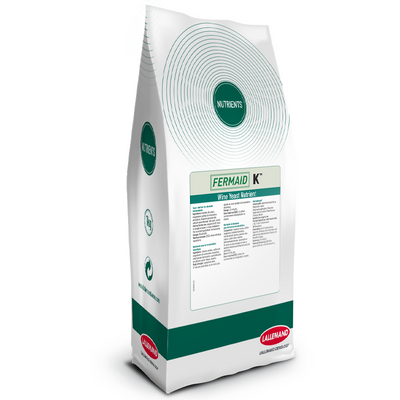
    Fermaid K

    26 reviews

    Smart brewers know that a yeast starter is the best way to ensure proper cell count and yeast viability prior to pitching. If you want a reliable starter for your batch of beer, you need to feed the yeast. Adding a yeast nutrient to the starter will give the yeast an added boost! Fermaid K is a yeast nutrient that works for starters and main fermentation. Here’s how it works:   Fermaid K is a complex formula that provides DAP, free amino acids, yeast hulls, unsaturated fatty acids, sterols; and micronutrients such as magnesium sulfate, thiamin, folic acid, biotin, calcium pantothenate, and other vitamins and minerals. Yeast use Nitrogen for protein synthesis and to maintain cellular growth. Nitrogen from the alpha amino acids contained in Fermaid K is utilized much more efficiently than from the ammonia salts like DAP. The unsaturated fatty acids and sterols available in Fermaid K are important survival factors needed to maintain alcohol resistance. They also help keep volatile acidity levels low. The cell wall fractions, available through the included yeast hulls, absorb medium chain fatty acids that are toxic to the yeast. They also provide nucleation sites to help keep the yeast in suspension. You do not need to add any additional fertilizers or DAP when adding Fermaid K. Use approximately 1 gram per gallon. Rehydrate in distilled water.   A rough approximate of weight is 1 tsp = 4.7 grams. We highly recommend using a scale to weigh the product for an accurate dose.   For a similar product check out CellarScience® FermFed Yeast Nutrient!    

    $1.99 - $227.09

  • Fermaid O - PLACEHOLDER Fermaid O - PLACEHOLDER

    Fermaid O Yeast Nutrient

    19 reviews

    The Fermaid line of products are a range of nutrients that have been adopted from winemaking and put to use supporting beer fermentations as well.     Fermaid O is a newer formulation of the long trusted Fermaid K nutrient which replaces the inorganic DAP in Fermaid K with an organic source of nitrogen instead. The organic nitrogen in Fermaid O is better for your yeast, and that results in better beer!   Organic Nitrogen is easier for your yeast to digest, resulting in a smoother, more consistent fermentation. Fermaid O fermentations show fewer temperature spikes, which minimizes negative effects that can be caused by heat. Compared to DAP, Fermaid O results in more consistent and complete fermentation, and lower levels of negative sulfur compounds and other off-flavors.   Use at a rate of 1.5g / gal of wort. Dissolve in a small amount of wort or water and add to your fermenter at pitching.   Like Fermaid O? Then you will love CellarScience™ FermFed DAP Free Yeast Nutrient!

    $3.79 - $469.99

  • Go-Ferm Protect Evolution - PLACEHOLDER Go-Ferm Protect Evolution - PLACEHOLDER

    Lallemand | Go-Ferm Protect | Yeast Rehydration Nutrient

    30 reviews

    A new, advanced formulation of Go-Ferm Go-Ferm Protect is a natural yeast nutrient that is added to the yeast hydration water before adding your selected yeast strain. Its complex formula provides your yeast with the proper sterols, unsaturated fatty acids and micronutrients needed to begin fermentation in optimal shape. The great thing about Go-Ferm Protect is that the proper nutrients and vitamins are introduced BEFORE the yeast is added to the must. This way 100% of the nutrients are available to your selected yeast strain and won't be stolen away by any indigenous yeast or bacteria that may be present in the must before your yeast can become established. Go-Ferm Protect was created as a result of a multi-year study of problem fermentations by Lallemand and the National Agricultural Research Institute (INRA) in France. During this period, they looked at the adverse effects on the yeast from overripe fruit (>28 Brix), low nutrient levels, overclarification of the juice and poor fruit quality (Botrytis, rot, high bacteria count, insecticide and fungicide residue). Their research showed that musts deficient in sterols and unsaturated fatty acids made yeast more susceptible to ethanol toxicity (high alcohol), osmotic shock (high sugar), temperature and others stress factors. In response to this data they created the NATSTEP (NATural STErol Protection) process that incorporated sterols, unsaturated fatty acids, as well as vitamins and minerals into an advance yeast hydration nutrient: Go-Ferm Protect. Go-Ferm Protect provides a combination of protective and nutritional benefits that ensure your yeast begins your fermentation in peak form! The best part is that if your fruit is in great shape then Go-Ferm Protect will simply help your yeast out that much more! Go-Ferm Protect does not contain any DAP, as DAP is harmful to the yeast during the rehydration process. GO-Ferm is usually used in conjunction with our Fermaid K yeast nutrient; where Go-Ferm Protect is used at yeast hydration then Fermaid K is added at the first signs of fermentation and again after 1/3 sugar depletion. Use: Use at a rate of 1.25 g Go-Ferm Protect per 1 g of yeast. A rough approximate of weight is 1 tsp = 3.2 grams. We highly recommend using a scale to weigh the product for an accurate dose. We do not recommend relying on these rough conversions for accurate dosage rates. Click Here for a copy of MoreWine!'s Guide to Yeast Rehydration Like Go Ferm Protect? Then you will love CellarScience® FermStart!

    $2.79 - $383.05

  • Dry Wine Yeast - EC-1118 - PLACEHOLDER Dry Wine Yeast - EC-1118 - PLACEHOLDER

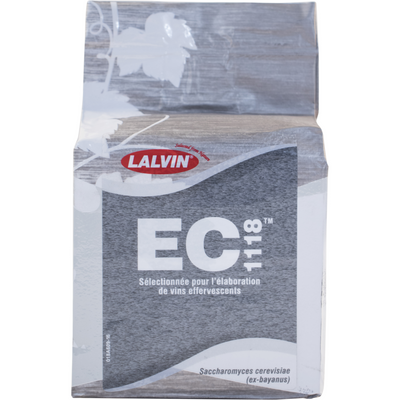
    Lalvin EC-1118 (Prise de Mousse) | Dry Wine Yeast

    8 reviews

    Lalvin EC1118 is a fermentation workhorse, ideal for any application requiring strong performance, high alcohol tolerance, and minimal flavor interference Its reliability under stress makes it a staple in both home and commercial fermentations where consistency is critical Versatile, robust yeast for clean and complete fermentations Lalvin EC1118 is a highly reliable and neutral yeast strain, originally isolated from the Champagne region. Renowned for its strong fermentation kinetics and high alcohol tolerance, EC1118 is widely used in sparkling wine production, secondary fermentations, ciders, fruit wines, and distillation mashes. Its clean fermentation profile ensures the preservation of varietal and fruit character, making it a staple for winemakers seeking consistency and purity. Key Features: Alcohol Tolerance: Up to 18% v/v, suitable for high-alcohol fermentations. Fermentation Temperature Range: 10–30°C (50–86°F), allowing flexibility across various fermentation conditions. Killer Factor: Killer positive, inhibiting many wild and sensitive yeast strains, aiding in maintaining fermentation dominance. Nutrient Requirements: Low to moderate; benefits from complex nutrients in low-nitrogen musts or high-alcohol applications. Flocculation: Low to medium, resulting in compact lees and improved clarity. SO₂ Production: Low to moderate, minimizing the need for additional sulfur dioxide additions. H₂S Production: Low, reducing the risk of off-odors. Fermentation Profile & Flavor Contribution EC1118 is prized for its neutral sensory impact, producing very few esters or higher alcohols. This clean profile allows the varietal character, terroir expression, or adjunct flavors (in cider or fruit fermentations) to shine through. It is known to minimize the perception of residual sweetness due to its ability to ferment to dryness even under stressful conditions. While not typically chosen for aromatic complexity, EC1118 produces a subtle spectrum of fermentation-derived volatiles such as ethyl esters and low levels of isoamyl alcohol under certain conditions. It has low volatile acid production and is particularly good at suppressing undesirable wild microbes. Applications: Sparkling Wines & Traditional Method (Méthode Champenoise): Due to high pressure and alcohol tolerance. Stuck Fermentations: Excellent restart yeast thanks to its resilience and killer activity. Ciders: Clean fermenter that allows fruit expression and can handle cold temperatures. Fruit Wines: Neutral character supports delicate fruit aromas without masking them. Distillation Ferments: High attenuation and ethanol yield. Mead: Strong fermenter in low-nutrient environments when supplemented properly. Beer (Hybrid Styles): Occasionally used in brut-style beers or for attenuation of residual sugars in high-gravity ales. Flavor Profile: Neutral Base: Minimal sensory contribution, allowing primary ingredients to dominate. Enhanced Freshness: May enhance the perception of dryness and freshness. Clean Finish: Very low ester and fusel production, resulting in a crisp and reliable finish. Usage: Rehydration: Rehydrate in 10 times its weight of chlorine-free water at 35–40°C (95–104°F) for 15–20 minutes. Stir gently to avoid clumping. Pitch Rate: Use 0.2–0.4 grams per liter (1–1.5 grams per gallon) for optimal fermentation and flavor development. Nutrient Addition: Supplement with yeast nutrient to enhance fermentation kinetics and prevent sluggish behavior, especially in high-sugar or low-nitrogen musts. Fermentation Temperature: Maintain between 10°C and 30°C (50°F and 86°F) to optimize fermentation performance and preserve desired flavor profiles. Click here for a PDF of the MoreWine Manual on re-hydrating wine yeast. Click here for a PDF of the MoreWine Yeast and Grape Pairing Guide.

    $1.79 - $525.99

  • Potassium Metabisulfite - PLACEHOLDER Potassium Metabisulfite - PLACEHOLDER

    Potassium Metabisulfite

    11 reviews

    Potassium Metabisulfite, (often referred to as "SO2", "sulfites" "meta", or "meta-bi") has several uses in winemaking. At the crush, sulfites are generally used to help control the spoilage bacteria and indigenous yeast that may already be present both on the fruit and in the winery (i.e. on the picking bins, processing equipment, tanks, tubing, etc). The amount generally used is enough to inhibit most of the unwanted organisms but not enough to hinder a cultured yeast, which has a higher tolerance to sulfites than most of the indigenous organisms do. This inhibition effectively "wipes the slate clean" for the cultured yeast to step in and rapidly colonize the must so that it can effectively dominate the subsequent fermentation. In addition, sulfites also help to inhibit the enzymatic browning of both musts and finished wines so that all of their delicate complexities can be preserved. Later, during storage and in the bottle, sulfites at the proper levels will further protect a wine by continuing to inhibit spoilage organisms, as well as by scavenging oxygen. Note that the exact amount needed to effectively do the job is determined by the pH of the wine. Refer to our MoreManuals! on Red or White Winemaking or one of the winemaking books that we offer for a complete explanation on how to properly manage sulfites. In addition, it's important to keep in mind that free SO2 levels fall faster in wood cooperage than in glass or stainless, so if you are using a barrel you will most likely need to manage sulfite levels more closely. The most common form of Metabisulfite is as a powder which is fixed with potassium or sodium. 1/4 tsp of Potassium Metabisulfite adds 50ppm to 5 gallons of must. Old Metabisulfite loses potency with time and should be replaced every year to assure that you are getting correct levels. You can use old Metabisulfite to make solutions for sanitizing equipment.

    $6.99 - $239.99

  • Sorbistat K - PLACEHOLDER

    Potassium Sorbate (Sorbistat K)

    Sorbistat K, Potassium Sorbate, ensures against renewed fermentation in wine when residual sugar is added post the initial ferment. Add at the rate of .5 to .75 grams per gallon (125-200ppm) in conjunction with .3 grams of meta-bisulphite (50ppm) per gallon. Use the higher end of the range (200 ppm) as the wine's pH approaches or exceeds 3.5 or when the alcohol conent of the wine is below 10%. Note: Will not stop an active fermentation. Potassium sorbate should not be used if the wine underwent an ML fermentation because sorbic acid (in the potassium sorbate) will react with lactic bacteria to produce a "geranium" smelling off-flavor. A rough approximate of weight is 1 tsp = 2.3 grams. We highly recommend using a scale to weigh the product for an accurate dose. We do not recommend relying on these rough conversions for accurate dosage rates.

    $3.49 - $399.99

  • Diammonium Phosphate (DAP) - PLACEHOLDER Diammonium Phosphate (DAP) - PLACEHOLDER

    Diammonium Phosphate (DAP) - Yeast Nutrient

    14 reviews

    Give your yeast an added boost with this yeast nutrient.   Diammonium Phosphate (DAP) is a good source of nitrogen for yeast. The added nitrogen will help the yeast will remain active through the ferment. Use 1/2-3/4 gram per gallon (1/2 tsp per 5 gallons).   A rough approximate of weight is 1 tsp = 3.1 grams. We highly recommend using a scale to weigh the product for an accurate dose. We do not recommend relying on these rough conversions for accurate dosage rates.

    $4.99 - $169.99

  • CellarScience - FermFed (DAP Free) - PLACEHOLDER CellarScience - FermFed (DAP Free) - PLACEHOLDER

    CellarScience® FermFed DAP Free | Yeast Nutrient

    3 reviews

    100% Natural Yeast Nutrient: FermFed DAP Free is a fully organic nutrient blend, derived from yeast autolysis, rich in amino acids, vitamins, and essential minerals like zinc and magnesium, ensuring optimal yeast health for successful fermentations. Organically Derived Nitrogen: Unlike traditional nutrient formulations containing inorganic diammonium phosphate (DAP), FermFed DAP Free provides organic nitrogen, reducing the risk of off-flavors and promoting a cleaner fermentation. Ideal for Hard Seltzer and Beer Fermentations: FermFed DAP Free is the preferred nutrient for hard seltzer fermentations and works well in beer, promoting healthy yeast activity even in high alcohol fermentations (up to 10% ABV). Comprehensive Yeast Protection: The blend includes sterols for alcohol and temperature resistance, mannoproteins to retain aromas, and essential B-vitamins, zinc, and magnesium to support yeast performance and prevent stuck fermentations. The ideal nutrient blend for beer fermentations, FermFed DAP Free is a 100% natural formulation derived from the autolysis of very specific yeast strains naturally high in free amino acids, sterols, mannoproteins, zinc, magnesium, and niacin, along with vitamins B1, B2, B5, B6, and B12 for a complete yeast health regimen.  As the name suggests, this unique formulation does not contain the traditional inorganic diammonium phosphate, but does provide organically derived nitrogen. Help your yeast start fermentation on the right foot with FermFed DAP Free by CellarScience®. FermFed DAP Free vs Regular FermFed Regular FermFed contains DAP, diammonium phosphate, which is an inorganic nitrogen source. If you know your fermentation needs nitrogen, typically in non-malt fermentations such as wine, DAP is more readily processed by the yeast than the organic nitrogen found in FermFed DAP free. However, if the DAP is not processed by the yeast, and left behind in the beer, there is a higher risk of off flavors. At the suggested usage rates, FermFed DAP Free provides 30ppm of organic FAN, Free Available Nitrogen, while FermFed provides 38ppm of inorganic FAN.  For Use in Hard Seltzer We have found that FermFed DAP Free is the preferred nutrient mix for Seltzer fermentations, with the organic nitrogen component being more than enough nitrogen to support a healthy fermentation. For high alcohol fermentations closer to 10% ABV, multiple additions of FermFed DAP free are required.   How Much Do I Add and When? The general recommendation for most beer fermentations is to add 1.5 grams per gallon. Mix the nutrient in a small slurry of water and add to the fermentation prior to pitching yeast.   How it Works The different components of FermFed DAP Free work in different ways to feed and protect your yeast.   The complex and organic nitrogen in FermFed DAP Free helps eliminate excessive yeast growth in the initial phases helping to reduce fermentation heat spikes at the start of fermentation.  Included sterols make the yeast membrane more resistant to alcohol and to high temperatures.  The collection of B-vitamins along with zinc and magnesium are essential for enzymatic activity, alcohol tolerance, and yeast health.  Mannoproteins help avoid the aromatic stripping during the fermentation by binding esters and terpenes and not allowing them to be driven off by CO2.  The included yeast hull components act as receptors to bind up fatty acids that can accumulate and cause stuck fermentations. For a full yeast nutritional plan, use FermStart when rehydrating yeast.

    $2.49 - $99.99

  • Dry Wine Yeast - 71B-1122 - PLACEHOLDER Dry Wine Yeast - 71B-1122 - PLACEHOLDER

    Lalvin 71B® | Dry Wine Yeast

    4 reviews

    71B is the perfect choice for winemakers looking to craft aromatic, fruit-forward wines with softened acidity and a clean finish Whether producing a vibrant Nouveau red, a crisp rosé, or a juicy fruit wine, 71B ensures enhanced aromatics and balanced mouthfeel every time Enhanced fruit character and softened acidity for young, fruity wines 71B is a specialty wine yeast strain selected for its exceptional ability to produce fresh, aromatic wines with enhanced fruit character and softened acidity. Originally developed for Nouveau-style wines, 71B is particularly well-suited for early-drinking reds, rosés, and fruit wines where the preservation of bright, fruit-forward notes is desired. This strain is also known for its partial metabolism of malic acid, resulting in wines with a softer, rounder mouthfeel. Enhanced Fruit Aromatics: Boosts expressions of strawberry, raspberry, cherry, and tropical fruit. Acid Reduction: Partially metabolizes malic acid, creating a softer, smoother mouthfeel. Alcohol Tolerance: Effective up to 14% ABV, maintaining stability during fermentation. Temperature Range: Performs optimally between 59°F (15°C) and 82°F (28°C), ensuring versatility across wine styles. Medium Flocculation: Settles well post-fermentation, contributing to clarity and stability. Low SO₂ Production: Minimizes the risk of sulfurous off-flavors. Applications: Nouveau Reds: Enhances bright red fruit characteristics while softening acidity. Rosé Wines: Promotes fresh berry notes and a clean, vibrant finish. Fruit Wines & Country Wines: Perfect for apple, peach, and berry wines with bright, aromatic expression. Early-Drinking Reds: Ideal for Gamay, Pinot Noir, and light Merlot intended for youthful consumption. Flavor Profile: Bright Red Fruits: Emphasizes strawberry, raspberry, and cherry flavors. Tropical Hints: Subtle expressions of pineapple and passion fruit. Softened Acidity: Reduces harsh malic acid for a smoother palate. Clean Aromatics: Low SO₂ production preserves fresh fruit notes without masking flavors. Guidelines: Rehydration: Rehydrate in 10 times its weight of chlorine-free water at 95°F (35°C) for 15–20 minutes. Stir gently to prevent clumping. Pitch Rate: Use 1–1.5 grams per gallon (0.25–0.4 grams per liter) for optimal fermentation and flavor development. Nutrient Addition: Supplement with yeast nutrient to optimize fermentation, particularly in low-nitrogen musts. Fermentation Temperature: Maintain between 59°F and 82°F to maximize aromatic expression and smooth acidity. Aging Potential: Best for early-drinking wines; recommended consumption within 1–2 years for optimal freshness. Click here for a PDF of the MoreWine Manual on re-hydrating wine yeast. Click here for a PDF of the MoreWine Yeast and Grape Pairing Guide.

    $1.79 - $528.99

  • CellarScience - FermStart - PLACEHOLDER CellarScience - FermStart - PLACEHOLDER

    CellarScience® FermStart | Yeast Rehydration Nutrient

    8 reviews

    Enhanced Yeast Performance: FermStart provides a concentrated blend of micronutrients, including amino acids, sterols, and vitamins, which helps yeast transition quickly from dormant to active, ensuring a healthy and robust fermentation process. Faster Fermentation Start: By supplying readily assimilable nutrients, FermStart allows yeast to skip energy-consuming steps, promoting faster yeast cell multiplication and out-competing wild yeast, ensuring your selected yeast dominates the fermentation. Strong Cell Membrane Support: Sterols in FermStart help yeast cells maintain membrane elasticity, enhancing their ability to survive and perform well under tough fermentation conditions, ensuring consistent fermentation results. Antioxidant Protection: The inclusion of glutathione, a powerful antioxidant, helps protect yeast cells from oxidative damage during rehydration, improving yeast health and promoting a more stable and efficient fermentation process. If you’re rehydrating beer yeast, it’s quick and easy to ensure a perfect ferment by adding FermStart by CellarScience®.  FermStart is a concentrated micronutrient blend that helps yeast during the critical phase in which they transition from dried and dormant back into healthy and active.  FermStart is added to your rehydration water so that your yeast absorbs the nutrients as they absorb the water.  When gravities exceed 15° Plato or 1.060 starting gravity, it is recommended to rehydrate your yeast.  To ensure a perfect ferment that reaches its full flavor potential, rehydrate your yeast with FermStart. How Much? FermStart is a super concentrated formula, which is very convenient when you are rehydrating large amounts of yeast.  Use 1 gram of Fermstart for every 4 grams of yeast.  We offer some suggested ranges for the amount of water to use below.  Examples: 12g yeast - Add 3g FermStart to roughly 50ml of water 500g yeast - Add 125g FermStart to roughly 1500 ml of water The Science of How it Works FermStart is rich in readily assimilable amino acids, sterols, vitamins, and natural glutathione.  Readily assimilable means that the size of the molecules present in FermStart are extremely small and easily absorbed by the yeast cell. This is obtained by centrifuge and allows FermStart to be extremely concentrated and not contain filler. The availability of readily assimilable amino acids allows the yeast cell to skip the step in which amino acids would be synthesized within the cell. This saved energy is instead directed into multiplication. Faster yeast cell multiplication means a faster start allowing your yeast to out-compete wild yeast. Wild yeast have unknown flavors and fermentation behavior so it is important to give the yeast you selected the best chance to dominate the fermentation. Sterols help the cell membrane regain and maintain elasticity helping to ensure a perfect start and continued performance throughout the fermentation. The strong cell membrane helps ensure that the yeast can survive and complete alcoholic fermentation under tough conditions. Glutathione is a very special natural antioxidant and detoxifier made up of three amino acids cysteine, glutamate, and glycine.  It is extremely important for maintaining intracellular health by preventing damage to cellular components during the very oxidative process of rehydration.

    $1.59 - $35.59

  • Dry Wine Yeast - ICV-D47 - PLACEHOLDER Dry Wine Yeast - ICV-D47 - PLACEHOLDER

    Lalvin ICV D47® | Dry Wine Yeast

    6 reviews

    ICV-D47 is the ideal choice for winemakers looking to craft full-bodied white wines and meads with rich aromatics and smooth mouthfeel Whether perfecting a Chardonnay, enhancing the vibrancy of a Viognier, or crafting a smooth mead, ICV-D47 delivers exceptional clarity, balance, and complexity in every bottle Rich aromatics and enhanced mouthfeel for full-bodied whites and mead ICV-D47 is a premium wine yeast strain developed by the Institut Coopératif du Vin (ICV), renowned for its ability to produce full-bodied, aromatic white wines and exceptional meads. This strain excels in accentuating floral and fruit esters while contributing to a rich, smooth mouthfeel. Its steady fermentation kinetics and strong polysaccharide production result in wines with enhanced viscosity and clarity. Enhanced Aromatics: Boosts expressions of citrus, tropical fruit, and floral notes. Rich Mouthfeel: Contributes to a fuller body with smooth, creamy texture. Alcohol Tolerance: Effective up to 14% ABV, making it ideal for both whites and meads. Temperature Range: Performs optimally between 59°F (15°C) and 77°F (25°C), ensuring clean fermentation and aromatic preservation. Medium Flocculation: Promotes good clarity and stable sedimentation post-fermentation. Low SO₂ Production: Maintains fresh aromatics and minimizes sulfur-based off-flavors. Applications: Chardonnay: Enhances notes of citrus, melon, and light tropical fruit with a rich mouthfeel. Viognier: Promotes intense floral and apricot aromas, highlighting varietal character. Sauvignon Blanc: Accentuates bright fruit flavors with a crisp, clean finish. Mead: Ideal for traditional and melomel meads, contributing to smooth body and balanced sweetness. Fruit Wines: Perfect for apple, peach, and pear wines with vibrant fruit expression. Flavor Profile: Citrus and Tropical Fruits: Prominent notes of pineapple, lemon, and grapefruit. Floral Aromatics: Subtle hints of honeysuckle, jasmine, and orange blossom. Smooth Mouthfeel: Contributes to a creamy, well-rounded body with excellent clarity. Clean Finish: Low SO₂ production preserves fruit purity and aromatic intensity. Usage: Rehydration: Rehydrate in 10 times its weight of chlorine-free water at 95°F (35°C) for 15–20 minutes. Stir gently to prevent clumping. Pitch Rate: Use 1–1.5 grams per gallon (0.25–0.4 grams per liter) for optimal fermentation and mouthfeel enhancement. Nutrient Addition: Supplement with yeast nutrients, particularly in low-nitrogen musts, to optimize fermentation strength. Fermentation Temperature: Maintain between 59°F and 77°F to preserve floral aromatics and mouthfeel. Aging Potential: Suitable for short- to medium-term aging, allowing for aromatic development. Click here for a PDF of the MoreWine Manual on re-hydrating wine yeast. Click here for a PDF of the MoreWine Yeast and Grape Pairing Guide.

    $1.79 - $712.99

  • Gelatin - PLACEHOLDER

    Gelatin Beer Clarifier (Grade 1)

    11 reviews

    A heat soluble, commercial quallity extra no. 1 grade, powered Gelaitin.  This is much higher quality Gelatin than you will find in most beer/winemaking shops. It is composed of high molecular weight mass proteins that carry a big positive charge. Prepare by mixing in warm water and then adding during a transfer or pump-over. The solution must be maintained at 95-104F (35-40C) when used. See below for different dosage rates for beer and wine. For Beer  Use 1/2 tsp for five gallons of beer. Dissolve gelatin into 1/4-1/2 cup of hot water to dissolve and add to beer. Wait a few days and rack off. A rough approximate of weight is 1 tsp = 1.2 grams. We highly recommend using a scale to weigh the product for an accurate dose. We do not recommend relying on these rough conversions for accurate dosage rates.

    $4.49 - $64.99

  • Citric Acid - PLACEHOLDER Citric Acid - PLACEHOLDER

    Citric Acid

    2 reviews

    Used primarily in sanitizing solutions to lower pH, therefore making the SO2 solution more effective. Use 1 tbsp per gallon along with 1 tbsp meta per gallon. Citric is not added directly to must prior to either primary or ml fermentation as its metabolism can lead to volatile acidity. A rough approximate of weight is 1 tsp = 4 grams. We highly recommend using a scale to weigh the product for an accurate dose. We do not recommend relying on these rough conversions for accurate dosage rates.  Domestically produced in the USA. 

    $2.99 - $259.99

  • CellarScience - FermFed - PLACEHOLDER CellarScience - FermFed - PLACEHOLDER

    CellarScience® FermFed | Yeast Nutrient

    2 reviews

    Comprehensive Yeast Nutrition: FermFed provides a complex blend of essential nutrients like diammonium phosphate (DAP), thiamin, amino acids, sterols, and vitamins (B2, B5, B6, B12), supporting yeast health and optimizing fermentation. Prevents Off-Flavors: FermFed’s nitrogen content helps prevent the production of undesirable compounds like hydrogen sulfide (rotten eggs), ensuring cleaner and more desirable flavors during fermentation. Enhanced Fermentation Performance: Ingredients such as sterols and mannoproteins promote yeast cell strength and improve the retention of aromatic compounds, helping yeast finish fermentation smoothly while enhancing flavor retention. Versatile Application: Ideal for wine and non-malt fermentations with known nitrogen deficiencies, FermFed is also available in a DAP-free version suitable for malt-based fermentations with unknown nitrogen levels. FermFed is a complex nutrient blend of diammonium phosphate, thiamin, amino acids, sterols, pantothenic acid, mannoproteins, protective microelements derived from yeast hulls, and vitamins B2, B5, B6, & B12.  FermFed also contains the organic and inorganic nitrogen (DAP) that yeast need. Help your yeast reach the end of fermentation safely while producing amazing flavors with FermFed by CellarScience®. FermFed is a great choice for wine and other non-malt based fermenations where there is a known nitrogen deficiency. For beer or other fermentations where nitrogen levels are unknown we recommend FermFed DAP Free.  The organic nitrogen supplied in FermFed DAP Free is sufficient for all malt fermentations and poses less potential issues if not consumed by the yeast. Read more about FermFed DAP Free. How Much Do I Add and When? For most beer fermentations add 1 gram per gallon. Mix the nutrient in a small slurry of water and add to the wort just prior to pitching yeast. How it Works The different components of FermFed work in different ways to feed and protect your yeast.  When yeast do not have enough nitrogen, they are more likely to produce hydrogen sulfide (rotten eggs). FermFed helps to eliminate this problem by providing enough nitrogen for most situations.    As yeast divide and multiply they get weaker and might not be able to properly finish fermentation as the alcohol content rises. Feeding them sterols help cells maintain membrane fluidity so that the yeast can properly function.   Mannoprotein molecules bind esters and terpenes and work as an anchor to keep them in solution so they are not driven off by CO2 during fermentation.  Pantothenic acid is added to help reduce the production of hydrogen sulfide.   Thiamine is important for yeast metabolism.  Vitamins B2, B5, B6, & B12 are important for general yeast health. For a full yeast nutritional plan, use FermStart when rehydrating yeast.

    $1.49 - $34.99

  • Potassium Carbonate - PLACEHOLDER

    Potassium Carbonate

    4 reviews

    Potassium Carbonate is used to lower acidity levels in wine. 3.8 grams per gallon will reduce acidity by about .1%. Potassium Carbonate requires that the fermenter be stored cold for several weeks after application (please see our guides to Cold Stabilization in the documents tab above). During the period of cold stabilization the tartaric acid drops out as potassium bitartrate. Doing a trial run with a small amount is strongly suggested to determine exactly what the drop in acidity will be. Calcium carbonate can be used in a similar manner and does not require cold stabilization. However it adversely affects flavor, takes month to precipitate out of solution, and preferentially reduces tartaric acid first before affecting malic or citric acid. A rough approximate of weight is 1 tsp = 8.3 grams. We highly recommend using a scale to weigh the product for an accurate dose. We do not recommend relying on these rough conversions for accurate dosage rates.

    $1.99 - $169.99

  • Ascorbic Acid - PLACEHOLDER Ascorbic Acid - PLACEHOLDER

    Ascorbic Acid

    Ascorbic acid is a quick-acting and powerful antioxidant that is used in white winemaking to protect against light and short aerations, such as racking and bottling. It works by rapidly converting dissolved oxygen into hydrogen peroxide before it has a chance to react with oxidative enzymes and cause browning. However, this hydrogen peroxide itself needs to be removed from the wine in order to avoid the very phenomenon that was trying to be avoided in the first place, namely oxidizing the wine. The answer lies in always making sure that the free SO2 levels are correct, both before the ascorbic addition is to be made and after. (Note that "Titrettes" are not accurate enough for this, and that a more precise means of determing free SO2 is needed, such as an Aeration-Oxidation set-up). Addition rate is around 50 mg/l (ppm) as long as the free SO2 is maintained at 30 mg/l (ppm). A rough approximate of weight is 1 tsp = 3.2 grams. We highly recommend using a scale to weigh the product for an accurate dose. We do not recommend relying on these rough conversions for accurate dosage rates.

    $2.49 - $879.99

  • Tannin FT Blanc Soft - PLACEHOLDER

    Tannin FT Blanc Soft

    1 review

    This product replaces our TAN150 - Tannin Galalcool Enological tannins offer the winemaker, cider maker, or mead maker the possibility to add refined, highly-bindable tannin at any stage during the process. Benefits can include increased structure and mouthfeel, color stabilization, stability, anti-oxidative qualities, and overall complexity. Tannins can reduce vegetal/herbaceous characteristics and perceived astringency. We offer four types of oenolgical tannins, two for use during fermentation, and two for use during the aging phase. Protection & Improved Structure! Designed for white/rose wine fermentations (including fruit wines, ciders, and mead), Scott'Tan FT Blanc Soft is a specially formulated, colorless tannin derived from Gall Nuts. When used at the beginning of the fermentation, FT Blanc Soft helps provide protection from oxidation so more of the wines delicate aromas and flavors are preserved. In addition, FT Blanc Soft's continual bonding going on throughout the fermentation improves mouthfeel and help significantly reduce or eliminate vegetal/herbaceous characters and bitterness. FT Blanc Soft imparts a perception of sweetness without contributing any sugars, along with a low-level, beneficial minerality. Note: FT Blanc Soft can also be used as an ageing tannin post-fermentation as well! To Use Add directly to the grapes at the crusher or to the juice/wine. Mix thoroughly to ensure homogenization. Note: If using FT Blanc Soft as an aging tannin, final addition should be made 3-6 weeks before bottling to allow for complete polymerization and settling. Recommended dosage rate: 0.2-0.6 g/gal (5-15 g/hL) A rough approximate of weight is 1 tsp = 2.3 grams. We highly recommend using a scale to weigh the product for an accurate dose. We do not recommend relying on these rough conversions for accurate dosage rates.

    $1.99 - $117.99

  • Dry Wine Yeast - DV10 - PLACEHOLDER Dry Wine Yeast - DV10 - PLACEHOLDER

    Lalvin DV10™ | Dry Wine Yeast

    2 reviews

    Lalvin DV10 is the ideal choice for winemakers dedicated to producing elegant sparkling wines and bright, crisp still whites with clean aromatics and refined structure Whether perfecting a classic Champagne, refining a crisp Chardonnay, or creating a beautifully structured sparkling wine, DV10 guarantees clarity, balance, and exceptional quality Precision, stability, and clean fermentation for premium sparkling and still wines Lalvin DV10 is a robust and versatile yeast strain, originating from the Champagne region of France. Renowned for its clean fermentation profile and high alcohol tolerance, DV10 is ideal for producing sparkling wines, Champagne, and crisp still whites. Its consistent performance under challenging conditions makes it a preferred choice for winemakers seeking reliability and clarity in their wines . Clean Fermentation Profile: Produces minimal volatile acidity and low hydrogen sulfide (H₂S), preserving pure fruit character and aromatic clarity. High Alcohol Tolerance: Effective up to 18% ABV, supporting complete fermentation in high-sugar musts. Temperature Range: Performs optimally between 50°F (10°C) and 95°F (35°C), suitable for both cold fermentations and warm climates. Attenuation Rate: Typically achieves 85–90% attenuation, ensuring a crisp, dry finish. Low SO₂ Production: Maintains bright, clean aromatics with minimal sulfite interference. High Flocculation: Settles efficiently post-fermentation, ensuring bright clarity. Applications: Sparkling Wines: Perfect for Méthode Traditionnelle, Charmat Process, and Pet-Nat styles, delivering fine bubbles and crisp aromatics. Champagne Production: Reliable under high pressure and low temperatures, producing elegant mousse and clean expression. Still Whites: Ideal for Chardonnay, Sauvignon Blanc, and Pinot Grigio, preserving bright fruit and crisp acidity. High-Alcohol Fermentations: Excellent for fortified wines and late-harvest styles, with complete sugar conversion and balanced structure. Flavor Profile:  Crisp Apple & Citrus: Sharp notes of green apple, lemon zest, and grapefruit dominate the palate. Mineral Freshness: Subtle minerality that enhances clean mouthfeel and bright finish. Floral & Light Herbaceous Notes: Delicate hints of white blossom and cut grass contribute to aromatic lift. Bright, Crisp Finish: Ensures a clean, refreshing palate with high clarity and purity. Usage: Rehydration: Rehydrate in 10 times its weight of chlorine-free water at 104°F (40°C) for 15–20 minutes. Stir gently to prevent clumping. Pitch Rate: Use 1–1.5 grams per gallon (0.25–0.4 grams per liter) for optimal fermentation and flavor development. Nutrient Addition: Supplement with yeast nutrient to optimize fermentation strength, especially in high-Brix musts. Fermentation Temperature: Maintain between 50°F and 95°F to optimize ester formation and maintain aromatic clarity. Secondary Fermentation: Perfect for bottle conditioning and sparkling wine production, supporting fine bubbles and bright clarity. Click here for a PDF of the MoreWine Manual on re-hydrating wine yeast. Click here for a PDF of the MoreWine Yeast and Grape Pairing Guide.

    $2.99 - $712.99

  • Acid Blend - PLACEHOLDER

    Acid Blend

    5 reviews

    A 1/3 mix each of citric, tartaric and malic acids. Primarily used in fruit wines to adjust acid levels. A rough approximate of weight is 1 tsp = 3 grams. We highly recommend using a scale to weigh the product for an accurate dose. We do not recommend relying on these rough conversions for accurate dosage rates.

    $2.49 - $31.29

  • Dry Wine Yeast - Cote Des Blanc (5 g)

    Red Star | Cotes des Blanc | Dry Wine Yeast | 5 g

    9 reviews

    Also called Epernay II. Produces fine white wines with fruity/estery aromas. A steady, yet moderate to slow fermenter, it is easy to stop fermentation in cases where residual sugar is desired. Recommended for fruit wines, ciders and meads as well. Ferments from 50 to 80 degrees. Click here for a PDF of the MoreWine Manual on re-hydrating wine yeast.

    $1.99

  • Malic Acid - PLACEHOLDER

    Malic Acid Powder

    2 reviews

    Due to high demand, the 55 lb is currently out of stock. Be the first to receive your items by placing a pre-order today. We will automatically ship this to you when we receive more inventory. 3.4g per gallon adjusts acidity by +.1%. It will lower pH less than will tartaric acid. Malic acid is the acid found in apples and is therefore the best choice for adjusting ciders.  Malic is less sour than tartaric acid and can also be used to make acid adjustments in Rieslings, Gewurztraminer, and Muscat varieties, though many winemakers still prefer to use tartaric acid in these situations. You would not want to add Malic acid to any wine that will undergo a malolactic fermentation. As a note: only half of the artificially added malic acid will convert to lactic acid during a malolactic fermentation. A rough approximate of weight is 1 tsp = 2.7 grams. We highly recommend using a scale to weigh the product for an accurate dose. We do not recommend relying on these rough conversions for accurate dosage rates.

    $2.99 - $379.99

  • Wyeast 4007 - Liquid Malolactic Bacteria - 125mL Wyeast 4007 - Liquid Malolactic Bacteria - 125mL

    Wyeast | 4007 Malolactic Blend | Liquid Malolactic Bacteria | 125mL

    11 reviews

    This Wyeast blend is recommended for any wine requiring malic acid reduction It will cover a broad range of temperature and pH conditions 125mL is enough to innoculate 6 gallons of wine, cider, or mead Wyeast has been a pioneer in craft brewing for over 35 years and is committed to creating the finest fermentation products available A liquid Malo-lactic culture that contains a blend of ER1A and Ey2d malo-lactic cultures suitable for a fermentation pH of 2.9 or above and temperatures as low as 55°F (13°C). Alcohol Tolerance: 12-18% Optimum Fermentation Temp: 55-95°F Notes from Wyeast: Fresh liquid cultures of L. oenos ER1A and EY2D provide rapid and complete malic acid to lactic acid reduction to balance and soften wines. ER1A and EY2D perform well in conditions of low pH and cool cellaring. Typical conditions of high wine acidity can be improved by reducing the harsh, sharp malic acid in the wine to the softer and smoother lactic acid. Other flavor improvements including vanilla and buttery notes can be anticipated. Natural occurring malic acid bacteria on fruit may be of inferior quality or quantity to complete malo-lactic fermentation. Vinter's Choice™ malolactic cultures are suitable of pH 2.9 or greater and cellar temperatures as low as 55°F. Test Results (At this time we do not know what strains of malo-lactic were involved in this test.): The performance of two strains of Leuconostoc oenos, Er1a and Ey2d, isolated from Oregon wines was evaluated in experimentally and commercially produced wines. Experimental lots of Chardonnay, Pinot Blanc, and Pinot Noir were inoculated at the end of yeast fermentation at 18°C with approximately 106 cfu/ml of Er1a, Ey2d, ML-34, PSU-1, MLT-kli, and BB44-40 Under low pH conditions, the Oregon strains completed MALOLACTIC fermentations (MLF) more rapidly than the other commercially available strains: at pH less than 3.3 Er1a completed MLF in an average of 48 days, Ey2d in 94 days, MLT-kli in 127 days, and the other strains in 143 days or longer. At pH greater than 3.4 all the strains completed MLF within 31 days. Commercial wines were inoculated during yeast fermentations with 0.5 to 2.0% V/V Er1a and Ey2d grape juice cultures (109 cfu/ml) and wine cultures (108 cfu/ml). Er1a completed MLF in 1-2 months at cellar temperatures of 15°C or higher, but was sensitive to cooler temperatures. Ey2d was more cold tolerant and completed MLF in 2-3 months at temperatures in 12-15°C In addition, Ey2d retained MALOLACTIC activity at temperatures as high as 80°C when all other strains including Er1a were inactive.

    $13.99

  • Tartaric Acid - PLACEHOLDER

    Tartaric Acid

    1 review

    For the beer maker who is also intrigued with making wine.   MoreWine!'s Tartaric Acid is processed naturally in Europe from grapes and is the preferred acid for adjusting acid levels in wine. Be aware that a lot Tartaric Acid available to home winemakers is artificially made, comes from China, and does not integrate into the wine as well. Some of this tartaric includes the designation of "food-grade". Because MoreWine! packages this product you can be assured you are getting the highest winery-grade quality.   3.8g per gallon adjusts acidity by +.1%.    As a note: some tartaric acid will drop out of suspension as potassium bitartrate if you are doing any cold stabilization. You might want to re-test total acidity after cold stabilization.  

    $5.99 - $349.99

  • Dry Wine Yeast - Redstar Premier Cuvee (5 g)

    Red Star | Premier Cuvee | Dry Wine Yeast | 5 g

    6 reviews

    Prise de Mousse strain. Fast starting with steady, strong fermentation kinetics. Low foaming action is well suited to barrel fermentations. Clean neutral flavor. Good all-around choice for Reds, Whites and especially Champagnes. Also works well for meads. Alcohol tolerance to 18%. Will also ferment from 50 to 80 degrees. Click here for a PDF of the MoreWine Manual on re-hydrating wine yeast.

    $1.79

  • Dry Wine Yeast - K1-V1116 - PLACEHOLDER

    Lalvin K1 (V1116) | Dry Wine Yeast

    3 reviews

    Lalvin K1 (V1116) is the perfect choice for winemakers aiming to craft fresh, aromatic white wines and vibrant fruit-based fermentations Whether perfecting a crisp Chenin Blanc, crafting a sparkling wine, or fermenting a bright fruit wine, K1 (V1116) delivers unmatched clarity, brightness, and aromatic intensity in every batch Enhance freshness and aromatic intensity in white wines and fruit fermentations Lalvin K1 (V1116) is a robust and versatile wine yeast strain, selected by the Institut Coopératif du Vin (ICV) in Montpellier, France. Renowned for its strong fermentation kinetics and high ester production, K1 (V1116) is ideal for crafting crisp white wines, sparkling wines, and fruit-based fermentations. Its resilience under challenging conditions makes it a reliable choice for both professional and home winemakers. High Ester Production: Enhances floral and fruity aromas, including notes of apple, citrus, and tropical fruits. Cold Fermentation Tolerance: Performs well at low temperatures, preserving delicate aromatics. Alcohol Tolerance: Effective up to 18% ABV, allowing for complete fermentation in high-sugar musts. Fermentation Range: Operates optimally between 50°F (10°C) and 95°F (35°C), providing flexibility across various wine styles. Low Nutrient Requirements: Thrives in musts with low nutrient content, reducing the need for supplementation. Low H₂S and SO₂ Production: Ensures clean fermentations with minimal off-flavors. Applications: White Wines: Sauvignon Blanc, Chenin Blanc, Riesling, and Pinot Grigio, where bright fruit and floral characteristics are desired. Sparkling Wines: Suitable for traditional method and Charmat process, promoting fine bubbles and crisp acidity. Fruit Wines: Enhances the natural fruit expression in apple, pear, peach, and berry wines. Mead and Cider: Promotes clean, crisp fermentations with bright aromatics. Flavor Profile:  Bright Citrus & Apple: Sharp notes of green apple, lemon zest, and lime. Tropical Fruit Hints: Subtle expressions of pineapple and passion fruit. Floral Undertones: Light notes of honeysuckle and orange blossom contribute to aromatic lift. Clean, Crisp Finish: Maintains a fresh, pure expression of fruit with minimal sulfur notes. Usage: Rehydration: Rehydrate in 10 times its weight of chlorine-free water at 95°F (35°C) for 15–20 minutes. Stir gently to avoid clumping. Pitch Rate: Use 1–1.5 grams per gallon (0.25–0.4 grams per liter) for optimal fermentation and flavor development. Nutrient Addition: While K1 (V1116) has low nutrient requirements, supplementation is recommended in low-nitrogen musts to prevent sluggish fermentation. Fermentation Temperature: Maintain between 50°F and 95°F to optimize ester formation and maintain clarity. Click here for a PDF of the MoreWine Manual on re-hydrating wine yeast. Click here for a PDF of the MoreWine Yeast and Grape Pairing Guide.

    $1.99 - $344.99

  • Bentonite - PLACEHOLDER

    Bentonite

    Volclay KWK Krystal Klear Bentonite is a clay-like mineral with a negative charge that, similar to Sparkolloid, removes positively charged particles. It is most effective when the wine is at a warmer temperature, so we recommend using it for fining in late spring or early summer. It also works better at lower pH levels because proteins have a stronger positive charge in more acidic conditions.  Generic Low-Level Fining for 5 Gallons: Blend 1/2 tsp (about 3g) of bentonite with 1/2 cup of hot water (140 to 200°F) in a blender for 1-2 minutes. Let the mixture sit for 60 minutes, then stir it well before adding it to the wine. Allow the wine to stand for 10-14 days before racking off. This method achieves a fining rate of 0.16g/L. Generic Mid-Level Fining: Follow the same steps as above but use 9 grams of bentonite and 3/4 cup of hot water. This method achieves a fining rate of 0.5g/L. More Scientific Approach: You can create a 5% bentonite stock solution and run bench trials to determine the lowest effective concentration for clearing the wine. Since fining is non-selective, it removes both undesirable particles like yeast and some desirable phenolic compounds. Therefore, it's best to use the lowest effective concentration. To make a 5% solution, dissolve 50 grams of bentonite in 850ml of hot water, mix thoroughly, and top up with water to a final volume of 1L. Set up trials with clear jars of equal volume, adding varying amounts of the solution to achieve addition rates between 0.3g/L and 2.0g/L. You’ll need to do some calculations to determine the right amount for your needs. Let the trials clear overnight. For more detailed technical information, consult BK653 - Monitoring the Winemaking Process from Grapes to Wine - Techniques & Concepts. Fining with Wine Kits: When using a wine kit made from concentrate, bentonite is typically added on the first day for a few reasons. It serves as a nucleation site for CO2 removal. The CO2 movement helps distribute the bentonite throughout the wine, allowing you to use less and achieve effective fining in a shorter time.  

    $1.99 - $79.99

  • Dry Wine Yeast - Premier Classique (Montrachet) - PLACEHOLDER

    Red Star | Premier Classique | Dry Wine Yeast

    8 reviews

    Another good all purpose wine yeast used to give complex aromas and flavors, but it really does require proper nutrients to avoid sulfur problems. Especially suited to Chardonnays. Alcohol tolerant to 14%. Ferments from 60 to 80 degrees. Formerly known as "Montrachet". Click here for a PDF of the MoreWine Manual on re-hydrating wine yeast.  

    $1.79 - $39.99

  • Dry Wine Yeast - QA23 - PLACEHOLDER Dry Wine Yeast - QA23 - PLACEHOLDER

    Lalvin QA23® | Dry Wine Yeast

    6 reviews

    Lalvin QA23 is the ideal choice for winemakers seeking to craft bright, aromatic white wines and fresh, fruit-driven rosés Its ability to enhance varietal character while maintaining fermentation reliability makes it a valuable tool in producing wines with exceptional clarity and balance Strong fermenter for varietal expression in highly clarified white juice Lalvin QA23 is a premium wine yeast strain, selected in Portugal by the University of Trás-os-Montes and Alto Douro (UTAD) in cooperation with the Viticultural Commission of the Vinhos Verdes region. Renowned for its ability to enhance aromatic intensity, fruit clarity, and mouthfeel in white wines, QA23 is particularly effective in fermenting highly clarified musts at low temperatures, preserving delicate esters and fresh aromatics. Enhanced Aromatic Expression: QA23 exhibits high β-glucosidase activity, facilitating the release of bound terpenes and enhancing varietal aromas, especially in thiol-rich varieties like Sauvignon Blanc. Clean Fermentation Profile: Produces low levels of volatile acidity and sulfur compounds, maintaining pure fruit character and aromatic clarity. Alcohol Tolerance: Effective up to 16% ABV, supporting complete fermentation in high-sugar musts. Temperature Range: Performs optimally between 57°F and 82°F (14°C–28°C), ideal for cool fermentations that preserve fresh aromatics. Low Nutrient and Oxygen Requirements: Thrives in musts with low turbidity and nutrient content, reducing the risk of sluggish fermentations. Applications: Aromatic White Wines: Perfect for Sauvignon Blanc, Chenin Blanc, Colombard, Gewürztraminer, Muscadelle, Pinot Gris, Riesling, Semillon, Viognier, and Roussanne, enhancing bright fruit and crisp acidity. Rosé Wines: Elevates strawberry, peach, and citrus notes, creating a fresh, vibrant profile. Fruit Wines and Ciders: Ideal for apple, pear, and tropical fruit wines, delivering clean, expressive aromatics. Sparkling Wines: Excellent for Charmat and Traditional Method sparkling wines, promoting brightness and clean fermentation. Flavor Profile:  Citrus & Tropical Fruits: Vibrant expressions of lemon zest, pineapple, and grapefruit. Floral Aromatics: Subtle notes of orange blossom, honeysuckle, and white flowers add elegance. Fresh, Clean Finish: Maintains a crisp, bright mouthfeel with lingering fruit character. Smooth Mouthfeel: Promotes balanced acidity and smooth texture. Usage: Rehydration: Rehydrate in 10 times its weight of chlorine-free water at 95°F (35°C) for 15–20 minutes. Stir gently to prevent clumping. Pitch Rate: Use 0.2–0.4 grams per liter (1–1.5 grams per gallon) for optimal fermentation and flavor enhancement. Nutrient Addition: Supplement with yeast nutrient to optimize fermentation, especially in low-nitrogen musts. Fermentation Temperature: Maintain between 57°F and 82°F (14°C–28°C) for optimal ester retention and aromatic clarity. Click here for a PDF of the MoreWine Manual on re-hydrating wine yeast. Click here for a PDF of the MoreWine Yeast and Grape Pairing Guide.

    $1.79 - $753.99

  • ACTI-ML - PLACEHOLDER ACTI-ML - PLACEHOLDER

    ACTI-ML

    3 reviews

    Acti-ML is a Malolactic nutrient used during rehydration of both direct inoculation and standard-type Malolactic Bacteria strains. It is a specific blend of inactive yeasts rich in amino acids, mineral cofactors and vitamins. These inactive yeasts are mixed with cellulose to provide more surface area to help keep the bacteria in suspension. Acti-ML can help strengthen the development of bacteria growth under difficult conditions. Please note that due to its unique formulation, only Acti-ML can be used in the hydration phase of malolactic bacteria. Other ML nutrient formulas are not compatible with this protocol and their use during the hydration phase could severely limit the bacteria's viability! Acti-ML serves an analogous function to Go-Ferm Protect in yeast fermentations. To Use: Mix Acti-ML into 5 times its weight in 25C (77F) chlorine-free water. Add your bacterial culture, then wait 15 minutes before adding to the wine. Dosage rate: 0.84g/gal of wine  

    $2.29 - $72.99

  • Opti Malo Plus - PLACEHOLDER Opti Malo Plus - PLACEHOLDER

    Opti Malo Plus

    Opti'Malo Plus is a natural nutrient developed by Lallemand specifically for Malolactic Fermentation. It is a blend of inactive yeasts rich in amino acids, mineral cofactors, vitamins, cell wall polysaccharides and cellulose. The cellulose provides surface area to keep the bacteria in suspension and to help adsorb toxic compounds that may be present at the end of primary fementation. Opti'Malo Plus serves an analogous function to Fermaid-K for yeast fermentations. To Use: Suspend in a small amount of wine or water (just enough to dissolve it) and add to the wine at the same time as the Malolactic bacteria. Opti'Malo Plus should not be added directly to the rehydration water. Recommended Dosage: Use Opti'Malo Plus at a rate of 1 g/gal of wine. A rough approximate of weight is 1 tsp = 3.1 grams. We highly recommend using a scale to weigh the product for an accurate dose. We do not recommend relying on these rough conversions for accurate dosage rates.

    $2.69 - $71.99

  • Dry Wine Yeast - RC 212 - PLACEHOLDER Dry Wine Yeast - RC 212 - PLACEHOLDER

    Lalvin RC 212 | Dry Wine Yeast

    8 reviews

    Lalvin RC212 is the premier choice for winemakers looking to produce structured, full-bodied red wines with exceptional color and aromatic depth Whether perfecting a classic Burgundy-style Pinot Noir, crafting a bold Merlot, or refining a smooth Gamay, RC212 consistently delivers elegance, balance, and rich complexity Provides enhanced structure and color in Pinot Noir Lalvin RC212 is a renowned wine yeast strain, originally selected from the Burgundy region of France by the Bureau Interprofessionnel des Vins de Bourgogne (BIVB). It is specifically chosen for its ability to enhance color stability, tannin structure, and aromatic complexity in red wines, particularly Pinot Noir. RC212 promotes the development of ripe berry, bright fruit, and spicy characteristics, making it ideal for crafting robust, age-worthy red wines. Enhanced Color Stability: RC212 promotes deep anthocyanin extraction and color intensity in red wines, protecting color due to low absorbance rates onto yeast cell walls. Rich Tannin Structure: Supports smooth, well-integrated tannins that age gracefully. Alcohol Tolerance: Effective up to 16% ABV, allowing for complete fermentation in high-sugar musts. Attenuation Rate: Typically achieves 85–90% attenuation, ensuring a full, structured finish. Temperature Range: Performs optimally between 64°F (18°C) and 86°F (30°C), perfect for developing rich, full-bodied reds. Medium Flocculation: Settles well post-fermentation, contributing to clarity and stability. Applications: Pinot Noir: Perfectly suited for Burgundy-style Pinot Noir, enhancing its delicate fruit and silky tannins. Merlot & Cabernet Franc: Boosts structure and body, delivering rich fruit and spice. Gamay: Highlights fresh berry notes while enhancing tannin integration. Blended Reds: Suitable for Bordeaux blends and GSM (Grenache, Syrah, Mourvèdre), bringing forward lush fruit and balance. Flavor Profile: Dark Fruits: Prominent expressions of black cherry, plum, and raspberry. Spice & Earthiness: Subtle hints of cinnamon, clove, and forest floor. Silky Mouthfeel: Enhances the smoothness and roundness of the palate. Aging Potential: Promotes tannin development for wines that improve with time. Usage: Rehydration: Rehydrate in 10 times its weight of chlorine-free water at 95°F (35°C) for 15–20 minutes. Stir gently to prevent clumping. Pitch Rate: Use 1–1.5 grams per gallon (0.25–0.4 grams per liter) for optimal fermentation and color development. Nutrient Addition: Supplement with yeast nutrient to optimize fermentation strength, particularly in high-Brix musts. Fermentation Temperature: Maintain between 64°F and 86°F to optimize color extraction and tannin structure. Extended Maceration: Ideal for long maceration periods to deepen color and enhance tannin complexity. Click here for a PDF of the MoreWine Manual on re-hydrating wine yeast. Click here for a PDF of the MoreWine Yeast and Grape Pairing Guide.

    $1.79 - $712.99

  • Opti-Red - PLACEHOLDER Opti-Red - PLACEHOLDER

    Opti-Red

    OptiRED – Lallemand Yeast Derivative for Color, Body & Tannin Integration in Red Wines Enhances early formation of polysaccharide–polyphenol complexes for more intense, stable color Rounds and smooths tannins to reduce harshness and astringency Builds fuller body and improved mouthfeel without altering varietal expression Can be used at the start or during fermentation for flexible control over tannin structure Outperforms generic inactivated yeast products by delivering high‑molecular‑weight mannoproteins via MEX™ processing OptiRED is a tailored inactivated yeast derivative produced by Lallemand using an innovative MEX™ method that makes high-molecular-weight polysaccharides immediately available in the must. When introduced early during maceration or alcohol fermentation, these compounds complex with freshly released anthocyanins and tannins, protecting color integrity and creating softer, more integrated tannin profiles. The result is a red wine with enhanced intensity, smoother palate, improved structural balance, and longer-term color stability—without over‑manipulating varietal character. This effect is particularly noticeable in light‑ to medium‑bodied reds or in vintages with lower phenolic maturity. Protocol Suspend the recommended dose in 10× its weight of clean must or water. Stir thoroughly to ensure full dispersion, then add at one of these points: • At the beginning of maceration or alcoholic fermentation for enhanced color protection and tannin integration • Toward the end of fermentation to smooth out persistent harshness without affecting initial extraction. Usage Rates Recommended dosage: 20–40 g per hectoliter = 0.2–0.4 g per liter = 0.76–1.5 g per gallon For standard use, 30 g/hL (0.3 g/L or ~1.14 g/gal) provides excellent balance between color enhancement and mouthfeel refinement. For home users a rough approximate of weight is 1 tsp = 2.6 grams. We highly recommend using a scale to weigh the product for an accurate dose. We do not recommend relying on these rough conversions for accurate dosage rates.

    $2.69 - $384.99

  • Polyclar VT - PLACEHOLDER

    Polyclar VT (PVPP)

    9 reviews

    A non-soluble clarifier that removes both haze causing polyphenols as well as yeast cells. Mix 2 Tbls (or 5 g) with one cup of sanitized warm water and gently stir into five gallons beer. Let stand for a few days and rack off. Polyclar VT is a coarser grade of PVPP (140 micron particle size), optimized for addition to vessels, where faster settling is required. The larger particle size also facilitates settling of the stabilizer, allowing the majority of the product to be left behind with the lees at racking. A typical contact time of between 3 to 10 days is required, although there are no adverse effects from leaving Polyclar in contact with the wine for longer periods. For wine use .5 to 2.5 grams per gallon depending upon severity of problem and desired affect. A rough approximate of weight is 1 tsp = 1.1 grams. We highly recommend using a scale to weigh the product for an accurate dose. We do not recommend relying on these rough conversions for accurate dosage rates.

    $5.99 - $44.99

  • CellarScience - Dry Wine Yeast - Bubbly - PLACEHOLDER CellarScience - Dry Wine Yeast - Bubbly - PLACEHOLDER

    CellarScience® BUBBLY Dry Wine Yeast | Premium Wine Yeast

    Really strong and fast fermentations Best strain to ferment out in touch conditions One of the most popular, classic Champagne strains Low nutrient requrements The classic Champagne yeast. With a fast fermentation rate, high alcohol tolerance, and low nutritional requirment it is one of the easiest yeasts to ferment. Allows varietal character to shine through while accentuating stone fruit and citrus. Able to ferment under higher pressures. Does not ferment Malic acid so natrually produces fresh wines with crisp acidity. This makes it a classic choice for fruit wines, meads and ciders. Top choice for doing secondary fermenation in the bottle for natural carbonation. One of the most popular yeast strains in the world. Can handle lower fermentation temperatures.   Start Time: Fast Alcohol tolerance: 15% Nitrogen Demand: low Yan Requirement @ 23 Brix: 220 ppm Production of volatile acidity: Low Production of SO2: Low Ease to Ferment with MLF: Good Yeast type: Bayanus Killer Factor: Neutral Optimal Fermentation Temp: 45–90°F   Proper yeast hydration helps ensure a healthy fermentation. For every gram of yeast, mix .25 g of FermStart yeast nutrient with 25 ml of sterilized tap water between 104–106°F/40–41°C. When water reaches 104°F/40°C, sprinkle yeast into water and stir gently. Allow the slurry to stand undisturbed for 15 minutes and then stir again. For every gram of yeast used add 25 ml of clean must to the yeast slurry and let stand 15–20 minutes. If necessary, use additional must to adjust yeast slurry to within 18°F of must temp before pitching. For a complete nutrient schedule sufficient for most fermentations, add 1.5 g of FermFed DAP Free per gallon of must at the first sign of fermentation and 1 g of FermFed per gallon of must after 1/3 sugar depletion.   Click here for a PDF of the MoreWine Yeast and Grape Pairing Guide.

    $1.49 - $41.99

Login

Forgot your password?

Don't have an account yet?
Create account