Detecting your location...
Winemaking Category Header
Premium Winemaking Supplies

Craft Award-Winning Wine at Home

Everything you need to press, ferment, and bottle your own perfect vintage. From professional-grade tanks to guaranteed recipe kits, we make home winemaking easy and delicious.

  • Premium Equipment: Top-tier Speidel bladder presses and Enoitalia crushers built to last.
  • 100+ Recipe Kits: Brew high-quality, delicious wine easily at any time of the year.
  • Dozens of Yeasts: Dial in your exact flavor, aroma, and body profiles with precision.
  • Expert Guidance: Access our free guides to master red and white winemaking techniques.
1

Prep & Crush

Select your fresh juice, grapes, or one of our 100+ premium recipe kits to get started.

2

Ferment

Pitch the perfect specialized yeast to build your ideal flavor, aroma, and body profile.

3

Bottle & Enjoy

Follow our expert guides to age your wine to perfection, then pop the cork and share.

Shop by collection
973 products

  • MoreWine!'s Guide to Red Winemaking

    MoreWine!® Guide to Red Winemaking

    4 reviews

    This is the ideal instructional text for first-time winemakers. Use it as your detailed guide this year to make high end red wine at home. Based on years of in-house research, hands-on winemaking and customer feedback, this booklet outlines our Best Practices and gives you the best shot at making great wine right in your home. Laid out in a direct and step-by-step fashion, this handy manual will be sure to stay by your side in your home winery for years to come. This is the same booklet that is available as a free .PDF download from the MoreManuals! page of our website, in a nice spiral-bound package with heavy-duty pages made from a smudge-resistant paper. Testimonial "I have been making red wine using the MoreManual Guide to Red Winemaking for three years. I originally downloaded a copy off of the website. Recently I bought the bound version because, of all the winemaking reference materials I have, including reference materials form a winemaking class and several books for home winemakers, the MoreManual is the only reference I bring with me to my home winery. When I need to make a decision, I consult that first. I appreciate the degree of thoroughness and detail in such a practical, hands on manual. If I can make good red wine using this manual, anybody can! It is far more useful to me than any of my home winemaking texts." Jim Suisun Valley, California, USA

    $44.99

  • Bag In Box Bladder Refill or Transfer Connector w/ 10mm Barb Bag In Box Bladder Refill or Transfer Connector w/ 10mm Barb

    Bag-In-Box Bladder Refill or Transfer Connector | 10mm Barb

    Quickly and securely connect to any VITOP tap on Bag-In-Box (BIB) bladders, creating a leak-free seal for seamless beverage transfer or refilling in seconds This connector's straightforward design makes it exceptionally easy to attach, detach, and clean, streamlining your beverage handling process Designed to work perfectly with 5L Stand Up Bladders, ensuring a reliable and efficient connection for a variety of popular bladder sizes The Kegland Bag-In-Box Bladder Refill or Transfer Connector is an incredibly easy and efficient way to connect to your Bag-In-Box (BIB) bladders. This connector creates a secure and leak-free connection to any VITOP tap, allowing you to transfer or refill beverages in just a few seconds. Whether you're a commercial establishment like a pub, cafe, or restaurant, or you just want to transfer beverages at home, this connector makes the process a breeze. Its simple design makes it incredibly easy to attach, detach, and clean. Works perfectly with the 5L Stand Up Bladders. Also available with a convenient Ball Lock Post attached. KegLand Part Number: KL40013

    $8.99

  • Wine Kit - RJS Craft Winemaking - Cru International - Germany Muller-Thurgau Style Wine Kit - RJS Craft Winemaking - Cru International - Germany Muller-Thurgau Style

    German Müller-Thurgau Wine Making Kit | Cru International | Bronze Medal | Top 100 Wine Kits

    1 review

    Made from a quintessential German white grape variety, this wine features subtle fruit notes and a mild acidity Medium-bodied and off-dry, 11.5% ABV Try with German asparagus casserole or light vegetable dishes Yields 6 gallons (2 cases) of finished wine in approximately 5 weeks Includes a Finishing Blend that allows the winemaker to tailor the sweetness and body to their own taste Bronze Medal Winner of the WineMaker International Amateur Wine Competition 2023 WineMaker Top 100 Wine Kits of 2023 Made from a quintessential German white grape variety, this wine features subtle fruit notes and a mild acidity. Its long and lasting finish will leave you wanting more. Includes a Finishing Blend (formerly Suss Reserve Blend). The Finishing Blend allows the winemaker to tailor the wine to his or her taste. Exclude the Finishing Blend for a drier, lighter wine, or include it for enhanced sweetness and body. Food Pairings Try with German asparagus casserole or light vegetable dishes. Müller-Thurgau, Germany Sweetness: Off-dry Oak: Unoaked Body: Medium ABV: 11.5% Kit Volume: 8L Approximate Yield: 23L Ready to bottle in 5 Weeks

    $94.99

  • Wine Kit - RJS Craft Winemaking - Cru International - Chile Malbec Style Wine Kit - RJS Craft Winemaking - Cru International - Chile Malbec Style

    Chilean Malbec Wine Making Kit | Cru International | Bronze Medal | Top 100 Wine Kits

    Warm spice notes and aromas and flavors of ripe blackberry and blackcurrant Medium-bodied and dry, 13.3% ABV Enjoy with chicken drumsticks and Asian BBQ sauce or Mexican fajitas Yields 6 gallons (2 cases) of finished wine in approximately 5 weeks Includes Genuwine Dried Grape Skins to enhance color, flavor profile, and bouquet of the finished wine Bronze Medal Winner of the WineMaker International Amateur Wine Competition 2024 WineMaker Top 100 Wine Kits of 2024 Warm spice notes and aromas and flavors of ripe blackberry and blackcurrant. Chile is well known for these chewy, deep, rustic red wines with intense cherry flavors and blended oak undertones. Includes 125g of Genuwine Dried Grape Skins. Genuwine grape skins are crushed, whole grape skins, gently dried in a proprietary process that preserves their original color and fresh vineyard flavor. Fermentation on Genuwine dried grape skins enhances the color, flavor profile and bouquet of wine. Genuwine grape skins are easy to work with and consistently provide excellent results. Food Pairings Enjoy with chicken drumsticks and Asian BBQ sauce or Mexican fajitas. Malbec, Chile Sweetness: Dry Oak: Medium Body: Medium ABV: 13.3% Kit Volume: 8L Approximate Yield: 23L Ready to bottle in 5 Weeks Grape skins included

    $108.99

  • Wine Kit - RJS Craft Winemaking - Cru International - British Columbia Meritage Style Wine Kit - RJS Craft Winemaking - Cru International - British Columbia Meritage Style

    British Columbia Okanagan Meritage Wine Making Kit | Cru International | Gold Medal | Top 100 Wine Kits

    British Columbia Meritage opens on the nose with delicious aromas of red currant, cassis, vanilla, cigar box, and spices Medium-bodied and dry, 14.6% ABV Enjoy with red wine braised beef, bison burgers, garlic lamb chops, or triple cream cheese Yields 6 gallons (2 cases) of finished wine in approximately 5 weeks Includes Genuwine Dried Grape Skins to enhance color, flavor profile, and bouquet of the finished wine Gold Medal Winner of the WineMaker International Amateur Wine Competition 2023 WineMaker Top 100 Wine Kits of 2023 Explore the Canadian Okanagan in your own way with Cru International’s British Columbia Meritage. This dry, medium-bodied wine opens on the nose with delicious aromas of red currant, cassis, vanilla, cigar box, and spices. On the palate, it unveils a round mouthfeel with polished tannins for a supported finish. The Canadian Okanagan is a beautiful and expansive valley stretching over 250km, where mother nature has created the ideal climate for viticulture. The lake that spans the valley helps to temper the summer heat, alongside the Cascade and Coast Mountains which create a rain shadow effect, resulting in the perfect growing conditions for grapes. The Okanagan is known for its wineries and fruit orchards and is surrounded by pine forests and provincial parks. Includes 125 g of Genuwine Dried Grape Skins. Genuwine grape skins are crushed, whole grape skins, gently dried in a proprietary process that preserves their original color and fresh vineyard flavor. Fermentation on Genuwine dried grape skins enhances the color, flavor profile and bouquet of wine. Genuwine grape skins are easy to work with and consistently provide excellent results. Food Pairings Enjoy with red wine braised beef with pomme purée, bison burgers with blue cheese, garlic lamb chops with chickpea purée, or triple cream cheese. Meritage Style, Okanagan Sweetness: Dry Oak: Medium Body: Medium ABV: 14.6% Kit Volume: 8L Approximate Yield: 23L Ready to bottle in 5 Weeks Grape skins included

    $108.99

  • Oak Cubes - American Charbon Toast - PLACEHOLDER Oak Cubes - American Charbon Toast - PLACEHOLDER

    OCI American Oak Cubes | Charbon Toast

    Oak Cubes allow for a more controlled and gradual infusion of flavors into your beverage during the aging process Cubes offer a more rapid oak infusion than full barrels due to their increased surface area relative to their volume Charbon toast imparts flavors of heavy smoke and sweet chocolate Ideal for long-term aging Oak cubes provide a nuanced and gradual release of their aromatic compounds, allowing for precise control over the development of your beverage's flavor. Their generous surface area promotes a deliberate and harmonious aging process, fostering the emergence of intricate flavors and enticing aromas over time. Charbon toast imparts flavors of heavy smoke and sweet chocolate. Oak Chips Inc. (OCI) specializes in providing premium oak alternatives, such as chips, cubes, and staves, for enhancing the flavor and aging process of wine, spirits, and beer. They source their oak from sustainable forests and offer various toast levels to help beverage makers achieve desired flavor profiles.

    $6.49 - $614.99

  • Vinmetrica ABV Kit

    Vinmetrica Alcohol By Volume (ABV) Kit

    Test for the amount of alcohol in your wine, beer, mead, cider, or any distilled spirits using this simple kit. Test results are available in 1 - 24 hours (depending on sample type). This test gives you accurate and reliable results without having to send anything to a lab. The kits comes with a 10 mL burette setup. Features: Accuracy - 0.3% Sensitivity - Below 1% ABV Less than $3 per test Kit comes with materials for 25 tests Includes: Oxidant (0.062M potassium dichromate/2M sulfuric acid) (PN: SC-60-3) ABV Titrant (0.2M sodium thiosulfate) (PN: SC-60-4) ABV Developer solution (PN: SC-60-5) Starch Indicator solution (PN: SC-60-6) Reaction bottle with cap assembly (2) (PN: SC-60-8) 5.0 mL volumetric pipette (PN: SC-60-9) Pipetting safety bulb (PN: SC-300-16) Calcium hydroxide ( Ca(OH)2, neutralizer and sequestrant) (PN: SC-60-7) Transfer (“Squeeze-bulb”) pipettes (2) PN: SC-60-10) 100 µL Pipettor (PN: SC-60-11) 100 µL Pipette tips (25) (PN: SC-60-11-2) 10 mL burette with Lab Support Stand and Double Burette Clamp

    $421.00

  • pH 3.00 Technical Calibration Buffer (500 mL)

    Hanna pH 3.00 Technical Calibration Buffer (500 mL) (Hanna# HI5003)

    HI5003 is a premium quality pH 3.00 technical calibration buffer that is NIST traceable and supplied with a Certificate of Analysis. Hanna calibration buffers have the lot number and expiration date clearly marked on the label and are air tight with a tamper-proof seal to ensure the quality of the solution. Hanna's line of technical calibration buffers have been specially formulated to have an expiration of 5 years from the date of manufacture for an unopened bottle. Supplied with Certificate of Analysis Accuracy of +/- 0.01 pH @ 25°C Temperature chart of the actual pH value at various temperatures printed on each bottle HI5003 is a premium quality pH 3.00 technical calibration buffer produced in accordance with ISO 3696/BS3978 standards, using high purity salts, deionized water, certified weight-checked balances, and Class A glassware in a temperature controlled environment monitored with certified thermometers. Reported values are accurate to +/- 0.01 pH @ 25°C and are traceable to NIST Standard Reference Materials (SRM).   The HI5003 is supplied with certificate of Analysis Product code Lot number Mean lot value SRM’s that were used Manufacturing date Expiration date   Color coded label for easy pH buffer value identification Easy to identify different buffer values Solution does not contain any dyes that may stain the reference cell of a pH electrode.  Premium quality pH 3.00 technical calibration buffer that is NIST traceable and supplied with a COA Accuracy of +/- 0.01 pH @ 25C Temperature chart of the actual pH value at various temperatures printed on each bottle Solution does not contain any dyes that may stain the reference cell of a pH electrode      

    $34.99

  • Wine Corks - 5 L Bottle - Single Cork Wine Corks - 5 L Bottle - Single Cork

    Oversized Wine Bottle Cork | Natural | 5L Farro Glass Bottle Cork | 2.125" x 1.375" | 54mm x 35.5mm

    Single cork. Intended for use with 5L Farro Glass Jeroboam Wine Bottle. Price per each.   Not compatible with standard wine bottle neck opening.

    $9.99

  • Wine Corks, Synthetic-Use with 29 mm - Each Wine Corks, Synthetic-Use with 29 mm - Each

    Wine Corks - Synthetic 29 mm

    1 review

    Synthetic cork compatible with Champagnes or Sparkling Wines. To be used with 29mm corker.  

    $0.49

  • VintageSeal - Dark Green - PLACEHOLDER

    Bottle Wax Alternative - VintageSeal - Dark Green

    1 review

    VintageSeal bottle wax alternative is a pliable, hybrid compound that is applied to the top of your best bottles for an Old World, hand-applied, wax-like appeal. Unlike wax, Vintage Seal bottle wax alternative does not chip and can be easily removed by hand without a knife or tool of any sort! Complete application instructions for our VintageSeal bottle wax alternative can be found here! One Pound of VintageSeal will cover 30-40 bottles. Please note: some users find VintageSeal to be quite odorous. This is normal, and not an indication of defective or expired product.

    $15.99 - $109.99

  • Acid Standard Replacement Kit for MT930

    Acid Standard Replacement Kit for MT930

    1 review

    1oz each of the 0.3% Malic, Lactic and Tartaric Acid standards for the MT930 Malolactic Chromatography kit.

    $4.99

  • Speidel Variable Volume Tank Lid Gasket - White Rubber - PLACEHOLDER Speidel Variable Volume Tank Lid Gasket - White Rubber - PLACEHOLDER

    Speidel Variable Volume Tank Lid Gasket - White Rubber

    Replacement white rubber gasket for Speidel variable volume tank lids. What an upgrade to the traditional clear vinyl gaskets! Reduce issues with leakage, ensure a great seal, and reduce your worries about storing wine in a variable volume tank.These white, food-grade, rubber gaskets are formed like a channel as opposed to a circular tube to form a better seal against tank and lid. Nearly 3x as thick as the clear vinyl gaskets they also help to reduce oxidation. Hold one of these in your hand and you will instantly know from the hefty weight that this is a worthwhile upgrade for every variable volume tank owner who plans to store wine. 3/8" barb Unsure what size gasket you need? Please see the chart below for our most popular Speidel Variable Volume Tanks.   SKU Tank Volume Gasket Ø GER110VF 110L 44 cm GER220VF 220L 55 cm BO-063-0290 290L 63 cm GER290VF 290L 63 cm GER300V 300L 63 cm GER530V 530L 82 cm GER650VF 650L 82 cm GER675V 675L 82 cm GER1100V 1100L 100 cm GER2200VR 2200L 140 cm  

    $89.99 - $184.99

  • Replacement Pump for Marchisio Variable Volume Lid Replacement Pump for Marchisio Variable Volume Lid

    Replacement Pump for Marchisio Variable Volume Tanks

    1 review

    Replacement pump assembly for any variable volume fermenter. Includes built-in gauge and line to connect with gasket, but does not include gasket. Made in Italy. 

    $74.99

  • La Tecno - ENOX Benchtop Horizontal Heat Shrinker La Tecno - ENOX Benchtop Horizontal Heat Shrinker

    La Tecno | Horizontal Heat Shrinker | Stainless Steel | 800W | 110V

    Safe and easy operation compared to handheld shrink guns Shrink capsules adhere quickly, simply slide the bottle into position then remove immediately Made from stainless steel for longevity and easy cleaning 800W power The safest and most simple solution to applying heat shrink capsules to your wine bottles. The horizontal heat shrinker allows you to keep your hands free and clear of the heating element during operation. Shrinking only takes a moment—simply slide the bottle into position and then quickly remove it. Stainless steel construction for easy cleaning. On/Off switch. 800 Watt / 110V.

    $197.99

  • Dry Wine Yeast - BRL97 - PLACEHOLDER

    Lalvin BRL97™ Dry Wine Yeast

    BRL97 is the ultimate choice for winemakers dedicated to capturing the rich heritage and robust character of traditional Italian wines BRL97 brings unparalleled depth, aromatic complexity, and aging potential to your winemaking process Unleash the bold, structured elegance of classic Italian reds BRL97 is a premium Saccharomyces cerevisiae strain, meticulously selected for its ability to enhance the complex structure, robust tannins, and deep aromatic qualities characteristic of classic Italian red wines. Isolated from a Nebbiolo fermentation in the Barolo region, this yeast is ideal for varietals such as Nebbiolo, Barolo, Barbaresco, and other full-bodied reds. BRL97 drives a steady fermentation while preserving delicate aromatics, achieving a harmonious balance between fruit expression and tannic depth. High Alcohol Tolerance: Efficiently ferments up to 16% ABV, supporting the production of strong, well-structured wines. Enhanced Tannin Extraction: Promotes polyphenol extraction, amplifying mouthfeel and depth while preserving tannic structure. Aromatic Preservation: Optimized to retain primary fruit aromas while enhancing spice, leather, and earthy notes typical of Italian reds. Temperature Range: Ferments cleanly between 62°F (17°C) and 85°F (29°C), providing flexibility across different fermentation strategies. Low Volatile Acidity Production: Ensures clean, refined wines with minimal acetic off-flavors. Medium Flocculation: Settles well for efficient clarification without excessive lees compaction. Applications Italian Reds: Specifically suited for Nebbiolo-based wines like Barolo and Barbaresco, as well as Barbera and Sangiovese, where tannic structure and aromatic complexity are paramount. Bordeaux Blends: Enhances the intensity of Cabernet Sauvignon, Merlot, and Cabernet Franc, delivering deep, structured wines with elegant aging potential. Aged Reds: Perfect for wines destined for barrel aging, as it develops intricate layers of spice, leather, and toasted oak during maturation. Fortified Reds: Performs excellently in high-alcohol environments, suitable for Amarone and Port-style wines. Flavor Profile Dark Fruits: Rich expressions of blackberry, plum, and black cherry with deep, concentrated flavors. Spice & Earthiness: Subtle notes of tobacco, leather, black pepper, and dried herbs provide complexity and depth. Elegant Tannins: Supports structured tannins that balance bold fruit with a smooth, age-worthy mouthfeel. Aging Potential: Enhances longevity, allowing wines to mature gracefully over time, developing complexity and integrated tannin profiles. Usage Rehydration: Rehydrate in 10 times its weight of chlorine-free water at 95°F (35°C) for 15–20 minutes. Stir gently to avoid clumping. Pitch Rate: Use 1–1.5 grams per gallon (0.25–0.4 grams per liter) for optimal fermentation and flavor development. Nutrient Addition: Supplement with yeast nutrient for fuller attenuation and minimized off-flavors, particularly in high-Brix musts. Fermentation Temperature: Maintain between 62°F and 85°F (17°C and 29°C) for optimal tannin extraction and aromatic retention. Extended Maceration: Ideal for longer maceration periods to extract deeper color and tannin structure in full-bodied reds.  

    $19.99 - $812.99

  • Wine Kit - VineCo - Estate Series - Riesling, CAL Wine Kit - VineCo - Estate Series - Riesling, CAL

    California Riesling Wine Making Kit - VineCo Estate Series™

    Of the six noble grapes, Riesling is the lone variety to be of German origin rather than French. Originally from the Rheingau region of Germany, where it is still the most widely cultivated grape today, Riesling is known for its outstanding aromatics and is commonly regarded by wine experts as the finest white grape variety in the world. Mercurial in nature, Riesling is highly “terroir-expressive” and begs to be planted in cooler climates; but even small climatic variances in a characteristically cool growing region can lead to markedly different results in the finished wine. Often noted for having a high acidity and palpable mineral character, Riesling is adored for its floral aroma and mouthwatering orchard flavors of apricot and peach, as well as many other ripe fruit notes that vary depending on the region. To this day, Germany continues to boast the highest production of Riesling in the world, despite the fact that the vines have made their way to countries with far more tremendous growing capacity in terms of sheer acreage. By example, California’s vast collection of vineyards dedicate less than 4,000 acres to Riesling, with nearly half of the total being grown in Monterey. Californian Riesling tends to be softer, with less mineral quality and somewhat more subdued fruit flavors. Our California Riesling sports a light-medium body and leaps out of the glass with notes of apricot and mango, followed by a delightful acidity. This dry white wine has no oak character and an easy-drinking alcohol level of 12.5%. The VineCo Estate Riesling is one of those wines that seems to effortlessly improve the vibe wherever and whenever it is enjoyed. A bright and cheerful wine that is outgoing to a fault. Regardless of your current mood, once the aromas start popping out of the glass and the acidity starts tickling your tongue, it’ll be hard to hold back a smile. Try it alongside prawns and fresh crab or cuts of pork belly with choucroute. Riesling, California Apricot, mango, high acidity Sweetness: Off-Dry Oak: None Body: Light-Medium ABV: 12.5% Kit Volume: 10 L Approximate Yield: 23 L Ready to bottle in 6 weeks Bottle Labels sold separately    

    $137.99

  • Wine Kit - VineCo - Estate Series - Carmenere, CHL Wine Kit - VineCo - Estate Series - Carmenere, CHL

    Chilean Carmenere Wine Making Kit - VineCo Estate Series™

    Although it is listed as one of the original six red grapes of Bordeaux, Carménère is all but impossible to find in France today. After a phylloxera plague in the mid-19th century, the vines were nearly all destroyed in Europe and presumed extinct. But the grape lived on, unbeknownst to anyone, in the grape growing regions of Chile where some speculate it was mistaken for Merlot and thus unwittingly preserved over the last 150 years. Indeed the two grapes share a common ancestor and are strikingly similar in appearance. Commonly used as a blending grape, but as a varietal wine Carménère is known for its deep red color, gentle tannins, and fruit-forward character with earthy notes. Growing Carménère is all but unheard of in Bordeaux today, but the grape has thrived in the vineyards of Chile where it has become the country’s leading red grape. The resulting wine is a full-bodied, dry red with aromas and flavors of red fruit and berries, plum, and floral notes. Our Chile Carménère follows the classic description, characterized by flavors of raspberry, red cherry, and plum. Medium-bodied and dry with a moderate oak presence. This red wine weighs in at the higher end of the spectrum with an alcohol level of 13.5% by volume. This Carmenere wine kit includes medium toast French oak chips. Medium toast French oak is subtle and provides refined flavors of custard, chocolate, and spice. French oak in general is often used by winemakers when they want to increase the mouthfeel and complexity of a wine without stepping on or suppressing the fruit. The VineCo Estate Carménère is the perfect wine for those that enjoy the spice of life. Or maybe more specifically, those that enjoy spice in their meals. Carménère pairs wonderfully with dishes that have a kick. Lamb curry, spicy pork sausage, Chile con Carne—these mouth watering foods are great options to enjoy with a glass of this delicious red wine. Carménère shouldn’t only be poured alongside hot dishes, but if you’re looking for something to pair with a meal that raises your heart rate, you’ve found it here. Carménère, Chile Raspberry, red cherry, and plum Sweetness: Dry Oak: Medium Body: Medium ABV: 13.5% Kit Volume: 10 L Approximate Yield: 23 L Ready to bottle in 6 weeks Bottle Labels sold separately

    $144.99

  • Replacement Blade for Speidel Motorized Apple & Pear Crusher Replacement Blade for Speidel Motorized Apple & Pear Crusher

    Replacement Blade for Speidel Motorized Apple & Pear Crusher

    Replacement Blade for Speidel Motorized Apple & Pear Crusher (WE208) Please note: this is a single blade. Please update your order quantity to the number of replacement blades you require.

    $34.99

  • Low stock! Vinmetrica - Total SO2 Titrant - 1n NaOH

    Vinmetrica - Total SO2 Titrant - 1n NaOH

    2 reviews

    For determination of Total SO2 (not included in SC-100A or SC-300 Analyzer kits). Guaranteed for 6 months. To avoid cross-contamination with other reagents, use a dedicated syringe or burette to dispense the NaOH reagent. Store reagents in a dark, cool place with the bottle tightly sealed to maximize shelf life. Good for about 12 tests.

    $14.50

  • NW 10 DIN 11851 Threaded Thermowell for Speidel Tanks - 125 mm Length

    NW 10 DIN 11851 Threaded Thermowell for Speidel Tanks - 125 mm Length

    1 review

    Thermowell for Speidel Tanks which are equipped with a DIN10 male threaded fitting in the tank wall. Tanks larger than 220L which we order for regular stock during wine season are equipped with a single DIN10 fitting, which comes capped. This fitting will accomodate either this DIN10 Thermowell or an DIN10 Sample Valve. This item is not intended for use with tanks ordered as part of our PreSeason Sale. If you did not order a GERT or GERSV option then your tank does not have the required DIN10 male fitting on it. We cannot weld this fitting in to your tank wall. However, if you ordered the GERSV on your PreSeason Tank then you can replace the Sample Valve with this Thermowell.

    $64.99

  • CellarScience - Red Wonder - PLACEHOLDER

    CellarScience® Red Wonder | Boost Aroma | Lock In Color

    Enhances fruit and chocolate-like aromas in red wines Helps stabilize color Our selected blend of SIY's, Ellagic Tannins, and a touch of Gum Arabic Added at the end of fermentation or the beginning of aging Red Wonder was developed to add fruit and chocolate flavor to red wine. It brings the body and richness of sur lie aging with the amazing impact of ellagic finishing tannins. The ellagic tannins in this blend were selected for their ability to impart chocolate flavors into the wine. Red Wonder is a blend of specially inactivated yeast (SIY), elected ellagic tannins, and a little bit of LiquiBody Gum Arabic. In addition to body and flavor this product helps reduce the need for SO2 and also helps to lock in color. You certainly could select an SIY, like our CellarScience Easy Sur Lie and then trial them with different ellagic tannins along with LiquiBody. But we've worked in small wineries and we know you are busy, so we've done that trialing for you and selected the blend that most often turned out really exceptional red wines. Directions: Use at the rate of 0.4 to 1.5 g per gallon of wine. Rehydrate in warm water or wine for 30 minutes and then stir directly into the tank or barrel. Once fully mixed it doesn't need any further stirring. We recommend starting with dosage of 1 g per gal (0.25 g per liter) and adjusting on further batches as needed.

    $2.99 - $25.99

  • Enolmatic Tandem Filter Spare Filter Lid #1023

    Enolmatic Tandem Filter Spare Filter Lid

    Enolmatic Tandem Filter Spare Filter Lid #1023

    $98.99

  • Low stock! Test Tube - Polystyrene (17mm x 100mm)

    Test Tube - Polystyrene (17mm x 100mm)

    Test Tube - Polystyrene (17mm x 100mm)

    $1.29

  • Grifo - Italian Champagne Corker w/ Removable Back Leg - Chrome Jaws Grifo - Italian Champagne Corker w/ Removable Back Leg - Chrome Jaws

    Grifo Champagne Bottle Corker | Italian Floor Corker | Chrome Jaws | Removable Back Leg

    Versatile Corking: Handles both champagne and standard corks, accommodating a wide range of bottle diameters (up to 4.72") and heights (9.44" to 15.35") Heavy-Duty Stability: Robust 20.9 lb construction provides a stable platform for effortless and consistent corking Professional-Grade Seal: Ensures a tight, secure cork every time, ideal for preserving the quality of sparkling wines and other bottled beverages Effortlessly seal your sparkling creations with the Grifo Champagne Bottle Floor Corker. This robust corker provides professional-grade sealing for both champagne and standard corks, accommodating a wide range of bottle sizes. Designed for stability and ease of use, it ensures a perfect, secure cork every time. Ideal for home winemakers and small-scale producers. Specs: Bottle Max. Diameter: 4.72" (120mm) Bottle Min. Height: 9.44" (240mm) Bottle Max. Height: 15.35" (390mm) Suitable for Champagne Corks: Max. Diameter: 1.2" (30.5mm) Max. Height: 1.88" (48mm) Suitable for Standard Corks Max. Diameter: 1.18" (30mm) Max. Height: 1.57" (40mm) Chrome Jaws Dimensions: 25.6" x 17.7" x 35.4" Weight: 20.9 lbs  

    $274.99

  • Speidel Bladder Press - 40 Liters (All Stainless) - 3/4 in. Inlet Speidel Bladder Press - 40 Liters (All Stainless) - 3/4 in. Inlet

    Speidel Fruit Press | Wine Press | Hydro Press | Stainless Steel | 40L

    Expertly crafted stainless steel fruit press made by the original manufacturer of the bladder press Features a slotted screen which mirrors commercial press designs Higher juice yield (65-70%) compared to other press models Can be used with any domestic water supply that provides at least 36 psi of pressure Easy to clean after use—simply spray down with a hose and towel dry Made in Germany by Speidel Speidel was the original manufacturer of the bladder press. While similar to the Italian models in operation, Speidel offers a few quality upgrades. To obtain a better press Speidel uses a slotted screen, similar to what is offered on large commercial presses, instead of a screen with circular perforations. Speidel presses also offer superior hardware and a recessed valve assembly (to reduce accidental breakage). Insert bag and outer splash guard included. Compared to other presses, the Speidel hydro press has a higher juice yield (~65-70%) and works completely without electricity and with minimal effort. This press can be used with any domestic water supply the provides at least 2.5 bar (36 psi) of pressure. Pressing pressure and pressing time is simply regulated by the water flow. These units are extremely easy to care for and can be cleaned quickly by simply spraying it down with a hose after use. You will find the quality you'd expect from a product that is 100% German-made. Speidel has been shifting their bladder presses from painted to all stainless, and we're pretty excited about it. Although the orange painted versions have their own aesthetic appeal, nothing beats the performance and practicality of stainless steel. Stainless is much easier to clean and much more resistant to rust. The painted versions are likely to chip over time through normal wear and tear, creating small crevasses for bacteria to call home. No such worries when working this beautiful, brushed stainless press. Overall height is 35" and basket height is 18.5". A press cycle averages around 40 minutes. Please Note: Due to the size of the carton this wine press is packaged in, it ships as an oversized item, which is why the shipping weight below is listed as 75lb. In reality the press weighs closer to 35lb. Includes: Complete press assembly Inner mesh bag (to keep fruit from getting in the stainless basket and make cleanup easier) Plastic "spray-protection bag" to keep juice from squirting out Fittings to connect garden hose Instruction manual Presses ship in a corrugated box. Minor assembly (attaching legs) is required before use 1 Year Warranty on all parts! Download the PDF FAQ: Can the press be operated with air pressure? No. These are hydraulic presses that may only be operated with water. When operating with compressed air, there is a risk of explosion and a very high risk of injury if the membrane bursts due to excess pressure or damage. Is a minimum water pressure required? In order to ensure the function and the best possible yield, there should be a minimum water pressure of 2-2.5 bar on the press. What if the water supply delivers more than 3 bar? In principle, this is not a problem, as if the water pressure inside the press exceeds 3 bar, the pressure relief valve opens and there is no pressure-related damage. How many apples make how much juice? On average, 50kg (110 lbs) of apples produce around 30-35L (8-9 gal) of juice, depending on the variety and quality of the apples.

    $1,699.99

  • Dry Wine Yeast - Uvaferm SVG - PLACEHOLDER

    Uvaferm SVG Dry Wine Yeast

    2 reviews

    A notable strain for its ability to enhance Sauvignon Blanc varietal characteristics while maintaining good fermentation kinetics. Wines fermented with SVG are described as having more intensity and a balance of mineral, citrus and spicy notes. Alcohol tolerant to 15%, this strain has moderate nutrient requirements and a fermentation temperature range of 61-79°F. This is a great choice for enhancing natural varietal characteristics in Sauvignon Blanc, Riesling, Pinot Gris, and other dry whites. An interesting strain for its ability to metabolize roughly 25% of the malic acid in a wine, naturally helping to lower a wine's acidity Download the PDF Download the PDF

    $2.99 - $64.99

  • Wine Kit - VineCo - Estate Series - Traminer Riesling, AUS Wine Kit - VineCo - Estate Series - Traminer Riesling, AUS

    Australian Traminer Riesling Wine Making Kit - VineCo Estate Series™

    A delightful blend of two incredibly outgoing white wine grapes, Traminer (or Gewurztraminer) and Riesling. Gewürz is renowned for its explosive aromatics that rocket out of the glass, while Riesling is adored for its mouthwatering orchard flavors of apricot and peach, palpable mineral character, and floral aroma. The VineCo Estate Traminer Riesling features a blend of Australian grape juices that produce a delicious white wine that is truly aromatic with notes of lime, apple, honey and stonefruit. Off-dry with a light-medium body and no oak. Fabulously easy-drinking with an alcohol level of 12% by volume. Traminer Riesling, Australia Aromatic with lime, apple, honey, stonefruit Sweetness: Off-Dry Oak: None Body: Light-Medium ABV: 12% Kit Volume: 10 L Approximate Yield: 23 L Ready to bottle in 6 weeks Bottle Labels sold separately

    $146.99

  • Wine Kit - RJS Craft Winemaking - Cru Select - Amarone Style

    Italian Amarone Style Wine Making Kit | Cru Select

    Deep, dark, and inviting, the finish is long, lingering, and full of ripe tannins Full-bodied and dry, 13.5% ABV Tastes great with heavy meat like beef or lamb with gorgonzola sauce Yields 6 gallons (2 cases) of finished wine in approximately 6 weeks 2007, 2008, 2011 & 2013 WineMaker International Award Winner This classic Italian style wine is packed with rich raspberry, blackberry and cassis flavors. Deep, dark, and inviting, the finish is long, lingering, and full of ripe tannins. 2007, 2008, 2011 and 2013 WineMaker International Award Winner. Food Pairings Tastes great with heavy meat like beef or lamb with gorgonzola sauce. Amarone Style, Italy Sweetness: Dry Oak: Heavy Body: Full ABV: 13.5% Kit Volume: 12L Approximate Yield: 23L Ready to bottle in 6 Weeks

    $143.99

  • Wine Kit - RJS Craft Winemaking - Cru International - California Zinfandel Style Wine Kit - RJS Craft Winemaking - Cru International - California Zinfandel Style

    California Zinfandel Wine Making Kit | Cru International | Silver Medal | Top 100 Wine Kits

    Featuring a luscious bouquet of ripe black cherry and delicate spices with a hint of oak and berry fruit on the palate Medium-bodied and dry, 13.3% ABV Tastes great with Italian meatball subs or Chinese-style ribs Yields 6 gallons (2 cases) of finished wine in approximately 5 weeks Silver Medal Winner of the WineMaker International Amateur Wine Competition 2024 WineMaker Top 100 Wine Kits of 2024 Zinfandel creates a wine with a luscious bouquet of ripe black cherry and delicate spices. The palate boasts a hint of toasted oak with well-rounded, berry fruit, and a long finish. Food Pairings Tastes great with Italian meatball subs or Chinese-style ribs. Zinfandel, California Sweetness: Dry Oak: Medium Body: Medium ABV: 13.3% Kit Volume: 8L Approximate Yield: 23L Ready to bottle in 5 Weeks

    $108.99

  • Pair of Valve Stem Gaskets for WE398 Pump for Variable Volume Lids

    Pair of Valve Stem Gaskets for Marchisio Variable Volume Lid Pump

    Use this gasket set to rebuild a leaky variable volume lid pump rather than replacing the whole pump assembly. 2 gaskets are included to replace the pump's valve stem seals.    

    $8.49

  • Oak Barrel Inserts - American Medium Toast - PLACEHOLDER Oak Barrel Inserts - American Medium Toast - PLACEHOLDER

    OCI American Oak Barrel Inserts | Medium Toast

    Oak Barrel Inserts give you the benefits of traditional oak barrel aging without the need for full-sized barrels Precisely control the release of oak flavors to achieve your desired beverage complexity and aroma Medium toast imparts flavors of fresh oak, coconut, vanilla, sweet butterscotch, light caramel, and faint almond Ideal for long-term aging Oak barrel inserts offer a practical and economical way to impart desirable characteristics to your beverages. Crafted from premium French or American oak, these inserts are engineered to replicate the nuanced aging process typically achieved in full-sized barrels. By providing a controlled release of oak flavors, barrel inserts enhance the complexity and aroma of your beverage. They allow you to customize the aging process to achieve a precise and desired flavor profile, all within a more space-efficient setup. Medium toast imparts flavors of fresh oak, coconut, vanilla, sweet butterscotch, light caramel, and faint almond. Oak Chips Inc. (OCI) specializes in providing premium oak alternatives, such as chips, cubes, and staves, for enhancing the flavor and aging process of wine, spirits, and beer. They source their oak from sustainable forests and offer various toast levels to help beverage makers achieve desired flavor profiles.

    $4.99 - $86.99

  • Winemakers Recipe Handbook  (Massa)

    Winemakers Recipe Handbook

    Filled with over 100 easy-to-use tested recipes and profuse with identification and selection of plants and fruits for winemaking. Contains more facts than you'll probably want to know.

    $4.99

  • Vintners Best - Concord Grape Wine Base - 1 Gallon

    Vintner's Best® | Concord Grape Wine Base | 1 Gallon

    Commercial Quality Base: Crafted from real fruit juice using the same formulations as commercial wineries. Easy 5-Gallon Batches: One gallon of base yields five gallons of high-quality 10% ABV fruit wine. No Adjustments Needed: Extremely convenient; no pH or acid adjustments required. Simple & Convenient: Just add water and yeast to ferment. All natural and made with real fruit juice, Vintner’s Best® fruit wine bases are crafted from the same formulations used by commercial wineries. One gallon of fruit wine base makes five gallons of high-quality fruit wine at 10% ABV. Extremely easy and convenient to make, requiring no pH adjustments and no acid adjustments. Simply dilute one gallon of Vintner's Best® Fruit Wine Base with four gallons of water, pitch yeast and stir! The wine base is a blend of juice concentrates, HFCS, citric and malic acids and natural flavor designed to make a fermentable base for a fruit wine blend at 18.9°B. The product is blended, pasteurized. Diammonium phosphate is added as a yeast nutrient. Benefits of Vintner’s Best® Fruit Bases: All-natural fruit juice 6-8 weeks to finished product No PH or acid adjustments Shelf stable for up to two years No refrigeration necessary Scalable to any batch size Pre-blended - no straining out fruit pieces Easy and convenient More inclusive – add only yeast and water Re-sealable jug with tamper resistant seal Over 30 flavors to choose from Concentrate Specs: °Brix: 73.1 min Acidity: 2.2–2.7 (as citric acid) Ingredients: High Fructose Corn Syrup, Concord Grape Juice Concentrate, Water, Citric Acid, Malic Acid, Natural Flavors

    $48.99

  • Vintners Best - Elderberry Fruit Wine Base - 1 Gallon

    Vintner's Best® | Elderberry Fruit Wine Base | 1 Gallon

    Commercial Quality Base: Crafted from real fruit juice using the same formulations as commercial wineries. Easy 5-Gallon Batches: One gallon of base yields five gallons of high-quality 10% ABV fruit wine. No Adjustments Needed: Extremely convenient; no pH or acid adjustments required. Simple & Convenient: Just add water and yeast to ferment. All natural and made with real fruit juice, Vintner’s Best® fruit wine bases are crafted from the same formulations used by commercial wineries. One gallon of fruit wine base makes five gallons of high-quality fruit wine at 10% ABV. Extremely easy and convenient to make, requiring no pH adjustments and no acid adjustments. Simply dilute one gallon of Vintner's Best® Fruit Wine Base with four gallons of water, pitch yeast and stir! The wine base is a blend of juice concentrates, HFCS, citric and malic acids and natural flavor designed to make a fermentable base for a fruit wine blend at 18.9°B. The product is blended, pasteurized. Diammonium phosphate is added as a yeast nutrient. Benefits of Vintner’s Best® Fruit Bases: All-natural fruit juice 6-8 weeks to finished product No PH or acid adjustments Shelf stable for up to two years No refrigeration necessary Scalable to any batch size Pre-blended - no straining out fruit pieces Easy and convenient More inclusive – add only yeast and water Re-sealable jug with tamper resistant seal Over 30 flavors to choose from Concentrate Specs: °Brix: 73.1 min Acidity: 2.2–2.6 (as citric acid) Ingredients: High Fructose Corn Syrup, Apple, Pear, Blackberry & Grape Juice Concentrates, Water, Citric Acid, Natural Flavors

    $49.99

  • Low stock! Wine Kit - VineCo - Estate Series - Merlot, CAL Wine Kit - VineCo - Estate Series - Merlot, CAL

    California Merlot Wine Making Kit - VineCo Estate Series™

    Merlot is extraordinary in its flexibility, able to be paired with many different grapes to create magnificent blends, but easily stands on its own in varietal wines. Sometimes mistaken for Cabernet Sauvignon in blind tastings, the two grapes are both descendents of Cabernet Franc and can display similar flavors and textures, although Merlot is known for being softer and less tannic. Aromas and flavors include blackberry, cassis, baked cherries, dark chocolate and mocha, among others. Merlot ranks as the second most-widely grown grape in the world, but reigns supreme in the Médoc district of Bordeaux. California-grown Merlot grapes produce what is known as “Warm-Climate Merlot”, which is the category that Merlot grown in Australia and Argentina also fall under. These grapes tend to be heavier on the fruit notes. Due to the lower tannin levels and softer finish, some vintners employ a longer oak-aging process to give the wine more structure. Our California Merlot is a full-bodied red characterized with flavors of chocolate, black cherry and tobacco. With an alcohol content of 13%, this wine has a dry chocolate finish with a medium oak character. Includes medium toast American oak chips. Medium toast oak is the most popular toast level used in red wines as it imparts a complex balance of vanillin and spice. American oak is famous for providing classic oak aromas. The VineCo Estate Merlot is not to be sequestered to the dinner table. This is a wine you want to pack up and take with you on a picnic. Enjoy with the sun overhead, a light breeze at your back, and a charcuterie board within arm’s reach. At supper time, you may find Merlot to be the perfect compliment to grilled beef burgers or a freshly chopped Caesar salad. Merlot, California Black cherry, tobacco and mint Sweetness: Dry Oak: Medium Body: Full ABV: 13% Kit Volume: 10 L Approximate Yield: 23 L Ready to bottle in 6 weeks Bottle Labels sold separately

    $144.99

  • Wine Kit - RJS Craft Winemaking - Cru Select - Italy Style Pinot Grigio

    Italian Pinot Grigio Wine Making Kit | Cru Select

    Bright citrus and green apple aromas with honeydew tones; an exquisite balance of citrus and acidity Light-bodied and dry, 12.7% ABV Excellent with light seafood dishes such as garlic and lemon shrimp or fresh crab salad Yields 6 gallons (2 cases) of finished wine in approximately 6 weeks 2008 WineMaker International Award Winner Made in an Italian style, the bouquet reveals bright citrus and green apple aromas with honeydew tones; an exquisite balance of citrus and acidity. 2008 WineMaker International Award Winner. Food Pairings Excellent with light seafood dishes such as garlic and lemon shrimp or fresh crab salad. Pinot Grigio, Italy Sweetness: Dry Oak: Unoaked Body: Light ABV: 12.7% Kit Volume: 12L Approximate Yield: 23L Ready to bottle in 6 Weeks

    $134.99

  • Wine Kit - RJS Craft Winemaking - Cru Select - Italy Style Nebbiolo

    Italian Nebbiolo Wine Making Kit | Cru Select

    Flavors of violet, cherries, and cocoa with undertones of toasted oak, dark fruit and firm acidity dominate the long finish Medium-bodied and dry, 13.5% ABV Enjoy with rack of lamb, mushroom lasagna or garlicky grilled beef Yields 6 gallons (2 cases) of finished wine in approximately 6 weeks 2008 & 2011 WineMaker International Award Winner Made from the prized Nebbiolo grape, this wine features flavors of violet, cherries, and cocoa. Undertones of toasted oak, dark fruit and firm acidity dominate the long finish. 2008 and 2011 WineMaker International Award Winner. Food Pairings Enjoy with rack of lamb, mushroom lasagna or garlicky grilled beef. Nebbiolo, Italy Sweetness: Dry Oak: Medium Body: Medium ABV: 13.5% Kit Volume: 12L Approximate Yield: 23L Ready to bottle in 6 Weeks

    $140.99

  • Low stock! The Temperature Tamer The Temperature Tamer

    The Temperature Tamer

    The Temperature Tamer hangs from the side of a bin or tank and has a built-in temperature controller that monitors the temperature and controls a solenoid valve, allowing coolant or heated water to enter a snake, plate or jacket to maintain your ideal temperature. Theoretically you could be maintaining the temperature of a red wine ferment at 77F in one tank while you cold stabilized a white wine at 30F in the next. The built-in Ranco controller allows for heating or cooling, has a temperature range of -30 to 220F, and will maintain the temperature in a ferment or tank within one degree of your set point. The controller opens and closes the built in electronic solenoid valve to start or stop the flow of coolant. The included thermal sensor can be placed into a thermowell mounted onto a tank or a floating thermowell used with a Macrobin. The unit comes equipped with 1/2" barb outlets for the glycol system, however you can remove those and attach anything you'd like to the 1/2" FPT behind them. We generally like to use Quick Disconnects in these systems, please contact us if you need assistance setting this up properly. An example set-up for cooling macro bins: Using one of our glycol systems run an outgoing and incoming loop of 1/2" line that is always recirculating cold glycol. Wherever you have a bin that needs cooling, tee your Temperature Tamer input into the line coming from your chiller, connect a hose from the Tamer's outlet to the inlet side of your cooling plate, and tee a hose from the cooling plate's outlet into the return line going back to the chiller.

    $399.99

  • Vacuum Degassing Kit

    Blichmann WineEasy™ Degassing kit

    Degas your wine completely and efficiently with the WineEasy Degassing Kit from Blichmann Engineering! The WineEasy™ Degassing Kit is a vacuum degassing kit from Blichmann Engineering™. No more messing with cumbersome, inefficient stir-type degassers that leave CO2 in solution and cause a mess. With the WineEasy™ Degassing Kit, professionally degassing your wine is as easy as flipping a switch! A vacuum is placed on wine in a carboy through a special stopper, drawing all carbon dioxide out of solution, leaving your wines still and delicious! Degassing usually takes about 30 minutes, depending on the temperature of your wine. We recommend getting your wine up between 75-80 degrees for fastest results. This is the perfect degassing solution for all winemakers!   NOTE: This product can be used by anyone on any wine for degassing. For those with a WineEasy™ Fermentor and Piston, the Vacuum Press Kit for WineEasy™ is recommended for full use with the WineEasy™ system.   The Degassing Kit comes with the following components: Vacuum pump 5 ft piece of 1/4" OD hard plastic vacuum tube 1/4" X 6" stainless steel vacuum tube #7 two-hole silicone stopper #00 solid tan rubber stopper (used to plug the racking tube hole for degassing) Check valve assembly and with spare check ball and check ball seat

    $265.99

  • Oak Barrel Inserts - American Medium Plus Toast - PLACEHOLDER Oak Barrel Inserts - American Medium Plus Toast - PLACEHOLDER

    OCI American Oak Barrel Inserts | Medium Plus Toast

    Oak Barrel Inserts give you the benefits of traditional oak barrel aging without the need for full-sized barrels Precisely control the release of oak flavors to achieve your desired beverage complexity and aroma Medium Plus toast imparts flavors of vanilla, mocha, toffee, spice, and butterscotch Ideal for long-term aging Oak barrel inserts offer a practical and economical way to impart desirable characteristics to your beverages. Crafted from premium French or American oak, these inserts are engineered to replicate the nuanced aging process typically achieved in full-sized barrels. By providing a controlled release of oak flavors, barrel inserts enhance the complexity and aroma of your beverage. They allow you to customize the aging process to achieve a precise and desired flavor profile, all within a more space-efficient setup. Medium Plus toast imparts flavors of vanilla, mocha, toffee, spice, and butterscotch. Oak Chips Inc. (OCI) specializes in providing premium oak alternatives, such as chips, cubes, and staves, for enhancing the flavor and aging process of wine, spirits, and beer. They source their oak from sustainable forests and offer various toast levels to help beverage makers achieve desired flavor profiles.

    $4.99 - $89.99

  • Oak Segments - American Medium Toast - PLACEHOLDER Oak Segments - American Medium Toast - PLACEHOLDER

    OCI American Oak Segments | Medium Toast

    Oak Segments larger surface area compared to chips or cubes offer a gradual, more controlled release of flavors Medium toast imparts flavors of fresh oak, coconut, vanilla, sweet butterscotch, light caramel, and faint almond Ideal for long-term aging Oak segments are carefully crafted, larger pieces of oak designed for a gradual and controlled flavor infusion into various beverages. Their increased surface area, compared to smaller oak forms, allows for a slower release of oak characteristics. This leads to a more subtle and balanced aging process, enabling the development of a rich, complex flavor profile over time. Medium toast imparts flavors of fresh oak, coconut, vanilla, sweet butterscotch, light caramel, and faint almond. Oak Chips Inc. (OCI) specializes in providing premium oak alternatives, such as chips, cubes, and staves, for enhancing the flavor and aging process of wine, spirits, and beer. They source their oak from sustainable forests and offer various toast levels to help beverage makers achieve desired flavor profiles.

    $5.49 - $499.99

  • WineStix - Light Toast French Oak Tank Stave WineStix - Light Toast French Oak Tank Stave

    WineStix French Oak Tank Stave - Light Toast

    WineStix are a new form of oak integration for wine, designed to give new barrel flavors with an extraction time similar to cubes. The combination of Short and Long grains result in amazing gradience of flavor similar to barrels, while extracting significantly quicker! These are Light toast French Oak Tank Staves from the Allier forest, and depending on the wine, will impart a vanilla, coffee, sweetness, while ereasing bitterness and excessive astringency and vegetal character. The French Oak Tank Staves are sized to provide New Barrel flavor to a 60 gallon lot of wine. Doing more than 60 gallons? Simply toss in another stave! Another advantage of the WineStix over traditional staves is that these will not stick together like flat staves would, the cross-hatch pattern will result in consistent extraction throughout the life of these. These can also be cut down if necessary to dose a smaller batch of wine.   4" W x 37" Long

    $61.99

  • Advanced Titration Kit For Total Acidity

    Advanced Titration Acid Test Kits for Total Acidity

    Proper acid adjustments rely on accurate measurements. This advanced set-up for total acidity testing will have you running acid tests fast and accurately. Comes ready-to-use, complete with our own set of directions. Equipment set includes support stand with metal base, double buret holder, self-zeroing buret made from break-proof polycarbonate, a 150mL beaker, and a 5ml pipet and bulb for measuring your test sample. Also comes included with a 4oz bottle of 0.1 normal sodium hydroxide and a vial of phenolphthalein. Most customers who buy this set also pick up a stir plate (Y700) to faciliate constant mixing of the sample being tested. Click here for the MoreWine! Guide to Advanced Acid Testing.

    $529.99

  • Vinmetrica - Replacement pH Electrode for MT570

    Vinmetrica - Replacement pH Electrode for MT570

    3 reviews

    Due to high demand, this item is currently out of stock. Be the first to receive your items by placing a pre-order today. We will automatically ship this to you when we receive more inventory. Replacement pH electrode for the SC-300 Analyzers that have a manufacturing date after February 2016. Includes the pH Electrode Storage solution. The pH electrode should be properly stored in its electrode storage solution. With proper care and storage, this electrode will have a 2-3 year lifespan beginning with first use. Vinmetrica Troubleshooting Guide

    $127.00

  • Low stock! Replacement Electrode for MT617 (Milwaukee# MA917B/1) Replacement Electrode for MT617 (Milwaukee# MA917B/1)

    Replacement Electrode for Milwaukee MW151 MAX Bench Meter

    Double Junction, refillable glass electrode with BNC connector and 1m cable. Replacement for the electrode that is included with the Milwaukee MW151 MAX pH/ORP/Temp Logging Bench Meter. The electrode is the consumable portion of the pH meter which actually makes the measurement. All pH electrodes wear out over time and must be replaced. If your meter is having trouble calibrating or the reading drifts then a bad electrode is the likely culprit.   Milwaukee Part Number: MA917B/1  

    $175.95

  • Tapered Cork #11

    Tapered Cork #11

    Top quality cork has been the traditional closure of choice for wine bottles for centuries. Give your wine that traditional finishing touch.   Cork is natural, flexible, and compressible. Once it is securely in the bottle it has reliable anti-slip properties. This Size 11 Tapered Cork is made from ""XX"" quality natural cork. It is biodegradable and recyclable. A long time favorite for the long-term aging of wine.   Top diameter: 1-1/16 in, Length: 1-1/4 in, bottom diameter: 53/64 in. Made in Portugal.  

    $1.29

  • Bottle Seating Cone for Professional Gravity Fillers

    Bottle Seating Cone for Professional Gravity Fillers

    Replacement Seal for the main shaft of the fill spout on our WE644 and WE645 Professional Gravity Fillers. This is the cone that the bottle seats against to seal the system during filling.(~.5" to 1.5" tapered) hole diameter = 14mm

    $34.99


You have seen 480 out of 973 products

Frequently Asked Questions

Wine Making Collection Article +

MoreWine! Guide to Red Winemaking Written By: Shea AJ Comfort Download print friendly version Goal of this Manual: To make Great wine at home on your first try It is highly recommended that this paper be read through completely before you start to make your wine. Wine-making is made up of a series of consecutive steps which build on and directly affect each other from the very beginning to the very end. In order to make the best wine possible you will need to make the best decisions possible at each of these steps, and in order to do that, you will need to have a general understanding of the overall process as a whole. Introduction Hello, and welcome to MoreWine!‟s Guide to Red Winemaking. We‟re excited that you‟re interested in learning to make wine, and we‟re hoping that you‟re at least as excited about the idea as we are! We think that you‟ll find winemaking to be at the same time relaxing and invigorating, rewarding and taxing, and a practically limitless source of entertainment and learning. Winemaking has the ability to teach us not only about the world around us, but about ourselves as well. Winemaking is certainly a very old and established activity, the roots of which go back thousands of years. Over the history of the practice, many great texts have been written outlining the process and giving direction to generation after generation of winemaker. Today is no different; there are currently quite a few great books about winemaking available on the market. The purpose of this booklet is not to take the place of a more complete text, so much as to give the new winemaker a more digestible place to start from. The basic process for making red wine is pretty straightforward. Fresh grapes are first crushed and separated from the stems. Next the mixture of juice and solids (called must) is allowed to ferment with yeast, converting the sugar from the fruit to alcohol and carbon dioxide, and extracting the color from the grape skins. As fermentation progresses, the carbon dioxide that is being created pushes the grape skins to the top of the container forming a “cap” on top of the fermenting wine, which must be re-submerged (called punching the cap) frequently in order to continue extracting color and to prevent the cap from spoiling. Once fermentation is completed, the wine is separated from the grape solids in a wine press and set aside for aging. Over about the next year the wine will be allowed to age and develop its flavors. Over the course of this year you may choose to add oak, tannins or a variety of other types of additives to the wine to augment or change its flavor. Also, the wine will be transferred to a fresh container periodically (called racking) in order to separate it from the sediments that naturally settle out of the wine during this time. Towards the end of the aging phase you may choose to add a clarifying agent to improve the wine‟s appearance. Clarifying a wine this way is called fining and the additives used to do it are called fining agents. Alternatively, you may choose to filter your wine to clarify it. Finally, based on a variety of factors that we‟ll expand on as you read further, you‟ll decide that the wine is ready to put into bottles. After a short period of recovery from the bottling process, your wine will be ready to drink! While reading through this booklet, there are a few things we‟d like you to keep in mind. The first, and most important, is that there is very little in winemaking that can really be considered a “right” or “wrong” way to approach a problem or procedure. The favorite maxim on this subject is that if you ask 10 winemakers the same question you are likely to get 11 different answers. Another favorite maxim on the subject of winemaking is that it takes a lot of good beer to make great wine – but more on this later (please contact us if you‟re interested in making beer, we can help you with that too!). So, if, with the exception of a few cardinal rules, there is no real right or wrong way to make wine, then why have we dedicated the time and energy to adding yet another booklet on the subject to those already available? The answer is that over the course of many years we have found that certain techniques offer the greatest chances of success, especially to the first-time winemaker. It is only too easy to have something go wrong which spoils a batch and causes the new winemaker to lose interest or inspiration. Our goal with this booklet is to minimize the chance of this happening and maximize the chance of you sticking with this wonderful, rewarding pastime. There will be things in this booklet that contradict what you have read in other books, or have heard from your friends or relatives who already make wine. We want you to understand that neither we nor they are necessarily wrong. The steps and techniques laid out in this booklet are simply what we have found to work best for the majority of our customers after years of experience and feedback. We‟d like to encourage you to experiment with new products and techniques - and to please contact us with any questions you might have about anything that you see in here. We‟d also like to encourage you to start and maintain a winemaking logbook. Keep track of allthe measurements you make regarding sugar, acid and sulfite levels (don‟t worry if you don‟tknow what these things are, we will go over everything!). Record tasting notes and detailed notes about any procedure that you put the wine through, including any changes that you notice as a result of your procedure. Too often we get phone calls from home winemakers that have a question about their wine and we are unable to help out because the winemaker has kept no or very poor records. We really cannot stress enough how important good record-keeping is. Imagine pulling a wine that you made 3 or 4 years ago and just loving it, but not having any records to refer back to about what additives or fining agents you used. Unless you can remember everything you did with the wine 4 years ago, a record book will be the best resource for you if you want to recreate your best wines. Conversely, if you make a wine that has problems or that you just don‟t like very much, a record book is the best way to avoid repeating the mistakes or procedures that led to the bad wine. Finally, a quick word about the format of this booklet: The text is divided into 10 chapters andis designed to take you through the winemaking process in a step-by-step fashion all the way from picking (or picking up) your fruit through to bottling. Each chapter of the booklet covers a particular phase, stage or aspect of the whole winemaking process. What you‟ll find in Chapter Ten is an Expanded Information section which corresponds to each of the other chapters of the booklet. We‟ve set the text up so that you‟ll get the “nuts and bolts” of what you‟re doing at each stage up front. If you wish to learn more about the “why” as opposed to just the “what” of that particular process just flip back to Chapter Ten and find the corresponding section. Our aim here is for you to have a quick reference guide that you can use to know what it is you need to do, as well as the basic theory behind it, all in an easy to navigate package that will stay within an arm‟s reach in the winery for years to come. So, all that said, let‟s get to it! Chapter 1: Preparation Getting ready to make wine Before we can get into the mechanics of making wine, we need to go over the steps required to prepare. 1.1) Source your fruit There are a variety of resources available to home winemakers nationwide when it comes to sourcing fruit. These sources range from the vineyard down the road to a commercial broker of wine grapes. Many home wine and beer making shops maintain a bulletin board where local grape growers can post ads for their fruit. Starting in 2009, MoreWine! has partnered with Peter Brehm and we are now shipping premium California and Washington State fruit directly to your door via UPS! (To learn more about the many benefits of using frozen must and see what‟s available please take a look at the Brehm Fruit Info section of our website). Finally, MoreWine! offers a free online bulletin board that you can find at www.MoreGrapes.com. As much as possible, we encourage you to develop a direct relationship with the grape grower. We suggest this for a couple of reasons. First, a direct relationship often gets you the best price on the fruit and the best chance of getting the fruit again in subsequent seasons. Second, working with the same fruit year after year will give you the best chance to develop as a winemaker, because you will be able to see how different yeasts and additives affect wine made from the same vineyard and also how differences from one growing season to the next can influence the fruit. 1.2) Get your equipment together If this is your first season making wine there are a few different options for you as far as getting equipment together. We suggest, if possible, that you rent the major equipment like a grape crusher and a wine press if you have a local shop that offers these for rental. Many regional winemaking clubs also have group equipment available. If renting or borrowing equipment is not an option for you, you can also try to find the major items you need in used condition either through a local classified ads website like Craigslist or, again, through a local home winemaking club. Be wary of used equipment as the condition of the equipment can be substandard. Check any steel equipment for rust and any rubber parts for cracks or brittleness. These flaws cannot be effectively repaired and so if you find any rust or cracked, brittle rubber these parts must be replaced. This can be difficult if you‟re looking at older equipment as spare or replacement parts may not still be available. Important note about sanitization!: At all stages in the winemaking process any tools and equipment that are going to come into contact with the juice or wine will need to be sanitized. This is done to eliminate spoilage yeast and bacteria that could contaminate our wine and ruin it. Sanitization is done in two steps: 1. Make sure the surface area to be cleaned is free of any dirt, film or grime. If it isn‟t you will need to scrub it off with a sponge or scrub pad and water. Brushes and hoses can be cleaned with a long hose/line brush made for this purpose. Copyright 2008 MoreFlavor!, Inc Page | 7 2. Once the surface is clean it can now be sanitized. This is done by preparing the sanitizer* and pouring, wiping, or swirling to make sure the sanitizer wets all surfaces needing to be sanitized. After a few minutes contact time, rinse the equipment off with fresh, clean water. * We recommend using Star-San (CL26) as your sanitizer, as it is much friendlier and easy to deal with than the traditional SO2 and citric acid solution that is often referred to in many winemaking books. Unlike the SO2 solution, Star-San has no dangerous fumes and is perfectly safe to come into contact with. In fact during our winemaking, often the first step when we begin working is to dunk our hands into a bucket of prepared Star-San! Chapter 2: The Crush (Day 1) We Picked up the Fruit! Ok, so you‟ve purchased some grapes and brought them home. First, examine the fruit and remove any raisined or rotted/molded clusters. Hopefully the grower will have picked the fruit when the sugars are in the correct range (23°-25° ºBrix). You can request this service, so don't be afraid to ask. If the sugars are outside of this range, you will have to address this after the crush. (Either by adding sugar to raise the ºBrix, or by diluting the must to lower the sugars. See section 2.3 A for a full explanation.) *Note: You can measure ºBrix with a refactometer (MT700) or a standard hydrometer (MT310) - just take your reading off of the ºBrix scale and not the Specific Gravity scale. The grower or your source for the grapes should be able to tell you what the ºBrix are because this usually determines when they are picked. 2.1) Crush and De-Stem the Grapes The goal here is to remove as many of the stems as possible (at least 90%), and make sure that all of the berries have been sufficiently split open to allow the yeast to get in and work their magic. They don‟t need to be completely mashed, just cracked. For small amounts, this can be done by hand with a mesh bag. However, for quantities above 50 lbs, you will want to purchase or rent a Crusher-Destemmer. Unwashed grapes are added directly to the top hopper on these machines. The grapes are crushed by the rollers and fall through the grate below into your fermenter. The separated stems are ejected out of the unit by the “destemming bar.” These machines are available in manual and electric versions. The combination of juice, skins, seeds, and pulp that falls into your fermenter is now called “must”. You add yeast to the must to perform fermentation. Red wines are fermented in contact with solid materials from the grape in order to extract the compounds that give the wine its color, body, and depth of flavor and aroma. 2.2) Let’s Clean the Slate – Adding SO2 (Potassium Metabisulfite) One of the keys to a successful fermentation is removing any native wild yeast and bacteria from the must prior to adding your special winemaking yeast. Wild yeast and bacteria can consume sugar from grape juice just as easily as your special yeast can, but generally produce some pretty terrible flavors in the process. In addition, many wild yeasts are less tolerant to high alcohol levels, and may stop fermenting before all of the sugars have been consumed, creating a “stuck” fermentation. If this happens, left-over sugar could be used as a food supply for any spoilage organisms present, and the wine will be compromised. Therefore, sulfite is added immediately after you crush to “clean the slate” of these unwanted guests. The amount used is usually just enough to kill or at least inhibit spoilage organisms, but not enough to bother more sulfite-tolerant, cultured yeast strains that we recommend using. If your grapes are in good condition, free of mold etc., add 50ppm („parts per million‟) of SO2 based on the total volume of the must. If the grapes are not in good condition, add more sulfite to counteract the presence of the mold and bacteria- up to 100ppm. However, be aware that levels of SO2 above 50 ppm will inhibit an MLF (Malolactic Fermentation) if you choose to do one. The 50ppm dosage rate at the time of the crush is usually fine. *Note: The first sulfite addition made during the crush usually becomes entirely “bound-up” by the end of the alcoholic fermentation. During its aging and storage, only the “free” portion of the SO2 addition is actually contributing to the protection of the wine. Therefore, it is important to keep in mind that this first addition isn't part of the sulfite level needed to protect the wine during its storage and aging. For more comprehensive information on SO2, see sections 8.1 and 10.7.  Types of SO2 We recommend SO2 in 2 specific forms for addition to your wine, Potassium Metabisulfite (most common) and Efferbaktol (our favorite). Potassium Metabisulfite is often shortened to “meta” “SO2” “Sulfite”, and comes in a white powder form. It can be dissolved into water and added to the must or finished wine. Our preferred format for sulfite is in the form of effervescent selfdissolving granules called Efferbaktol. SO2 is also available from Campden tablets, which look like aspirin. Campden tablets are made from Sodium Metabisulfite, a less desirable form of SO2. However, they're easily measurable in small doses. Efferbaktol packets: Sizes: Available in 2g (AD503A), 5g (AD504A), and 10g (AD505B) packets. 2g adds 528ppm per gallon, 5g adds 1320ppm per gallon, 10g adds 2640ppm per gallon. To add the right amount of SO2 for your fermenter using Efferbaktol, divide the ppm by your gallons of must to see how many ppm of SO2 will be added: Let's say you have 10 gallons of must. The 2g packet offers 528ppm per gallon; divide 528ppm by 10 gallons to get 52.8ppm, close enough to our desired 50 ppm. To use: Tear the bag open and add directly to the must or wine. Mix thoroughly. Easy and clean. About Efferbaktol: It takes 2.5 grams of product weight to give 1 gram of SO2. So, the 2 gram packet of Efferbaktol actually weighs 5 grams. This is useful to remember when dividing dosages between vessels while using a scale. If the individual dosages are done at the same time, this is not a problem. Once opened, you should quickly use the entire contents of the package because it begins to lose its effectiveness when exposed to moisture in the ambient air. SO2 in Powdered Form: Sizes: Available in 4oz (AD495), or 1lb (AD500) bags 0.33 grams per gallon results in 50ppm. For 10 gallons you would need 3.3 grams of powdered meta-bisulfite. If you do not have a gram scale, ½ teaspoon (level) is about 3.3 grams and adds 50ppm (“total”) to 10 gallons. To use: Dilute the sulfite powder in water or juice until the crystals are completely dissolved and thoroughly mix into the must. Set Aside a Sample for Testing Once you have added sulfite to the crushed grapes the must is protected. You can safely take out about a quart for testing. 2.3 Testing the Must Before you add the yeast, you need to test the must to determine if any additions/corrections are needed. Very rarely will you get a grape that naturally has the required balance of acids, sugars, and pH necessary to create a harmonious wine. When one or more of these elements are out of their ideal ranges, the quality of the wine suffers. Any potential the fruit had to make a nice wine is significantly lowered. However, if we take the time to correct any possible problems and balance the must early on, the quality of the resulting wine will be better maintained. Correcting a must lays the foundation on which the wine will be built. Even slight adjustments can raise a wine from being just good to great. *Note: When making corrections, consider the varietal. Seed/skin to juice ratio varies for each grape. We will only be getting around 3 (Bordeaux) to 3.5 (Zin and Rhône) gallons of finished wine from every 5 gallons of must! This comes out to 60-70% of the must volume. Don’t forget to take this into account when making corrections to the sugar levels or pH/Total Acidity (TA). In addition, most products designed to go into the must should still use the entire must volume to calculate their dosage. This compensates for the portion of the additions that physically bind to the must itself and will not make it into the final wine volume. This includes SO2, enzymes, tannins, oak, Opti-Red, Booster-Rouge and Noblesse. * Common examples of Bordeaux grapes are Cabernet Sauvignon, Cabernet Franc, and Merlot. Rhône varietals include Syrah, Grenache, Mouvèdre, and Pinot Noir. 2.3 A) Test the Sugar: Before making any adjustments, double-check your °Brix after the grapes have been crushed and the must has had a chance to be completely mixed together. There is usually a bit of variation in sugar levels between each and every bunch of grapes that make up the whole volume. Interestingly enough, these differences are not only found in fruit coming from different sections of the same vineyard, but even off of the same vine. Therefore, the only way to get a truly accurate sugar reading for any must is to wait until the fruit has been completely processed and thoroughly mixed together. *Note: Testing the whole must also helps to make the TA and pH testing more accurate as well. (Information on TA and pH and why they are important will be explained shortly) You can measure the sugar level with a hydrometer or a refractometer A hydrometer works by measuring the density of the liquid you're testing compared to water at a certain temperature. Temperature affects density, so it is important to have a sample close to your hydrometer's calibration temperature. If using a hydrometer: make sure to strain the sample of juice to remove any seeds and skins before filling the hydrometer jar. If the solids are left in the sample, these may cause the hydrometer to stick to the side of the jar, compromising the accuracy of the results. Another good technique for getting a clear juice sample is to place the sample in a freezer for 15-20 minutes. Decant off of the sediment that settles out. However, because a Hydrometer works off of the principle of density, and density changes with temperature, you will need to allow the sample to warm back up to 68 be accurate because this is where most hydrometers are calibrated. The hydrometer jar should contain enough sample that the hydrometer is always floating. Wait until it stabilizes and read the number where the top of the liquid meets the scale on the hydrometer. Note: Depending on the temperature of the sample, you should also add or subtract the amount indicated by the thermometer at the bottom of the hydrometer for the greatest amount of accuracy. If using a refractometer, add a drop or two of the juice to the lens and close the flap onto it. This will cause some of the juice to squish out, which is normal. Next, wait 30 seconds for the sample to adjust to the temperature of the refractometer prism. Then, hold it up to the light and look through it to see where the colored bar extends to on the scale. This is your ºBrix reading. When using a refractometer, make sure the glass lens is clean and dry, and reads 0 ºBrix when testing with plain water. If not, adjust/calibrate it with water according to the instructions that came with it. This usually involves turning a knob or a small screw while looking through it until it reads “0”. Once you have gotten a ºBrix reading for the must, record this in your notes and determine if you need to adjust the sugars or not: As mentioned earlier, you want a sugar level of 22°-25° ºBrix for the start of a red wine fermentation. • If your sugar level is lower than 22° ºBrix, we recommend adding sugar to bring it up to the standard level (called chapitalizing the must). This is done with table sugar: 1.5 oz. of table sugar per US gallon of projected liquid raises the ºBrix by 1°. Measure the amount of sugar needed and completely dissolve it into a small quantity of warm water The warm water ensures that the sugar will dissolve completely into the wine. This small amount of water will not be enough to dilute the wine. Alternatively, you can dissolve the sugar directly into the liquid from the must, but depending on how much you are adding, this may be difficult. Mix thoroughly into the must so that the sugar (which is heavier than must) doesn‟t wind up sitting on the bottom of the fermentation vessel. • If your sugars are higher than 25 ºBrix, you may choose to leave the must as is and make a “big” wine. However, depending on your yeast strain, you may get a wine that does not ferment all the way “dry” (less than 1% residual sugar). To avoid this, you can dilute the juice to 22°-25° ºBrix with water. For complete notes on dilution and chapitalization, see section 10.1. If you don‟t have a scale (MT358): 1 tsp of table sugar = 5 grams (.17 oz.) 8.8 tsp of table sugar = 1.5 oz. TA and pH The next two sections deal with testing pH and TA. These are very important elements to monitor during winemaking because they give us an indication of what is going on with the overall balance of the wine. TA measures all of the combined acids in the wine, (there are many different types) and tells you how acidic/tart the wine is. TA is expressed in either %TA or in g/L of Tartaric Acid. For example, a wine‟s TA could be expressed as 0.65% TA or as 6.5g/L TA. These two values are equivalent, and you can easily switch between the two common ways of expressing TA by moving the decimal point one place left or right. We prefer to express TA in of g/L because we feel it is easier to visualize: We are literally saying that the wine has 6.5g of TA per L of wine. The pH is a measure of how these acids balance out against buffering compounds such as Potassium. pH value also indicates how effective the blend of acidic and basic compounds will be at helping to protect the wine. pH is measured in pH units, pH values of less than 7.0 are acidic. The typical pH range for red wines is between 3.5 and 3.8. Let‟s take a look at how these two parameters interact. Assume we have two red wines that each have the same TA, but different pHs, 3.2 and 4.0 respectively. The wine with a pH of 3.2 will have bright fruit flavors, but it will also be thin, acidic and aggressive on the palette. On the other hand, the wine at 4.0 will be softer and rounder than the wine at 3.2, but also less vibrant; the fruit characteristics will flatten out quickly. Ideally, we are after a wine that has the freshness and strong fruit characteristics of the lower pH wine, but with the roundness and approachability of the higher pH one. The key to achieving this lies in making sure the pH of the wine ends up somewhere in the middle of these two extremes, between 3.4-3.65 pH. Vigilant monitoring of your TA and pH will help you achieve this goal. The importance of correctly preparing a sample for both the TA and pH testing: TA and pH are sensitive tests. It is important to properly prepare samples or we may get false results. With red wines, it is best to get a sample of the must and lightly run it through a blender. The blender serves to open the skins and simulates the chemical make-up the juice will attain once fermentation has completed. The blended sample will need to be strained because the grape solids all have a different pH and TA than the juice itself. If they remain in the sample, they can skew the results. We only want to test the final liquid that is free of solids. To achieve this, first strain the blended fruit to get the solids out. A fine mesh bag (Bag10) is great for this. Next, filter the resulting liquid to obtain a clean juice free of particles. (Paper coffee filters pushed into a wine glass are great for this). The resulting clean juice is optimal for TA and pH determinations. Steps to prepare sample: 1. Lightly blend must in a blender 2. Strain blended must through mesh bag into a bowl or jar to remove solids. Lightly squeeze bag if needed until enough sample has been collected: 50-100mL 3. Place coffee filter part way into a wine glass or jar (maybe use rubber band to secure it around the rim to keep it from falling in.) Pour sample into the filter and allow it to drip into the glass/jar: 30-50 mL. Use this sample to do the pH and TA testing on.  2.3 B) Test for the Total Acidity% There are three methods used by the home winemaker to test for acidity: • Method 1 – Basic: Test the must with an acid test kit (W501). • Method 2 – Better: Use a pH meter with our Test Kit (W501). Run the same test using the acid test kit from the first method, only this time stir with the pH meter while titrating until it reads pH 8.2. Use this as the endpoint for the test in place of the color change. Calculate the results by following the acid test kits instructions exactly as in the first method. • Method 3 – Best: Use the Hanna Acidity titrator (MT682). This is a machine that takes 30 seconds to give you a highly accurate TA reading. Great if doing large batches of multiple samples. Used by hundreds of commercial wineries. Once you have tested your TA, you can decide whether it needs adjusting. Keep in mind that that wine chemistry is very complex. Often, the amount of acid we have calculated on paper is not the amount that winds up being the best choice for taste. This is especially true when working with larger acid additions (>.2%TA or 2 g/L). We recommend making ½ of the addition you think is needed, and then test and taste to see if the balance is correct or if the wine still needs more acid. This is definitely one of those times where art and science come together. Ideally, we are looking for the must to be in a range of .60-.90 TA at the start of fermentation. So: • If your acids are in the

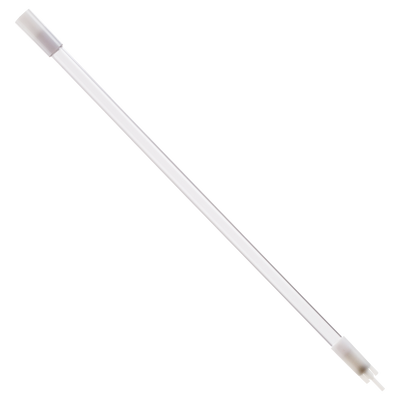
Login

Forgot your password?

Don't have an account yet?
Create account