
Beginner's Brewing Guide
Making Beer is a Lifelong Craft.
An incredible balance of art and science. Four ingredients, three stages, and a hundred decisions inside them — mash temperature, yeast strain, when the hops go in. Every one of them changes what ends up in the glass. Here's how it works, and how to brew your first batch.
Brewing since 1995
·
Real brewers on the phone
·
★ 4.8 average kit rating

The Fundamentals
Every batch moves through the same three stages.
Whether it's your first extract kit or a commercial 30-barrel system, brewing always follows the same path. Learn these three stages and you understand brewing.

01
Brewday
You make the sugar water — "wort" — for the yeast to feast on. This is where most of the flavor is built, from your malts and your hops.
3–6 hrs
02
Fermenting
Yeast eats the sugars in the wort and produces alcohol and CO₂. Strain and temperature shape the finished aroma and flavor.
7–14 days
03
Packaging
Carbonate and move the beer into its bottle, can, or keg — either force-carbonated or naturally conditioned with a little sugar.
Final Step
Stage 01
Brewday: Making the Wort.
Extract vs. All-Grain: Extract lets you learn the fundamentals using malt sugars that have already been pulled from the grain. With all-grain brewing, you start with the milled grain itself, mix it with hot water (mashing), and convert it into sugar, giving you ultimate command over flavor.
Mashing & Sparging All-Grain
Combine milled grain and hot water (145–158°F) to activate enzymes. Then, separate the sweet wort from the spent grain (lautering) and rinse the grain bed (sparging) to get every last drop of sugar.
Boiling & Chilling Extract & All-Grain
Boil your wort for 60 minutes, adding hops early for bitterness and late for aroma. Finally, rapidly chill the wort to 62–68°F using a heat exchanger to prep it for the yeast.
Stage 02
Fermenting: Wort Becomes Beer.
"Brewers make wort, yeast makes beer." Fermentation is where the sugars become alcohol and CO₂. The single most important rule here is sanitation. You want your yeast doing the work, not wild bacteria.
Ales vs. Lagers
Ales ferment warmer (60–75°F) for a fruitier, ester-forward profile. Lagers ferment cooler (50–54°F) for a cleaner, crisp flavor. Holding steady temperatures is how you make truly great beer.
Go deeper: Read our complete guide, Wort, Yeast & Fermentation.


Stage 03
Packaging: Ready to Pour.
Once fermentation finishes, the beer is ready to package. Minimizing oxygen exposure here is critical to protecting your hard-earned flavor. Most brewers first drop the temperature to clear the beer (cold crashing).
Carbonation Methods
Force Carbonation: Add CO₂ directly from a tank into a keg. Once it hits the right level, it's ready to drink or can.
Bottle Conditioning: Add a small amount of sugar back to the finished beer so residual yeast produces CO₂ naturally in the bottle over two weeks.
1995
We've been doing this longer than most homebrewing brands have existed.
MoreBeer! started in a Bay Area garage and has been helping people make great beer at home ever since. We're not a dropshipper — we brew, we test, and we answer the phone. Whether it's your first batch or batch number five hundred, there's a real brewer on the other end at 1-800-600-0033.
~30 yrs
helping people brew
★ 4.8
average kit rating
500+
how-to articles
Ready to brew?
Pick your starting point.
Three ways in, depending on how fast you want to go and how hands-on you want to be. Already brewing? Skip ahead to the gear.
Best for beginners

Flash Brewing
The fastest way in — a 10-minute brew day, no boiling, no kettle. Real craft beer with the lowest possible barrier.
- 10-minute brew day, no boil
- Everything in one box
- Pick a size and a recipe
From $79.99
Explore Flash Brewing →
Wirecutter Pick

Deluxe Kit
The traditional method — boil, brew, ferment. More hands-on, more control, more ritual. Wirecutter's top pick for beginners.
- The full boil, start to finish
- Extract or all-grain ready
- Fermonster fermenter included
$159.99
Shop the Deluxe Kit →
Go all-in

Premium Kit
Full stainless setup with a wort chiller, plus access to the official Pliny the Elder recipe. For the first-timer who doesn't want to upgrade later.
- Stainless steel + wort chiller
- Pliny the Elder recipe access
- Built to grow with you
$269.99
Shop the Premium Kit →
Not sure? Most first-timers start with Flash for speed or the Deluxe Kit for the full experience. You can always add gear as you go.
"This is the best kit for beginners."
— The New York Times' Wirecutter, on our Deluxe Home Brewing KitIt includes more of the most important tools than other kits, and MoreBeer provides very good support... this kit gives you a great chance at success.
First batch to batch five hundred
Brewers who started with us.
★★★★★
"I'm brand new at brewing and used the online chat and 800 number for advice. The staff were all experienced brewers and guided me right through it. Honestly, it was like having my own mentor on the phone."
First-time brewer · Premium Kit
★★★★★
"I'd never brewed before, so I didn't want to start and find out I was missing something. This has everything you need. The process seems pretty simple actually — not at all as complicated as I thought."
First batch · Home Brewing Kit
★★★★★
"Did lots of research and decided to start with this one. Very glad I did. The equipment is nice quality and provides plenty of things I'll keep using as I progress in skill."
Researched, then committed · Deluxe Kit
From Real Brewers
Every one of these started exactly where you are.
Kitchens, garages, back patios — kettles on the stove, carboys on the counter, and the same three stages you just read about. Tap a photo for the full-size view.


Four Weeks Later
This is what you'll be holding.
Brew day is a few hours. Fermentation takes one to two weeks at a steady temperature. Then it's carbonated, bottled, and ready to pour.
Start your first batchAlready brewing?
Get the gear.
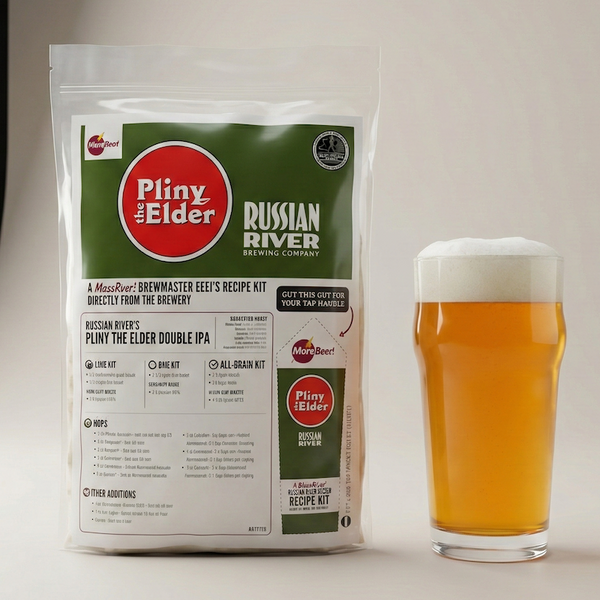
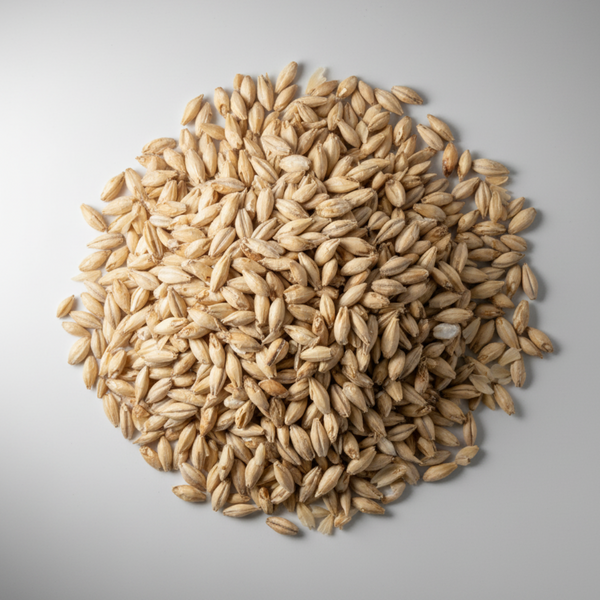
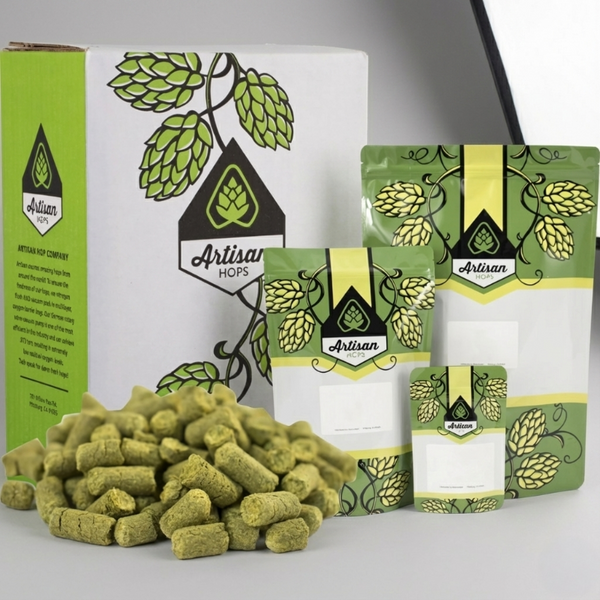
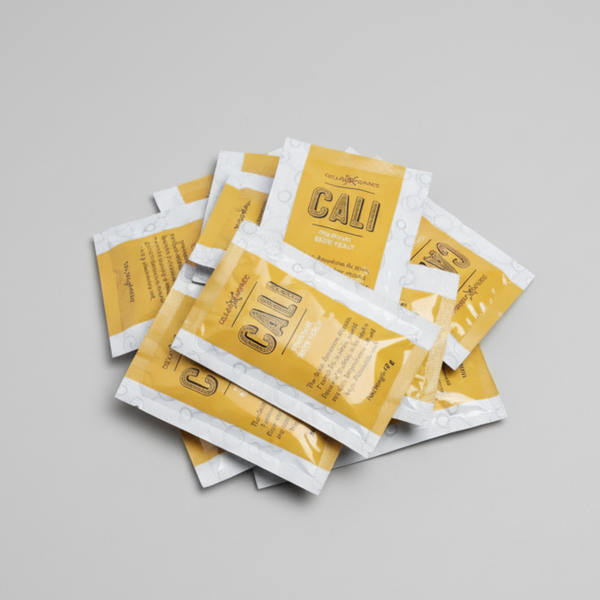
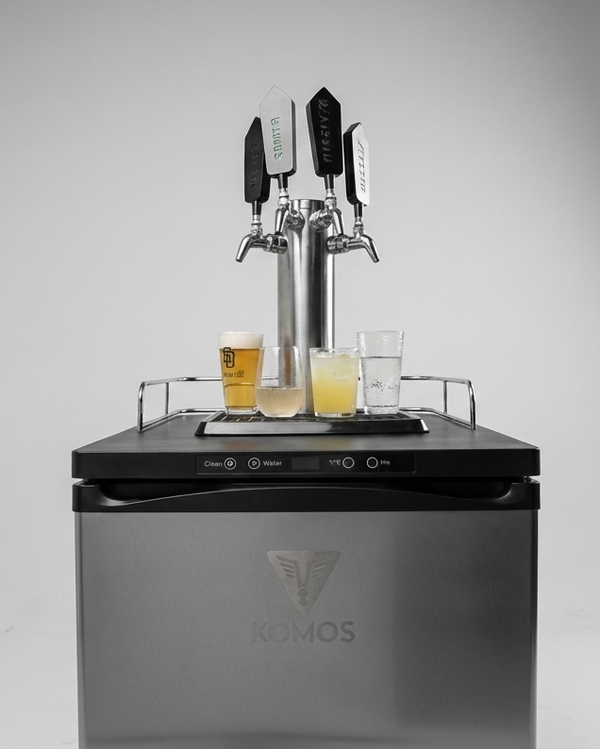
Ingredients and components for every batch — from recipe kits to grains, hops, yeast, and draft systems.

Master the Craft
Want the complete walkthrough? Watch our step-by-step brew day, in under 30 minutes.
That's one video. We've also got hundreds more, 500+ in-depth articles, and free brewing calculators to help you dial in every batch.
Before You Start
The questions every new brewer asks.
Call us at 1-800-600-0033 and talk to an actual brewer if yours isn't here.
Extract or all-grain — where should I start?
Most first-timers start with extract — you learn fermentation and packaging without managing a mash. (Flash Brewing goes a step further and skips the boil entirely.) All-grain gives you full control over the recipe and is a natural next step once the process feels familiar.
How long until I can drink my first batch?
A traditional batch is a 3–6 hour brew day, 1–2 weeks fermenting, then about a week of conditioning — roughly a month to your first pour. Flash Brewing shortens brew day to about 10 minutes. Either way, most of the wait is hands-off.
Bottles or kegs?
Bottling costs less to start and needs almost no extra gear — great for your first batches. Kegging costs more up front but saves hours on bottling day and lets you force-carbonate in about a day instead of waiting two weeks. Plenty of brewers start with bottles and add a kegging setup later.
How easy is it to ruin a batch?
The number-one rule is sanitation — clean, sanitized gear keeps wild bacteria out so your yeast does the work. Follow the instructions and it rarely goes wrong. If something seems off, call us; we've talked people through every scenario since 1995.
How much beer does one batch make?
A standard 5-gallon batch makes about 48–50 twelve-ounce bottles — roughly two cases. Smaller 2-gallon setups make about 20, or one case.
Not Ready to Brew Yet?
Get $20 Off Your First $100 Order.
Join our list and we'll send you $20 off your first order of $100 or more on beer recipe kits and brewing ingredients. Plus brewing tips and new recipe drops — no pressure, just good beer knowledge in your inbox.
No spam. Unsubscribe anytime. $100 minimum on recipe kits & ingredients.
Ready when you are
Your first batch
starts this weekend.
Learn the craft at your own pace. Then pick a kit and brew something you made yourself.