Detecting your location...
$150 OFF your KOMOS build Orders $1,200+ · Code KOMOS150 · Ends in 14 days
Shop the Event
Winemaking Category Header
Premium Winemaking Supplies

Craft Award-Winning Wine at Home

Everything you need to press, ferment, and bottle your own perfect vintage. From professional-grade tanks to guaranteed recipe kits, we make home winemaking easy and delicious.

  • Premium Equipment: Top-tier Speidel bladder presses and Enoitalia crushers built to last.
  • 100+ Recipe Kits: Brew high-quality, delicious wine easily at any time of the year.
  • Dozens of Yeasts: Dial in your exact flavor, aroma, and body profiles with precision.
  • Expert Guidance: Access our free guides to master red and white winemaking techniques.
1

Prep & Crush

Select your fresh juice, grapes, or one of our 100+ premium recipe kits to get started.

2

Ferment

Pitch the perfect specialized yeast to build your ideal flavor, aroma, and body profile.

3

Bottle & Enjoy

Follow our expert guides to age your wine to perfection, then pop the cork and share.

Shop by collection
997 products

  • Chromatography Standard - Tartaric - 1 fl oz

    Chromatography Standard - Tartaric (1 oz)

    Chromatography Standard - Tartaric (1 oz)

    $2.79

  • Portable Turbidity and Bentonite Check Meter Portable Turbidity and Bentonite Check Meter

    Hanna Portable Turbidity and Bentonite Check Meter (Hanna# HI83749-01)

    The HI83749 Portable Turbidity and Bentonite Check Meter ensures protein stability before bottling for great quality wine. The HI83749 measures turbidity of samples from 0.00 to 1200 NTU (Nephelometric Turbidity Units) and is USEPA compliant. Log and transfer up to 200 measurements. GLP (Good Laboratory Practice) feature for traceability of the calibration conditions. Great for small & medium wineries and advanced hobbyists. The HI83749 Portable Turbidity and Bentocheck Meter is specially designed for measurement of turbidity in wine. The instrument is based on a state-of-the-art optical system which guarantees accurate results, assures long term stability, and minimizes stray light and color interferences. It also compensates for variations in intensity of the lamp, although proper calibration ensures measurements are fully validated, comparable, and in compliance with regulatory requirements. The 25 mm round cuvettes composed of special optical glass guarantee the repeatability of turbidity measurements.   Features at-a-glance   AMCO AEPA-1 Primary Turbidity Standard - The AMCO AEPA-1 supplied standards are recognized as a primary standard by the USEPA. These non-toxic standards are made of styrene divinylbenzene polymer spheres that are uniform in size and density. The standards are reusable and stable with a long shelf life.   Calibration – A two, three, or four-point turbidity calibration can be performed by using the supplied (<0.1, 10, 100, and 500 NTU) standards. Calibration points can be modified if user-prepared standards are used.   Fast Tracker™ - For users taking measurements throughout the winemaking process, the HI83749 is equipped with Fast Tracker™ - Tag Identi˜fication System (T.I.S.) that makes data collecting and management simpler than ever. Fast Tracker™ allows winemakers to record the time and location of a speci˜fic measurement or series of measurements using iButton™ tags on specific tanks for quick and easy readings. Each iButton® tag contains a computer chip with a unique identi˜cation code encased in stainless steel.   GLP Data – The HI83749 features complete GLP (Good Laboratory Practice) functions that allow traceability of the calibration conditions. Data includes calibration points, date, and time.   Data Logging – Up to 200 measurements can be stored in the internal memory and recalled at any time.   Data Transfer – For further storage or analysis options, logged data can be downloaded to a Windows compatible PC using the RS232 or USB port and the HI92000 software.   Backlit Display – A backlit LCD display provides an easy to understand, user-friendly interface. Displayed codes guide the user step-by-step through routine operation and calibration.   Significance of Use Unrefined wine is quite turbid and hazy from suspended solids produced during fermentation. The unrefined wine is treated with fining agents to reduce cloudiness. This cloudiness is what winemakers refer to as protein haze, or haze for short. Thaumatin-like proteins (TLPs) and chitinases are the primary grape proteins responsible for haze formation. These positively charged proteins degenerate and stick together, resulting in undesirable flocculent clouds and visible haziness.   The prevention of protein haze or deposit in bottled white wines is a universal concern and often a wine needs to be stabilized before bottling. One commonly used stabilization agent is bentonite. Bentonite is a volcanic clay earth type fining agent (like kaolin) that acts as a wine stabilizer. It improves the clarity of wine but has also negative aspects because of the volume of lees formed, reduction of tannin and color. Since there are different types and qualities of bentonite with different capacity of protein removal, it is important to make laboratory trials with the same lot and wetting degree of the bentonite as that will be used in the cellar.   Protein stabilization is normally not a problem in bottled red wines because of the relatively high concentration of phenols that binds and precipitates with the unstable proteins before bottling. Often bentonite is added to red wines at a level of about 12 g/hL (1 lb/1000 gal), reducing colloidal suspended particles thus improving membrane filterability.   Wines with low phenols contents, such as rose, light reds and whites should be checked for protein stability before bottling. Hanna offers a rapid test to verify the risk of future protein haze formation. If protein instability is detected, a next test can help defining the right amount of bentonite to be added for improving protein stability. It is important not to overdose bentonite, avoiding stripping wine flavour, body, and significant loss of color, especially in young red wines. Moreover, adding only the necessary amount of bentonite to obtain the desired protein stability results in a reduction of costs.   Winemakers can determine the initial turbidity of the unrefined wine with the HI83749 turbidity measurement instrument. After taking a turbidity reading the pre-made HI83749-20 Bentocheck Solution is added to the wine sample. A second turbidity measurement is taken. If the second turbidity reading is less than the initial turbidity reading plus 2 NTU, the wine can be considered stable. Otherwise a fining trial can be performed to determine the amount of bentonite that must be added to stabilize the wine. Principal of Operation To measure turbidity the HI83749 passes a light beam through the sample that is scattered in all directions. The intensity and pattern of the scattered light is affected by many variables, such as wavelength of the incident light, particle size and shape, refractive index, and color. The optical system of the HI83749 includes a tungsten fi˜lament lamp, a scattered light detector (90°) and a transmitted light detector (180°).   The HI83749 features a powerful microprocessor that calculates the NTU value from the signals that reach the two detectors. An effective algorithm is used to correct and compensate for any color interferences. The optical system and measuring technique also compensate for fluctuations in lamp intensity, minimizing the need for frequent calibration. The HI83749-11 AMCO AEPA-1 standards ensure that measurements are traceable to primary reference materials. These standards are used for calibration and performance verification of the turbidity meter.   Supplied with Certificate of Analysis • Lot number • Expiration date • Standard value @ 25 °C • Reference meter NIST traceable   Provided storage containers • Light tight • Protects from accidental breakage   Can log and transfer up to 200 measurements and is equipped with Fast Tracker Tag Identification System (TIS) that makes data collecting and management simple by recording time and location with the touch of a button, a two, three, or four- point turbidity calibration can be performed using the supplied standards, features a backlit LCD display with a user-friendly interface which has user step by step help through routine use and calibration    

    $1,482.00

  • Calibration Standard for MT694 - 120mL (Hanna# HI 84502-55)

    Hanna Calibration Standard for MT694 - 120mL (Hanna# HI 84502-55)

    The HI84502-55 is a 120 mL bottle of pump calibration standard that is used to calibrate the dosing system of the HI84502 TItratable Acidity Mini Titrator for Wine Analysis. With 4 mL of solution required per pump calibration, there is enough standard to perform approximately 30 pump calibrations. A calibrated dosing pump allows for the accurate determination of the amount of titrant used when performing a titration. The amount of volume dosed along with the concentration of the titrant is used by the pre-programmed formula within the HI84502 in determining the exact titratable acidity. The pump calibration procedure should be performed anytime the titrant or pH electrode is replaced. Routine calibration is recommended to ensure the highest of accuracy when performing a titration. Pre-measured solution Clearly marked expiration date and lot number Air tight bottle with tamper-proof seal to ensure quality Analysis of titratable acidity in wine, as performed on the HI84502 mini titrator, utilizes a simple sample preparation, a high-quality titrant dosing pump, potentiometric endpoint detector, and automatic computations. As the titrant comes pre-standardized, it is important to determine the amount of titrant delivered by the dosing pump by performing a pump calibration procedure. In this procedure, the analysis of a known volume of a known solution is titrated with to the pH 8.2 endpoint determined by the HI1048B pH electrode. The same pump calibration solution is used for both the low and high ranges. The pump calibration procedure should be performed anytime the titrant, syringe, tubing or pH electrode is replaced. It is recommended to do a pump calibration every time a new set of titrations are to be performed.   Replacement reagents required to operate the HI84502 include:   Low Range - 0.1 to 5.0 g/L of tartaric acid High Range - 4.0 to 25.0 g/L of tartaric acid Pump calibration standard HI84502-55 Titrant solution HI84502-50 Used to calibrate the dosing system of the HI84502 TA Mini Titrator for Wine Analysis with one bottle allowing for appx 30 (4mL) pump calibrations Clearly marked expiration date and lot number, Air tight bottle with tamper-proof seal to ensure quality.  

    $49.99

  • Tapered Cork #36

    Tapered Cork #36

    Top quality cork has been the traditional closure of choice for wine bottles for centuries. Give your wine that traditional finishing touch.   Cork is natural, flexible, and compressible. Once it is securely in the bottle it has reliable anti-slip properties. This Size 36 Tapered Cork is made from ""XX"" quality natural cork. It is biodegradable and recyclable. A long time favorite for the long-term aging of wine.   Top diameter: 2-5/8 in, Length: 1-1/2 in, bottom diameter: 2-11/32 in. Made in Portugal.  

    $3.79

  • Low stock! Corks - 1 3/4" Grade 3-Plus (1000ct)

    Corks - 1 3/4" Grade 3 Plus (1000ct)

    2 reviews

    Superior cork quality without Grade 1 or 2 pricing! These corks are identical to our standard Grade 3 cork product (W431), except that they have been sorted to a higher standard (US sorting). Our standard Grade 3 corks are assembled through what is called an "AC" sorting, the standard sorting and grading procedure for our cork supplier. To generate a "US" sorting, a standard lot of AC-sorted Grade 3 corks is re-sorted to remove the lowest quality 12% of the lot. As a result, this bag of corks is of generally higher quality and has less variation between the highest and lowest quality cork in the package. This package represents a higher level of quality without the huge jump in price that you would have to pay to move to Grade 2 or Grade 1 corks.

    $599.99

  • MEP - P12 Pneumatic Corker - Replacement Part - Spring (Pos. 58) MEP - P12 Pneumatic Corker - Replacement Part - Spring (Pos. 58)

    $10.99

  • Low stock! ZEUS Special 75 - Professional Manual Corker (Small to Large Format) - Vacuum Device with Adapter for Still Wine Bottles Farro 3L

    ZEUS Special 75 Corker | Vacuum Device w/ Adapter for Farro Glass 3L Still Wine Bottles

    An optional vacuum device for the Zeus Large Format Bottle Corker. This model has an adpater designed to work with Farro brand 3L Glass Wine Bottles. The bottle interface was specifically machined for the Farro 3L bottle so that the o-ring makes an airtight seal during the corking process. Creating a vacuum in the bottle prior to corking removes oxygen but also reduces pressure in the headspace which can potentially cause corking issues. This vacuum adapter requires the connection of an air compressor to create the vacuum. See here for the vacuum device with adapter for 5L still wine bottles and Champagne bottles.

    $307.99

  • XpressFill Wine Bottle Volume Filler (Adj Shelf) - 2 Spout

    XpressFill XF260 | Volume Filler | 2 Spout

    Eliminate oxidation in your bottling process with the XF260 volume-based filling system Wine is pulled from your barrel or storage tank by the built-in self-priming pump Filling volume is programmed and stops automatically with an accuracy within +/- 1.5mL Optional gas flush system Made to order in the United States Help eliminate oxidation in your bottling process by using XpressFill volume-based filling system! Gravity-based systems usually involve wine being transferred to a holding tank, and unless your bottles and holding tank are pre-flushed with inert gas, some degree of oxidation is inevitable. XpresFill bottling systems have a closed pathway with a self-priming pump. They also have as an optional built-in sparging (pre-flushing) system that uses Nitrogen or Argon to pre-flush your bottles. To use, place two bottles under the filling spouts, push the gas button (optional at addtional cost) to flush the bottles with inert gas. Then hit the Fill button which pulls the wine from your barrel or stainless storage tank, distributes 750ml of wine to each bottle, and shuts off automatically when done. It is truly that simple. Each fill cycle lasts 20 seconds. Realistically with bottle movement (and talking and drinking!) expect to fill about 200 bottles per hour with the 2 spout and 400 bottles per hour with the 4 spout. There is also a manual mode allowing you to top up bottles or fill odd size bottles (connect tubing and fill magnums for example.) You my have seen this system for sale before as the Vigneron. XpressFill purchased Vigneron and redesigned the unit to be driven by a digital controller. The result is a unit that works much better. MoreWine! has tested the unit and we are happy with the performance. The XpressFill is a a volume based system that fills each bottle with a set volume of wine (usually 750ml per bottle.) The fill is accurate to within +/- 1.5ml. However, bottles themselves can vary in volume by a couple percent and when you are filling by volume this can result in different fill heights, especially if you fill into the bottle neck, where differences are exaggerated by the small diameter of the neck. Fill heights will therefore vary from bottle to bottle but differences are usually 1/2" or less. The two spout filler features a 3/8" inlet. Further protect your wine from oxidation when using an Xpress Fill by adding the Gas Flush option to your filler. Push the gas flush button for as long as you like prior to each fill cycle. Inert gas will be forced into the bottle displacing most air, greatly reducing oxidation during the bottling process. You will need to supply an Argon or Nitrogen tank, regulator, and section of 1/4 in. tubing to connect an inert gas source to the machine.  

    $2,395.00

  • Replacement Printer Ribbon for Label Applicator Machine (CAN310) Replacement Printer Ribbon for Label Applicator Machine (CAN310)

    Replacement Printer Ribbon for Label Applicator Machine

    This Thermal Printer Ribbon is a replacement for the ribbon supplied on the Semi-Automatic Label Applicator Machine. ID: 25mm OD: 63mm Ribbon Width: 30mm Ribbon Length: 100m KegLand Part Number: KL20336

    $5.49

  • Sealing Kit for Replacement Pump for Variable Volume Lid - Stainless Steel Sealing Kit for Replacement Pump for Variable Volume Lid - Stainless Steel

    Seal Kit for Speidel Variable Volume Lid Pump

    1 review

    Seal Kit for Speidel Variable Volume Lid Pump (WE397).

    $24.99

  • WineStix - Medium Toast French Oak Tank Stave WineStix - Medium Toast French Oak Tank Stave

    WineStix - Medium Toast French Oak Tank Stave

    WineStix are a new form of oak integration for wine, designed to give new barrel flavors with an extraction time similar to cubes. The combination of Short and Long grains result in amazing gradience of flavor similar to barrels, while extracting significantly quicker! These are Medium Plus toast French Oak Tank Staves from the Allier forest, and depending on the wine, will impart flavors of vanilla and coffee, while clearing out negative vegetal flavors and astringency from the wine. The French Oak Tank Staves are sized to provide New Barrel flavor to a 60 gallon lot of wine. Doing more than 60 gallons? Simply toss in another stave! Another advantage of the WineStix over traditional staves is that these will not stick together like flat staves would, the cross-hatch pattern will result in consistent extraction throughout the life of these. These can also be cut down if necessary to dose a smaller batch of wine.   4" W x 37" Long

    $61.99

  • Glass Tubing Set for Economy Aeration-Oxidation System (MT140)

    Glass Tubing Set for Economy Aeration System (MT140)

    This set of 3 glass tubes replaces those originally shipped with the MT140 Economy Aeration-Oxidation System. The tubes are not sold individually. Tubing Specifications OD - 6mm Wall Thickness - 1.5mm Length - 2x 16.5cm, 1x 7.5cm

    $19.99

  • ILTEC Ultrafiller 1 - Vacuum Bottle Filler - 1 Spout (110V) ILTEC Ultrafiller 1 - Vacuum Bottle Filler - 1 Spout (110V)

    ILTEC Ultrafiller 1 | Vacuum Bottle Filler | 1 Spout | 110V

    Due to high demand, this item is currently out of stock. Be the first to receive your items by placing a pre-order today. We will automatically ship this to you when we receive more inventory. Adjustable filling height with automatic stop Stainless steel base, frame, and filling nozzle Adjustable filling level and filling speed Vacuum gauge The Ultrafiller 1 is built entirely in stainless steel with PYREX tank, featuring high efficiency and precision stainless steel filling nozzle. This professional bottling machine is perfect for wine, uncarbonated beer or cider, spirits, and oils. When you place the bottle under the Ultrafiller 1, the fluid is sucked into the vacuum created inside it, without any contact between the liquid and the pumps or mechanical components. Why Choose ILTEC While the Enolmatic has served as a great economical option, the ILTEC offers a significant step up in overall quality and durability. The key differences speak for themselves: Stainless Steel Construction: Unlike the Enolmatic's plastic components, the ILTEC boasts a robust stainless steel construction, ensuring long-lasting performance and easy sanitation. Borosilicate Vacuum Chamber: The ILTEC utilizes a borosilicate vacuum chamber, a superior alternative to the plastic chamber found in the Enolmatic. Borosilicate glass is known for its exceptional resistance to thermal shock and chemical corrosion, guaranteeing a cleaner and more efficient filling process. The ILTEC filler isn't just about superior materials; it's about delivering consistent, precise, and professional results. Whether you're bottling wine, spirits, oils, or other liquids, the ILTEC provides the performance you demand. Specs: Capacity: 250-300 x 750mL bottles per hour* Bottle Neck Diameter: 16-34mm Bottle Height: 3.9" to 13.75" (100-350mm) Tank Alcohol Tolerance: 80% ABV Max Temperature: 176°F (80°C) Dimensions: 7.8" x 19" 16.5" (200 x 485 x 420mm) Weight: 24.5 lbs Power: 110V, 60hZ, 80W *Capacity may change depending on liquid and bottle size.

    $949.99

  • Low stock! Grifo - Italian Floor Corker w/ Removable Back Leg - Brass Jaws

    Grifo Wine Bottle Corker | Italian Floor Corker | Brass Jaws | Removable Back Leg

    Professional-Grade Sealing: Robust design ensure consistent, secure corking of standard wine corks, ideal for home winemakers Versatile Bottle Compatibility: Accommodates a wide range of bottle sizes, from 9.44" to 15.35" in height and up to 4.72" in diameter, providing flexibility for various wine bottles Stable and Easy to Use: The floor-standing design provides exceptional stability, simplifying the corking process and ensuring a perfect seal every time Effortlessly seal your wine bottles with the Grifo Wine Bottle Floor Corker. This robust corker floor corker with brass jaws provides professional-grade sealing for standard corks, accommodating a wide range of bottle sizes. Designed for stability and ease of use, it ensures a perfect, secure cork every time. Ideal for home winemakers and small-scale producers. Specs: Bottle Max. Diameter: 4.72" (120mm) Bottle Min. Height: 9.44" (240mm) Bottle Max. Height: 15.35" (390mm) Suitable for Standard Corks Max. Diameter: 1.18" (30mm) Max. Height: 1.57" (40mm) Brass Jaws Dimensions: 25.6" x 17.7" x 35.4" Weight: 20.9 lbs

    $186.99

  • Ferrari - Italian Floor Corker w/ Removable Legs

    Ferrari Wine Bottle Corker | Italian Floor Corker | Acetal Jaws | Removable Legs

    Efficient and Easy Corking: Significantly faster and easier to use than handheld or bench-mounted corkers. Compact Storage: Removable legs and lever allow for easy disassembly and storage. Versatile Cork Compatibility: Works with both natural and synthetic corks, including Belgian corks. Acetal resin jaws ensure smooth operation. Adjustable Cork Height: Customize the cork depth with the adjustable nut on the plunger. This Italian-made floor corker offers efficient and easy corking. It features removable legs and a lever for convenient storage, making it significantly faster and easier to use than handheld or bench-mounted models. The unit ships boxed and requires minimal assembly. The adjustable nut on the plunger allows for customization of the cork height within the bottle. Updated in 2023, the corker now features acetal resin jaws (replacing previous brass jaws) and is compatible with both synthetic and natural corks, including Belgian corks. Also available in a welded model that offers added stability (W544). Min. Bottle Height: 9" (230mm) Max. Bottle Height: 15.3" (390mm) Max. Bottle Diameter: 5.5" (140mm) Max. Cork Diameter: 28mm Max. Cork Height: 40mm Assembled Dimensions: 28.9" L x 17.7" W x 35.8" H Made by Ferrari in Italy

    $262.99

  • Enolmatic Inline Filter Housing

    Inline Filter Housing | Enolmatic | Enolmaster

    3 reviews

    Use in conjunction with an Enolmatic or Enolmaster filler to filter wine inline as you are bottling. Saves time by eliminating a separate step and allows you to filter without using a pump or exposing your wine to oxygen. This filter unit is placed inline between the product and the filler itself. Filters are available in 5, 1 and .5 micron ratings. The filter cartridges used with this housing can be cleaned and re-sanitized for future useage. Wash by running PBW (CL25) followed by a hot then a cold rinse. Re-sanitize immediately after washing and then again just prior to the next use with SaniClean (CL27).

    $186.99

  • Vinyl Air Tube - 65 cm Diameter

    Vinyl Air Tube for Marchisio Variable Volume Tanks | 65 cm Diameter

    Replacement air tubes for variable capacity tanks. 65 cm tube fits Marchisio 300-400 Liter tanks, and the wide format 200L tank.   Please note: These tubes are only compatible with Marchisio brand tanks. They will not work with Speidel or other brands of variable volume tanks.

    $49.99

  • Low stock! Medusa MultiHead Counter Pressure Bottle Filler G2 Medusa MultiHead Counter Pressure Bottle Filler G2

    MB® Medusa™ MultiHead Counter Pressure Bottle Filler | Gen 2

    4 reviews

    Premium Counter-Pressure Bottle filler that is designed for the smaller craft brewer or dedicated homebrewer to help make bottling day faster and more efficient The four separate filling heads have individual Stainless Steel 3-way control valves that allow for quick fill rates Only requires one person to operate A single PRV provides equal backpressure on all heads resulting in matching flow rates without adjustment Individual purge valves on each fill head allow for nearly all oxygen removal in a bottle, ensuring that the beer stays fresh for longer The removable drip tray is fully draining with a barbed outlet for constant filling and easy cleaning A purge valve on the reservoir helps make sure that foam never builds up 304 Stainless Steel Construction and easy-to-use functionality, all resulting in a top-of-the-line bottle filler Introducing the newly redesigned and updated G2 Medusa Multihead Counter Pressure Bottle Filler!  This unique unit was designed in-house by the MB Pro Engineering team and purpose built for the smaller craft brewer or dedicated homebrewer.  The Medusa will speed up bottling day while also reducing exposure to oxygen during the bottling process, resulting in higher quality beer with a longer shelf life.   The Medusa Multihead Counter Pressure Bottle Filler can be adjusted to cater all bottling needs.  All four heads can be operated individually, and the height, back pressure, and fill speeds can be adjusted for various bottle styles.  We've done our best to pack this unit with features that will handle all jobs, while keeping costs as low as possible.  Features: 3-way stainless steel valves on both inlet & back pressure sides of all fill heads. Improved Pressure Relief Valve has higher accuracy over fill rates, and directs foam into the drip tray rather than onto your bottles. Robust stainless steel frame stands on its own or can be easily bolted or clamped to a work surface Stainless steel fill reservoir keeps fill rates equal & reduces foaming Inverted fill tubes & reservoir purge means cleaner filling with even less possibility for foam. Dual TC Fill reservoir is easier to clean & allows for upgrades down the road (as they become available). Easily adaptable to fill from nearly any pressurized vessel. Height is adjustable from shorty bottles to growlers.  Easy disassembly for cleaning, storage & maintenance,  Sanitary 1.5" TC inlet for beer (Clamp and Gasket sold separately)  3/8" tube connection for CO2. Backpressure Bar allows for a single adjustment point for fill rates. No more adjusting PRVs on each fill head. Minimum Bottle Height: 6.9" Maximum Bottle Height: 16.5" Maximum Working Pressure: 15 PSI Dimensions:  Footprint: 26-3/8" L x 8" W Drip Tray: 23-1/2" L x 5-1/2" W Overall Height: 25-3/8"   Please Note: Filler valves include a Teflon gasket. Do not soak the valves in PBW which can corrode Teflon material after prolonged contact.

    $2,399.99

  • Vintners Best - Blood Orange Fruit Wine Base - 1 Gallon

    Vintner's Best® | Blood Orange Fruit Wine Base | 1 Gallon

    Commercial Quality Base: Crafted from real fruit juice using the same formulations as commercial wineries. Easy 5-Gallon Batches: One gallon of base yields five gallons of high-quality 10% ABV fruit wine. No Adjustments Needed: Extremely convenient; no pH or acid adjustments required. Simple & Convenient: Just add water and yeast to ferment. All natural and made with real fruit juice, Vintner’s Best® fruit wine bases are crafted from the same formulations used by commercial wineries. One gallon of fruit wine base makes five gallons of high-quality fruit wine at 10% ABV. Extremely easy and convenient to make, requiring no pH adjustments and no acid adjustments. Simply dilute one gallon of Vintner's Best® Fruit Wine Base with four gallons of water, pitch yeast and stir! The wine base is a blend of juice concentrates, HFCS, citric and malic acids and natural flavor designed to make a fermentable base for a fruit wine blend at 18.9°B. The product is blended, pasteurized. Diammonium phosphate is added as a yeast nutrient. Benefits of Vintner’s Best® Fruit Bases: All-natural fruit juice 6-8 weeks to finished product No PH or acid adjustments Shelf stable for up to two years No refrigeration necessary Scalable to any batch size Pre-blended - no straining out fruit pieces Easy and convenient More inclusive – add only yeast and water Re-sealable jug with tamper resistant seal Over 30 flavors to choose from Concentrate Specs: °Brix: 73.1 min Acidity: 2.2–2.8 (as citric acid) Ingredients: Natural Blood Orange Flavors, Diammonium Phosphate, Water, Vegetable Extract & Beta Carotene (Colors)

    $48.99

  • Enartis - Ferm SB - Dry Wine Yeast - PLACEHOLDER

    Enartis Ferm SB | Dry Champagne Yeast | Up to 15% | Neutral | Fast Fermenter

    EnartisFerm SB offers the perfect balance of reliability and neutrality—making it an indispensable tool for winemakers who demand consistent results and varietal integrity across diverse wine styles. Reliable, neutral yeast for sparkling and still wine production Ferments effectively at low temperatures EnartisFerm SB is a robust, neutral Saccharomyces cerevisiae bayanus yeast strain selected for its strong fermentation kinetics, high alcohol tolerance, and clean sensory profile. Comparable to Champagne-style strains like EC1118, EnartisFerm SB is ideal for sparkling base wines, cool-fermented whites, rosés, and restarting stuck fermentations. Its low production of volatile acidity and off-odors makes it an excellent choice when purity and fermentation security are essential. With a short lag phase and the ability to ferment at low temperatures, EnartisFerm SB offers winemakers dependable performance across a wide range of wine styles. Key Features: Neutral aromatic profile that preserves varietal character and terroir Short lag phase and fast fermentation kinetics Ferments effectively at low temperatures (10–30°C / 50–86°F) High alcohol tolerance (up to 15% v/v) Low production of VA and H₂S with proper nutrition Excellent choice for base wines, dry whites, rosés, and fermentation restarts Recommended Applications: Traditional and tank method sparkling wines White and rosé varietals where neutrality and freshness are desired Restarting sluggish or stuck fermentations Late-harvest or fortified wines requiring high ethanol tolerance Dosage: Standard fermentations: 20–30 g/hL Stuck fermentations or high Brix: 30–40 g/hL Rehydration: Hydrate in 10x its weight of clean water at 35–40°C for 20 minutes. Add to must gradually while mixing to avoid temperature shock.  

    $44.99 - $587.99

  • Enartis - Effergran Dose 5 - Sulfiting Agent - Box of 25 Enartis - Effergran Dose 5 - Sulfiting Agent - Box of 25

    Enartis Effergran Dose 5 | Sulfite | 5 G active SO2 sachets | Box of 25

    Effervescent SO2 sachet containing 5 grams of SO2 Dissolves in your wine without the need to stir. Clean, fast, and efficient—it’s SO₂ made simple Effergran Dose 5 is an effervescent, single-dose sachet of potassium metabisulfite, designed to deliver 5 grams of active SO₂ with maximum ease and precision. Ideal for use in barrels, topping tanks, and small-lot fermentations, Effergran Dose 5 ensures fast, uniform protection against oxidation and microbial spoilage—without stirring or pump-over. Each sachet contains finely granulated, effervescent KMS that rapidly dissolves and disperses on contact, saving time and labor while minimizing operator exposure to dust and sulfur fumes. Whether you're sulfiting after racking or protecting wines in storage, Effergran Dose 5 offers a clean, reliable solution with consistent dosing. Key Benefits: Delivers 5 g of active SO₂ per sachet for accurate, no-measure additions Effervescent action ensures fast, uniform distribution without agitation Dissolves quickly in must, juice, or wine—even in low-volume vessels Packaged in sealed, single-use sachets for maximum convenience and shelf life Low odor and reduced dust exposure for safer, cleaner cellar work Suitable for organic, vegan, and low-intervention winemaking protocols Recommended Use: Most commonly used in wineries where one sachet added directly to a  225L/60 gal barrel adds 22 ppm of sulpur.  No stirring or pre-dissolving required. For best results, allow full dissolution before topping or racking. A Formula for your volume is listed below. Note this is in Miligrams... 5000mg (5g) of Effergran in a sachet.  Total Milgrams Added (5000) / Total Liters of Wine (x) = PPM.  For example 5000/225 = 22 PPM      

    $32.99

  • Low stock! Dry Malolactic Wine Bacteria - O-MEGA - 25 hL (660 gal) Dose

    Lallemand | O-MEGA™ | Dry Malolactic Bacteria | 25 hL / 660 Gallon Dose

    Strong fermenter for balance, freshness, and fruit expression O-MEGA™ is the most robust strain in the Scott Laboratories’ portfolio, well suited to conducting malolactic fermentation in high alcohol, low temperature, or low pH situations. Contributes to freshness and mineral/citrus notes in white wines In red wines, notes of red and dark berries like redcurrant, strawberry, blackcurrant, and blackberry are increased (not recommended for wines with herbaceous or vegetative notes, as these can be amplified) May help stabilize color due to its slow degradation of acetaldehyde Has a late degradation of citric acid resulting in very low diacetyl and VA levels, and is tolerant to levels of lactic acid that can be inhibitory to other ML strains Oenococcus oeni isolated in the south of France by the Institut du Français de la Vigne et du Vin (IFV) in Burgundy   Alcohol Tolerance: <16% pH: >3.1 Total SO2: <60ppm Temp: >57°F Frequently used in: overripe, full-bodied red and white wines, cool-climate Pinot noir and Syrah, rosés, fruit wine   Usage: Add directly to wine and mix thoroughly. Storage: Dated expiration. For short term (<18 months) store at 4°C (39°F). For long term (>18 months) store at –18°C (0°F).

    $172.99

  • Low stock! Dry Wine Yeast - LALVIN NBC (500 g)

    Lalvin NBC™ | Dry Wine Yeast | 500 g

    NBC™ is the go-to choice for winemakers aiming to craft bright, aromatic white and rosé wines with exceptional clarity and mouthfeel Whether you're perfecting a crisp Sauvignon Blanc, crafting an elegant Chardonnay, or enhancing a vibrant rosé, NBC™ guarantees refined flavor, aromatic depth, and lasting freshness Maximize aromatic complexity and mouthfeel in white and Rosé wines Lalvin NBC™ is a premium wine yeast strain meticulously selected to enhance aromatic expression, mouthfeel, and fermentation reliability in white and rosé wines. Engineered to unlock bound aromatic compounds and promote polysaccharide synthesis, it brings forward vibrant notes of citrus, tropical fruits, and floral elegance. Ideal for winemakers aiming to craft wines with exceptional aromatic lift and a smooth, balanced finish. High Ester Production: Elevates expressions of passion fruit, citrus zest, and peach, enriching the aromatic bouquet. Thiolic Release: Effectively liberates bound thiols, enhancing tropical fruit and citrus aromatics. Enhanced Mouthfeel: Stimulates polysaccharide production, contributing to a rounder, fuller body. Alcohol Tolerance: Effective up to 14.5% ABV, ensuring complete and reliable fermentation. Temperature Range: Performs optimally between 57°F (14°C) and 68°F (20°C), preserving aromatic clarity and freshness. Low H₂S and SO₂ Production: Ensures clean fermentation, minimizing off-flavors and preserving fruit integrity. Applications: White Wines: Perfect for Sauvignon Blanc, Chardonnay, Riesling, and Pinot Grigio, enhancing bright fruit and floral notes. Rosé Wines: Adds layers of strawberry, raspberry, and citrus zest with a crisp, clean finish. Aromatic Blends: Ideal for Chenin Blanc, Gewürztraminer, and Viognier, boosting aromatic lift and mouthfeel. Sparkling Wines: Enhances elegance and aromatic expression in both Méthode Traditionnelle and Charmat Process sparkling wines. Flavor Profile: Tropical Fruits: Bold expressions of passion fruit, pineapple, and mango dominate the aroma. Citrus & Stone Fruits: Bright notes of lemon zest, grapefruit, and peach provide vibrancy and depth. Floral Aromatics: Hints of honeysuckle, jasmine, and orange blossom contribute to aromatic complexity. Silky Mouthfeel: Promotes glycerol production, resulting in a soft, well-structured palate. Usage: Rehydration: Rehydrate in 10 times its weight of chlorine-free water at 95°F (35°C) for 15–20 minutes. Stir gently to avoid clumping. Pitch Rate: Use 1–1.5 grams per gallon (0.25–0.4 grams per liter) for optimal fermentation and flavor development. Nutrient Addition: Supplement with yeast nutrient to prevent sluggish fermentation and optimize ester production. Fermentation Temperature: Maintain between 57°F and 68°F to enhance thiol release and prevent off-flavors. Oxygenation: A light oxygenation during early fermentation improves yeast vitality and ester synthesis.  

    $63.99

  • Dry Wine Yeast - IOC Be Thiols (500 g)

    IOC Be Thiols™ | Dry Wine Yeast | 500 g

    BE THIOLS is the ideal choice for winemakers aiming to craft highly aromatic, fruit-driven wines with exceptional tropical complexity Whether enhancing a crisp Sauvignon Blanc, perfecting a lively rosé, or adding depth to a white blend, this yeast strain delivers explosive aromatics and unmatched varietal expression Unleash vibrant tropical aromatics and enhance wine complexity BE THIOLS is a specialized Saccharomyces cerevisiae yeast strain developed to maximize the release of varietal thiols during fermentation, resulting in wines with pronounced tropical fruit aromas and a clean finish. This strain is particularly effective in white and rosé wines where aromatic intensity and freshness are desired. Enhanced Thiol Release: Promotes the liberation of varietal thiols, intensifying notes of passion fruit, guava, and grapefruit. Aromatic Precision: Elevates the varietal character with bold tropical and citrus expressions while maintaining balance and avoiding excessive herbaceousness. Clean Fermentation Profile: Exhibits low production of volatile acidity, hydrogen sulfide (H₂S), and sulfur dioxide (SO₂), preserving the wine's purity and freshness. Alcohol Tolerance: Capable of fermenting musts up to 15% ABV, ensuring complete fermentation across various wine styles. Optimal Fermentation Range: Performs best between 59°F (15°C) and 77°F (25°C), allowing for flexibility in fermentation strategies. Rapid Fermentation Kinetics: Initiates fermentation quickly with a short lag phase, contributing to efficient winemaking processes. Applications: Sauvignon Blanc: Enhances tropical fruit and citrus zest characteristics, ideal for styles emphasizing freshness and aromatic intensity. Rosé Wines: Amplifies berry and citrus aromatics, delivering vibrant and refreshing profiles. White Blends: Adds complexity to blends such as Chenin Blanc, Colombard, and Viognier, highlighting lifted fruit characters. Aromatic Whites: Suitable for varieties like Riesling and Gewürztraminer, boosting floral and tropical notes. Flavor Profile: Tropical Fruits: Dominant aromas of passion fruit, guava, and mango. Citrus Accents: Refreshing notes of grapefruit zest and lime contribute to brightness and acidity. Floral Undertones: Subtle hints of elderflower and orange blossom add complexity and lift. Clean Finish: Maintains varietal integrity with bright aromatics and a smooth mouthfeel. Usage: Rehydration: Rehydrate in 10 times its weight of chlorine-free water at 95°F (35°C) for 15–20 minutes, stirring gently to prevent clumping. Pitch Rate: Use 1–1.5 grams per gallon (0.25–0.4 grams per liter) for optimal thiol expression and flavor development. Nutrient Addition: Supplement with yeast nutrients to prevent sluggish fermentation and maximize thiol release. Fermentation Temperature: Maintain between 59°F and 77°F to enhance tropical esters and prevent off-flavors. Maximizing Thiol Potential: Utilize thiol-rich grape varieties and consider prefermentative skin contact to further enhance aromatic lift.    

    $62.99

  • Dry Wine Yeast - ENOFERM CSM (500 g)

    Lallemand ENOFERM CSM™ | Dry Wine Yeast | 500 g

    CSM is the choice for winemakers seeking to craft powerful, full-bodied wines with rich fruit expression and a smooth, structured mouthfeel Whether you’re perfecting a bold Cabernet Sauvignon, crafting a structured Malbec, or enhancing a rich Viognier, CSM brings out the best in your must with reliability and finesse Unlock rich, complex aromatics and deep structure in every pour CSM is a versatile Saccharomyces cerevisiae yeast strain designed to enhance the fruit intensity, mouthfeel, and aromatic complexity of full-bodied red wines and robust whites. Specially cultivated for its exceptional ability to promote polyphenol extraction and stabilize color, CSM is ideal for winemakers aiming to produce wines with bold structure, rich fruit character, and a smooth, rounded finish. Enhanced Polyphenol Extraction: Promotes deep color stability and intensified mouthfeel, particularly in red wines. Fruit-Driven Aromatics: Elevates notes of blackberry, plum, and dark cherry, creating a bold, fruit-forward profile. Structured Mouthfeel: Encourages polysaccharide production, adding body and smoothness to the palate. Alcohol Tolerance: Supports ABV levels up to 15.5%, enabling strong fermentation even in high-sugar musts. Temperature Range: Optimally ferments between 64°F (18°C) and 82°F (28°C), maximizing flavor extraction and tannin integration. Low H₂S and SO₂ Production: Minimizes sulfur-related off-flavors, ensuring a clean, pure wine expression. Applications: Bold Red Wines: Perfect for Cabernet Sauvignon, Merlot, Syrah, and Zinfandel, enhancing fruit concentration and tannic structure. Aged Reds: Ideal for Barolo, Bordeaux blends, and Malbec, where deep structure and long-term aging potential are desired. Rich White Wines: Works well with Chardonnay and Viognier, contributing to enhanced mouthfeel and aromatic depth. Fortified Wines: Excellent for Port-style wines, supporting strong alcohol tolerance and fruit preservation. Flavor Profile: Dark Fruits: Bold expressions of blackberry, plum, dark cherry, and blackcurrant. Spice & Earthiness: Subtle hints of black pepper, tobacco, and cedar, adding complexity and depth. Silky Tannins: Promotes smooth, integrated tannins for a well-rounded mouthfeel. Deep Color Stability: Encourages anthocyanin preservation for wines with vibrant, long-lasting color. Usage:  Rehydration: Rehydrate in 10 times its weight of chlorine-free water at 95°F (35°C) for 15–20 minutes. Stir gently to prevent clumping. Pitch Rate: Use 1–1.5 grams per gallon (0.25–0.4 grams per liter) for optimal fermentation and flavor development. Nutrient Addition: Supplement with yeast nutrient to enhance fermentation strength, particularly in high-Brix musts. Fermentation Temperature: Maintain between 64°F and 82°F to optimize tannin extraction and aromatic retention. Extended Maceration: Ideal for long maceration periods to extract deeper color and tannin complexity.    

    $68.99

  • Dry Wine Yeast - IOC Be Fruits (500 g)

    IOC Be Fruits™ | Dry Wine Yeast | 500 g

    Your go-to solution for crafting wines that are bursting with fresh, fruit-driven character Whether you're perfecting a crisp summer rosé or an aromatic white wine, this strain brings out the best in your ingredients, delivering consistency and clarity in every batch Unleash the full potential of fruit-forward wines BE FRUITS is meticulously engineered to enhance the vibrant, fruit-forward characteristics of your wines. Selected for its robust fermentation capabilities and exceptional ester production, this strain brings out the natural sweetness and aromatic complexity of grape musts. Ideal for winemakers seeking to craft wines with pronounced fruitiness, crisp acidity, and a clean, refined finish. High Ester Production: Enhances aromatic intensity with notes of ripe berries, tropical fruits, and stone fruits. Rapid Fermentation: Optimized for efficient, clean fermentation with minimal lag time. Alcohol Tolerance: Supports ABV levels up to 14%, perfect for a wide range of white and rosé wines. Temperature Range: Ferments effectively between 54°F (12°C) and 75°F (24°C) for controlled flavor development. Low H₂S and SO₂ Production: Ensures cleaner fermentation and reduces off-flavors. Enhanced Mouthfeel: Promotes glycerol production for a smooth, well-rounded body. Applications: White and Rosé Wines: Amplifies the natural fruit flavors in varietals such as Albariño and other aromatic whites. Ciders: An excellent choice for cider fermentations where clean, bright flavor expression is desired. Flavor Profile: Aromatic Esters: Produces vibrant aromas of red berries, stone fruits, and tropical fruits. Enhanced Fruit Expression: Accentuates the bright, juicy qualities of the fruit while maintaining a clean fermentation profile. Crisp Finish: Finishes clean with a slight hint of residual sweetness that complements natural fruit acidity. Usage: Rehydration: Rehydrate in 10 times its weight of water at 95°F (35°C) for 15–20 minutes. Pitch Rate: Use 1–1.5 grams per gallon (0.25–0.4 grams per liter) for optimal fermentation. Nutrient Addition: Supplement with yeast nutrient to ensure a robust and complete fermentation, particularly in low-nitrogen musts. Fermentation Temperature: Maintain a steady temperature between 54°F and 75°F for optimal flavor retention and ester production.  

    $67.99

  • Dry Wine Yeast - NT116 - PLACEHOLDER

    NT 116™ | Dry Wine Yeast

    NT116 is the ideal choice for winemakers aiming to craft vibrant, fruit-forward wines with balanced mouthfeel and expressive aromatics Whether perfecting a Cabernet Sauvignon, enhancing the brightness of Chardonnay, or crafting a crisp Rosé, NT116 delivers consistency, clarity, and exceptional flavor in every batch Vibrant aromatics and enhanced mouthfeel for premium red and white wines NT116 is a high-performance wine yeast strain selected for its ability to elevate fruit aromatics and enhance mouthfeel across a wide range of wine styles. This strain excels in extracting rich color and promoting structured tannin development in red wines while boosting fresh, vibrant fruit notes in white wines. Its steady, reliable fermentation process ensures clean, crisp flavors with excellent clarity. Enhanced Fruit Expression: Amplifies berry, cherry, and stone fruit notes in red wines, while delivering apple, citrus, and floral aromas in whites. Superior Mouthfeel: Promotes a smooth, rounded palate with well-integrated tannins. Alcohol Tolerance: Effective up to 15% ABV, allowing for full-bodied wine production. Temperature Range: Performs optimally between 59°F (15°C) and 86°F (30°C), providing flexibility for various winemaking conditions. Medium Flocculation: Supports good clarity and stable sedimentation post-fermentation. Low SO₂ Production: Minimizes sulfurous off-flavors, preserving fruit purity. Applications: Cabernet Sauvignon & Merlot: Enhances bold fruit expressions and supports structured tannins. Syrah & Zinfandel: Brings forward dark berry notes with rich complexity. Chardonnay & Sauvignon Blanc: Promotes vibrant apple and citrus aromatics with a clean finish. Rosé Wines: Elevates fresh berry flavors with a bright, crisp profile. Fruit Wines: Ideal for capturing pure, expressive fruit characteristics. Flavor Profile:  Red Wines: Highlights blackberry, cherry, and plum with a smooth, structured finish. White Wines: Enhances apple, citrus, and floral notes for a crisp, refreshing profile. Full Mouthfeel: Promotes enhanced body and smooth tannin integration. Bright Aromatics: Preserves varietal purity and fresh fruit character. Usage:  Rehydration: Rehydrate in 10 times its weight of chlorine-free water at 95°F (35°C) for 15–20 minutes. Stir gently to prevent clumping. Pitch Rate: Use 1–1.5 grams per gallon (0.25–0.4 grams per liter) for optimal fermentation and aromatic development. Nutrient Addition: Supplement with yeast nutrients, particularly in low-nitrogen musts, to support strong fermentation. Fermentation Temperature: Maintain between 59°F and 86°F to optimize fruit expression and mouthfeel. Aging Potential: Suitable for both early-drinking wines and age-worthy reds.  

    $12.99 - $975.99

  • VineCo Wine Kit Label  Mystic 30/pk

    Wine Bottle Labels for VineCo Wine Kit - Mystic (30 pack)

    Keep your growing home made wine collection organized with these adhesive bottle labels. 30 labels per pack.  

    $6.59

  • Wine Kit - RJS Craft Winemaking - Orchard Breezin' - Very Black Cherry - 2-pack

    Very Black Cherry Wine Making Kit | Orchard Breezin'

    Off-dry ruby red wine presents succulent flavors of fresh ripe black cherries balanced by a subtle touch of tannins Medium-bodied and sweet, 7.6% ABV Each kit yields 6 gallons (2 cases) of finished wine in approximately 4 weeks 2008, 2009 & 2011 WineMaker International Award Winner This off dry ruby red wine presents succulent flavors of fresh ripe black cherries balanced by a subtle touch of tannins. Light and fruity, this thirst quencher is a great addition to any summer festivity. 2008, 2009, and 2011 WineMaker International Award Winner. Very Black Cherry Sweetness: Sweet Oak: Unoaked Body: Medium ABV: 7.6% Size: 5.5L Yield: 23L Ready to bottle in 4 weeks

    $91.99

  • Wine Kit - RJS Craft Winemaking - Heritage Estates - Pinot Noir - 2-pack

    Pinot Noir Wine Making Kit Heritage Estates | Heritage Estates

    A dry and light-bodied wine with crisp acidity and very little tannin Medium-bodied and dry, 11.8% ABV Serve with pasta and roasted vegetables or grilled eggplant Each kit yields 6 gallons (2 cases) of finished wine in approximately 4 weeks A dry and light-bodied wine with crisp acidity and very little tannin; plenty of fruit flavor with some cherry and red berry notes. Food Pairings Serve with pasta and roasted vegetables or grilled eggplant. Pinot Noir Sweetness: Dry Oak: Light Body: Medium ABV: 11.8% Kit Volume: 6.3L Approximate Yield: 23L Ready to bottle in 4 Weeks

    $88.99

  • Wine Kit - RJS Craft Winemaking - Heritage Estates - Pinot Grigio - 2-pack

    Pinot Grigio Wine Making Kit Heritage Estates | Heritage Estates

    Tart green apple with crisp citrus and honey flavors Light-bodied and dry, 11.2% ABV Pair with grilled seafood or Asian strir fry Each kit yields 6 gallons (2 cases) of finished wine in approximately 4 weeks A typical dry Pinot Grigio style, this wine boasts aromas of tart green apple with crisp citrus and honey flavors. Food Pairings Pair with grilled seafood or Asian strir fry. Pinot Grigio Sweetness: Dry Oak: Unoaked Body: Light ABV: 11.2% Kit Volume: 6.3L Approximate Yield: 23L Ready to bottle in 4 Weeks

    $89.99

  • Wine Kit - RJS Craft Winemaking - Heritage Estates - Chardonnay - 2-pack

    Chardonnay Wine Making Kit Heritage Estates | Heritage Estates

    Dry and lightly oaked with pear, apple, herbal and mineral notes and a crisp finish Medium-bodied and dry, 11.7% ABV Enjoy with grilled fish, chicken or buttered popcorn Each kit yields 6 gallons (2 cases) of finished wine in approximately 4 weeks A traditional style dry and lightly oaked Chardonnay with pear, apple, herbal and mineral notes and a crisp finish. Food Pairings Enjoy with grilled fish, chicken or buttered popcorn. Chardonnay Sweetness: Dry Oak: Light Body: Medium ABV: 11.7% Kit Volume: 6.3L Approximate Yield: 23L Ready to bottle in 4 Weeks

    $84.99

  • Wine Kit - RJS Craft Winemaking - En Primeur Winery Series - Italy Valpola Wine Kit - RJS Craft Winemaking - En Primeur Winery Series - Italy Valpola

    Italian Valpola Wine Making Kit | En Primeur Winery Series | Top 100 Wine Kits

    PLEASE NOTE: The supplier of this product has temporarily halted shipments to addresses within the state of California. If you are a CA resident, please note your order will not be fulfilled and will ultimately be canceled. We hope to have this issue resolved with the supplier as soon as possible.   Fruit-forward nose with aromas of raisins, dark cherries, and toasted oak. Notes of sweet chocolate, prunes and firm tannins grace the palate Medium-bodied and dry, 13.8% ABV Tastes great with stuffed mushrooms or veal parmigiana Yields 6 gallons (2 cases) of finished wine in approximately 8 weeks Includes Genuwine Grape Skins to enhance color, flavor profile, and bouquet of the finished wine WineMaker Top 100 Wine Kits of 2022 A fruit forward nose with aromas of raisins, dark cherries, and toasted oak. Notes of sweet chocolate, prunes and firm tannins grace the palate. Includes 2 liters of Genuwine Crushed Grape Skins. Fermenting your wine on GenuWine Grape Skins will add deep hues, enhanced bouquet, and a lingering finish to our select red wines. 2007, 2008, 2010, 2011, and 2013 WineMaker International Award Winner. Food Pairings Tastes great with stuffed mushrooms or veal parmigiana. Valpola, Italy Sweetness: Dry Oak: Medium Body: Medium ABV: 13.8% Kit Volume: 14L Approximate Yield: 23L Ready to bottle in 8 Weeks

    $159.99

  • Wine Kit - RJS Craft Winemaking - En Primeur Winery Series - Australia Shiraz Wine Kit - RJS Craft Winemaking - En Primeur Winery Series - Australia Shiraz

    Australian Shiraz Wine Making Kit | En Primeur Winery Series

    Warm black fruit and berries entice the nose along with concentrated flavors of red fruit, oak, and chocolate Medium-bodied and dry, 14.5% ABV Pairs well with pasta and tomato sauce or grilled steak Yields 6 gallons (2 cases) of finished wine in approximately 8 weeks Includes Genuwine Grape Skins to enhance color, flavor profile, and bouquet of the finished wine 2007-2011 & 2013 WineMaker International Award Winner Warm black fruit and berries entice the nose, while concentrated flavors of red fruit, oak, and chocolate round out the experience of this satisfying medium-bodied wine. Includes 250 g of Genuwine Dried Grape Skins. Fermenting your wine on Genuwine Grape Skins will add deep hues, enhanced bouquet, and a lingering finish to our select red wines. 2007-2011 and 2013 WineMaker International Award Winner. Food Pairings Pairs well with pasta and tomato sauce or grilled steak. Syrah/Shiraz, Australia Sweetness: Dry Oak: Heavy Body: Medium ABV: 14.5% Kit Volume: 14L Approximate Yield: 23L Ready to bottle in 8 Weeks

    $179.99

  • Wine Kit - RJS Craft Winemaking - Cru Select - Australia Style Viognier Pinot Gris

    Australian Viognier Pinot Gris Wine Making Kit | Cru Select

    PLEASE NOTE: The supplier of this product has temporarily halted shipments to addresses within the state of California. If you are a CA resident, please note your order will not be fulfilled and will ultimately be canceled. We hope to have this issue resolved with the supplier as soon as possible.   Extremely aromatic, opening with apricots and pear notes and finishing on a refreshing fruit forward note Medium-bodied and dry, 14.2% ABV Serve with roasted turkey and dried fruit sauce or spicy fish cakes Yields 6 gallons (2 cases) of finished wine in approximately 6 weeks 2009, 2011 & 2013 WineMaker International Award Winner This popular Australian white blend is extremely aromatic, opening with apricots and pear notes and finishing on a refreshing fruit forward note. 2009, 2011 and 2013 WineMaker International Award Winner. Food Pairings Serve with roasted turkey and dried fruit sauce or spicy fish cakes. Viognier Pinot Gris, Australia Sweetness: Dry Oak: Unoaked Body: Medium ABV: 14.2% Kit Volume: 12L Approximate Yield: 23L Ready to bottle in 6 Weeks

    $123.99

  • Wine Kit - RJS Craft Winemaking - Cru International - Washington Merlot Style

    Washington Merlot Wine Making Kit | Cru International

    PLEASE NOTE: The supplier of this product has temporarily halted shipments to addresses within the state of California. If you are a CA resident, please note your order will not be fulfilled and will ultimately be canceled. We hope to have this issue resolved with the supplier as soon as possible.   Dark and rich with complex notes of blackberries and velvety tannins Medium-bodied and dry, 13.3% ABV Great with Italian sausage pizza or Mediterranean lamb Yields 6 gallons (2 cases) of finished wine in approximately 5 weeks Includes Genuwine Dried Grape Skins to enhance color, flavor profile, and bouquet of the finished wine 2010 WineMaker International Award Winner A cooler climate style Merlot from Washington, this wine features classic flavors of cassis and chocolate. It is dark and rich with complex notes of blackberries and velvety tannins. Includes 125 g of Genuwine Dried Grape Skins. Genuwine grape skins are crushed, whole grape skins, gently dried in a proprietary process that preserves their original color and fresh vineyard flavor. Fermentation on Genuwine dried grape skins enhances the color, flavor profile and bouquet of wine. Genuwine grape skins are easy to work with and consistently provide excellent results. 2010 WineMaker International Award Winner. Food Pairings Great with Italian sausage pizza or Mediterranean lamb. Merlot, Washington Sweetness: Dry Oak: Medium Body: Medium ABV: 13.3% Kit Volume: 8L Approximate Yield: 23L Ready to bottle in 5 Weeks Grape skins included

    $96.99

  • Wine Kit - RJS Craft Winemaking - Cru International - Ontario Sauvignon Blanc Style

    Ontario Sauvignon Blanc Wine Making Kit | Cru International

    PLEASE NOTE: The supplier of this product has temporarily halted shipments to addresses within the state of California. If you are a CA resident, please note your order will not be fulfilled and will ultimately be canceled. We hope to have this issue resolved with the supplier as soon as possible.   Bold herbal tones and fresh citrus flavors on the palate Medium-bodied and dry, 12.3% ABV Great with mild Asian food including white fish or sushi Yields 6 gallons (2 cases) of finished wine in approximately 5 weeks Straw in color with a refreshing grassy nose; bold herbal tones and fresh citrus flavors on the palate. This wine is as delightful as a cool Ontario Fall day, its finish both long and fruity. Food Pairings Great with mild Asian food including white fish or sushi. Sauvignon Blanc, Ontario Sweetness: Dry Oak: Unoaked Body: Medium ABV: 12.3% Kit Volume: 8L Approximate Yield: 23L Ready to bottle in 5 Weeks

    $79.99

  • Wine Kit - RJS Craft Winemaking - Cru International - Chile Merlot Style

    Chilean Merlot Wine Making Kit | Cru International

    PLEASE NOTE: The supplier of this product has temporarily halted shipments to addresses within the state of California. If you are a CA resident, please note your order will not be fulfilled and will ultimately be canceled. We hope to have this issue resolved with the supplier as soon as possible.   Chilean Merlot tends to be full-bodied yet gentle with bracing acidity Medium-bodied and dry, 12.3% ABV An easy sipping wine to be enjoyed on its own or with mustard glazed pork chops or chicken-pesto pasta Yields 6 gallons (2 cases) of finished wine in approximately 5 weeks Chilean Merlot tends to be full-bodied yet gentle, with bracing acidity, perfect for pairing with a creamy Gorgonzola. This is a no-skin red tier of Cru International. These are easy-drinking and approachable wines with regional style declaration at an entry-level point to the Cru International brand. Food Pairings An easy sipping wine to be enjoyed on its own or with mustard glazed pork chops or chicken-pesto pasta. Merlot, Chile Sweetness: Dry Oak: Medium Body: Medium ABV: 12.3% Kit Volume: 8L Approximate Yield: 23L Ready to bottle in 5 Weeks

    $87.99

  • Wine Kit - RJS Craft Winemaking - Cru International - Australia Cabernet Sauvignon Style

    Australian Cabernet Sauvignon Wine Making Kit | Cru International

    A classic Cabernet Sauvignon with a nose of blackcurrants, dark chocolate, and subtle toasty notes with hints of coffee and vanilla on the palate Medium-bodied and dry, 13.3% ABV Pairs well with meatloaf and mashed potatoes or prime rib au jus Yields 6 gallons (2 cases) of finished wine in approximately 5 weeks Includes Genuwine Dried Grape Skins to enhance color, flavor profile, and bouquet of the finished wine 2011 WineMaker International Award Winner A classic Cabernet Sauvignon with a nose of blackcurrants, dark chocolate, and subtle toasty notes with hints of coffee and vanilla on the palate. Includes 125 g of Genuwine Dried Grape Skins. Genuwine grape skins are crushed, whole grape skins, gently dried in a proprietary process that preserves their original color and fresh vineyard flavor. Fermentation on Genuwine dried grape skins enhances the color, flavor profile and bouquet of wine. Genuwine grape skins are easy to work with and consistently provide excellent results. 2011 WineMaker International Award Winner. Food Pairings Pairs well with meatloaf and mashed potatoes or prime rib au jus. Cabernet Sauvignon, Australia Sweetness: Dry Oak: Medium Body: Medium ABV: 13.3% Kit Volume: 8L Approximate Yield: 23L Ready to bottle in 5 Weeks Grape skins included

    $99.99

  • Sale -15%Low stock! Rolling Cart for Cellar Kegs Rolling Cart for Cellar Kegs

    Rolling Cart for Yeast Brinks/Top Up Kegs

    The ideal companion for MoreBeer! Pro Yeast Brinks or MoreWine!® Cellar Keg! for barrel topping. This heavy-duty rolling cart is custom welded to fit stainless steel kegs and a gas cylinder. Easily push a full keg from barrel to barrel and top up as needed. Rather than caster wheels, this rolling cart features flat-free polyurethane foam wheels that provide excellent shock absorption and won't go flat if punctured. Perfect for rolling over uneven surfaces, and you can rest assured you won't damage the wheels if they come into contact with sharp edges or debris around your winery. Your tools are never out of reach thanks to the removable accessory tray located in front of the handle bar. The tray can be filled with sanitizing solution to hold clamps and other fittings before or after use. Hooks on either side of the cart are perfect for coiled line, or hanging additional accessories you may need to complete your task. Custom-welded stainless steel frame Flat-free foam tires Fits all full-diameter kegs 50L Cellar Keg 7.75- & 15.5-gal Yeast Brinks 1/2 bbl Sanke & short 1/4 bbl Sanke 1 bbl Fermentation Keg Double-ring bracket for small Nitrogen or CO2 bottle Handle bar allows for easily lifting the wheels over hoses

    $769.99 $654.49

  • Mechanical Seal (Fixed + Rotating) for PMP530, PMP535, PMP535S Euro 30 Pumps (Pos. 8 & 9) Mechanical Seal (Fixed + Rotating) for PMP530, PMP535, PMP535S Euro 30 Pumps (Pos. 8 & 9)

    EnoItalia Euro 30 Pump | Replacement Mechanical Seal | Fixed + Rotating Seal

    Mechanical Seal (Fixed + Rotating) for PMP530, PMP535, and PMP535S Euro 30 Pumps (Pos. 8 & 9) EnoItalia Item #: 7023-30 (G 96148 + G 91452)

    $74.99

  • Sale -15% MoreWine! Cellar Keg (50 L) MoreWine! Cellar Keg (50 L)

    MoreWine!® Cellar Keg - 50 Liters

    A new take on an old favorite! Most winemakers appreciate the simplicity of using a keg for topping up barrels... apply nitrogen or argon gas pressure and you top up your barrels as needed. Our version of the cellar keg has a couple unique twists, designed after using most others on the market. We start with a brand new 50 Liter Stainless Steel Keg. We cut out the original valve and weld in a 4" tri-clamp ferrule. Some winemakers have told us they do not need the 4" opening. However, the cost difference between a keg with a 2" or 4" opening is very little, and boy is the 4" opening nice when you want to clean it quick by hand. The larger opening also comes in handy for small producers who may need to add oak staves into a cellar keg for structuring. A unique feature of our Cellar Keg is the 1.5" tri-clamp wine-out connection positioned at a 90 degree angle to the keg. Clamp on a butterfly valve for a consistently sanitary, easy-to-use connection. If you buy a Cellar Keg with a threaded connection the ball-valve that you attach gets contaminated and is hard to clean. Need a little help moving the Cellar Keg from barrel to barrel? Check out this custom-welded Rolling Cart! Features New Stainless steel 50 liter capacity keg 4" opening with Tri-Clamp connection 4" Clamp and gasket included 1.5" Tri-Clamp wine output 1/4" NPT threaded coupler welded into lid for gas connection Pressure relief "blow-off" valve to protect against over pressurizing Typically you will need hardware to connect the gas line and hardware to connect a liquid line to a hand-held barrel filling tool. We have listed all these items in the "you might need" section below. Please note we use 1' of the 1/4" beverage line as gas line(rated to 60psi) to connect to the 1/4" gas barb on the keg. On the end of the one foot connect the quick-disconnect set for an easy way to connect and disconnect your gas line.

    $399.99 $339.99

  • Low stock! Adjustable Roller Bracket for WE223, WE234 Crushers (Position 10) Adjustable Roller Bracket for WE223, WE234 Crushers (Position 10)

    Adjustable Roller Bracket for WE223 Crushers

    Adjustable roller bracket for the Italian Motorized (WE223PS) crusher destemmers. In documents tab: Position: 21 Quantity Used: 1 EnoItalia Item #: S01R

    $24.99

  • Sale -15% Replacement Motor for WE235, WE236 Replacement Motor for WE235, WE236

    Replacement Motor for WE235 & WE236

    1 review

    Replacement motor for the motorized destemmer WE235 & WE236.

    $579.99 $492.99

  • Gear for Feed Auger Shaft, WE220 & WE223

    Gear for Feed Auger Shaft, WE220 & WE223

    1 review

    Replacement gear for feed auger shaft for the Italian manual (WE220, WE220PS) and motorized (WE223PS) crusher destemmers. In documents tab: Position: 31 Quantity Used: 1 EnoItalia Item #: I03 Inner diameter 16mm

    $19.99

  • Gear for Passive Roller Shaft, WE220 & WE223 Gear for Passive Roller Shaft, WE220 & WE223

    Gear for Passive Roller Shaft, WE220 & WE223

    Replacement gear for passive roller shaft for the Italian manual (WE220, WE220PS) and motorized (WE223PS) crusher destemmers. In documents tab: Position: 25 Quantity Used: 1 EnoItalia Item #: I05 Inner diameter 18mm

    $19.99

  • Gear for Driven Roller Shaft, WE220 Gear for Driven Roller Shaft, WE220

    Gear for Driven Roller Shaft, WE220

    2 reviews

    Replacement gear for driven roller shaft on the Italian manual (WE220, WE220PS) crusher destemmers. In documents tab: Position: 24 Quantity Used: 1 EnoItalia Item #: I06

    $19.99

  • Rubber Roller - WE223, Passive Rubber Roller - WE223, Passive

    Rubber Roller - WE223, Passive

    Passive rubber roller for the Italian motorized (WE223PS) crusher destemmers. In documents tab: Position: 22 Quantity Used: 1 EnoItalia Item #: RL002

    $109.99


You have seen 672 out of 997 products

Frequently Asked Questions

Wine Making Collection Article +

MoreWine! Guide to Red Winemaking Written By: Shea AJ Comfort Download print friendly version Goal of this Manual: To make Great wine at home on your first try It is highly recommended that this paper be read through completely before you start to make your wine. Wine-making is made up of a series of consecutive steps which build on and directly affect each other from the very beginning to the very end. In order to make the best wine possible you will need to make the best decisions possible at each of these steps, and in order to do that, you will need to have a general understanding of the overall process as a whole. Introduction Hello, and welcome to MoreWine!‟s Guide to Red Winemaking. We‟re excited that you‟re interested in learning to make wine, and we‟re hoping that you‟re at least as excited about the idea as we are! We think that you‟ll find winemaking to be at the same time relaxing and invigorating, rewarding and taxing, and a practically limitless source of entertainment and learning. Winemaking has the ability to teach us not only about the world around us, but about ourselves as well. Winemaking is certainly a very old and established activity, the roots of which go back thousands of years. Over the history of the practice, many great texts have been written outlining the process and giving direction to generation after generation of winemaker. Today is no different; there are currently quite a few great books about winemaking available on the market. The purpose of this booklet is not to take the place of a more complete text, so much as to give the new winemaker a more digestible place to start from. The basic process for making red wine is pretty straightforward. Fresh grapes are first crushed and separated from the stems. Next the mixture of juice and solids (called must) is allowed to ferment with yeast, converting the sugar from the fruit to alcohol and carbon dioxide, and extracting the color from the grape skins. As fermentation progresses, the carbon dioxide that is being created pushes the grape skins to the top of the container forming a “cap” on top of the fermenting wine, which must be re-submerged (called punching the cap) frequently in order to continue extracting color and to prevent the cap from spoiling. Once fermentation is completed, the wine is separated from the grape solids in a wine press and set aside for aging. Over about the next year the wine will be allowed to age and develop its flavors. Over the course of this year you may choose to add oak, tannins or a variety of other types of additives to the wine to augment or change its flavor. Also, the wine will be transferred to a fresh container periodically (called racking) in order to separate it from the sediments that naturally settle out of the wine during this time. Towards the end of the aging phase you may choose to add a clarifying agent to improve the wine‟s appearance. Clarifying a wine this way is called fining and the additives used to do it are called fining agents. Alternatively, you may choose to filter your wine to clarify it. Finally, based on a variety of factors that we‟ll expand on as you read further, you‟ll decide that the wine is ready to put into bottles. After a short period of recovery from the bottling process, your wine will be ready to drink! While reading through this booklet, there are a few things we‟d like you to keep in mind. The first, and most important, is that there is very little in winemaking that can really be considered a “right” or “wrong” way to approach a problem or procedure. The favorite maxim on this subject is that if you ask 10 winemakers the same question you are likely to get 11 different answers. Another favorite maxim on the subject of winemaking is that it takes a lot of good beer to make great wine – but more on this later (please contact us if you‟re interested in making beer, we can help you with that too!). So, if, with the exception of a few cardinal rules, there is no real right or wrong way to make wine, then why have we dedicated the time and energy to adding yet another booklet on the subject to those already available? The answer is that over the course of many years we have found that certain techniques offer the greatest chances of success, especially to the first-time winemaker. It is only too easy to have something go wrong which spoils a batch and causes the new winemaker to lose interest or inspiration. Our goal with this booklet is to minimize the chance of this happening and maximize the chance of you sticking with this wonderful, rewarding pastime. There will be things in this booklet that contradict what you have read in other books, or have heard from your friends or relatives who already make wine. We want you to understand that neither we nor they are necessarily wrong. The steps and techniques laid out in this booklet are simply what we have found to work best for the majority of our customers after years of experience and feedback. We‟d like to encourage you to experiment with new products and techniques - and to please contact us with any questions you might have about anything that you see in here. We‟d also like to encourage you to start and maintain a winemaking logbook. Keep track of allthe measurements you make regarding sugar, acid and sulfite levels (don‟t worry if you don‟tknow what these things are, we will go over everything!). Record tasting notes and detailed notes about any procedure that you put the wine through, including any changes that you notice as a result of your procedure. Too often we get phone calls from home winemakers that have a question about their wine and we are unable to help out because the winemaker has kept no or very poor records. We really cannot stress enough how important good record-keeping is. Imagine pulling a wine that you made 3 or 4 years ago and just loving it, but not having any records to refer back to about what additives or fining agents you used. Unless you can remember everything you did with the wine 4 years ago, a record book will be the best resource for you if you want to recreate your best wines. Conversely, if you make a wine that has problems or that you just don‟t like very much, a record book is the best way to avoid repeating the mistakes or procedures that led to the bad wine. Finally, a quick word about the format of this booklet: The text is divided into 10 chapters andis designed to take you through the winemaking process in a step-by-step fashion all the way from picking (or picking up) your fruit through to bottling. Each chapter of the booklet covers a particular phase, stage or aspect of the whole winemaking process. What you‟ll find in Chapter Ten is an Expanded Information section which corresponds to each of the other chapters of the booklet. We‟ve set the text up so that you‟ll get the “nuts and bolts” of what you‟re doing at each stage up front. If you wish to learn more about the “why” as opposed to just the “what” of that particular process just flip back to Chapter Ten and find the corresponding section. Our aim here is for you to have a quick reference guide that you can use to know what it is you need to do, as well as the basic theory behind it, all in an easy to navigate package that will stay within an arm‟s reach in the winery for years to come. So, all that said, let‟s get to it! Chapter 1: Preparation Getting ready to make wine Before we can get into the mechanics of making wine, we need to go over the steps required to prepare. 1.1) Source your fruit There are a variety of resources available to home winemakers nationwide when it comes to sourcing fruit. These sources range from the vineyard down the road to a commercial broker of wine grapes. Many home wine and beer making shops maintain a bulletin board where local grape growers can post ads for their fruit. Starting in 2009, MoreWine! has partnered with Peter Brehm and we are now shipping premium California and Washington State fruit directly to your door via UPS! (To learn more about the many benefits of using frozen must and see what‟s available please take a look at the Brehm Fruit Info section of our website). Finally, MoreWine! offers a free online bulletin board that you can find at www.MoreGrapes.com. As much as possible, we encourage you to develop a direct relationship with the grape grower. We suggest this for a couple of reasons. First, a direct relationship often gets you the best price on the fruit and the best chance of getting the fruit again in subsequent seasons. Second, working with the same fruit year after year will give you the best chance to develop as a winemaker, because you will be able to see how different yeasts and additives affect wine made from the same vineyard and also how differences from one growing season to the next can influence the fruit. 1.2) Get your equipment together If this is your first season making wine there are a few different options for you as far as getting equipment together. We suggest, if possible, that you rent the major equipment like a grape crusher and a wine press if you have a local shop that offers these for rental. Many regional winemaking clubs also have group equipment available. If renting or borrowing equipment is not an option for you, you can also try to find the major items you need in used condition either through a local classified ads website like Craigslist or, again, through a local home winemaking club. Be wary of used equipment as the condition of the equipment can be substandard. Check any steel equipment for rust and any rubber parts for cracks or brittleness. These flaws cannot be effectively repaired and so if you find any rust or cracked, brittle rubber these parts must be replaced. This can be difficult if you‟re looking at older equipment as spare or replacement parts may not still be available. Important note about sanitization!: At all stages in the winemaking process any tools and equipment that are going to come into contact with the juice or wine will need to be sanitized. This is done to eliminate spoilage yeast and bacteria that could contaminate our wine and ruin it. Sanitization is done in two steps: 1. Make sure the surface area to be cleaned is free of any dirt, film or grime. If it isn‟t you will need to scrub it off with a sponge or scrub pad and water. Brushes and hoses can be cleaned with a long hose/line brush made for this purpose. Copyright 2008 MoreFlavor!, Inc Page | 7 2. Once the surface is clean it can now be sanitized. This is done by preparing the sanitizer* and pouring, wiping, or swirling to make sure the sanitizer wets all surfaces needing to be sanitized. After a few minutes contact time, rinse the equipment off with fresh, clean water. * We recommend using Star-San (CL26) as your sanitizer, as it is much friendlier and easy to deal with than the traditional SO2 and citric acid solution that is often referred to in many winemaking books. Unlike the SO2 solution, Star-San has no dangerous fumes and is perfectly safe to come into contact with. In fact during our winemaking, often the first step when we begin working is to dunk our hands into a bucket of prepared Star-San! Chapter 2: The Crush (Day 1) We Picked up the Fruit! Ok, so you‟ve purchased some grapes and brought them home. First, examine the fruit and remove any raisined or rotted/molded clusters. Hopefully the grower will have picked the fruit when the sugars are in the correct range (23°-25° ºBrix). You can request this service, so don't be afraid to ask. If the sugars are outside of this range, you will have to address this after the crush. (Either by adding sugar to raise the ºBrix, or by diluting the must to lower the sugars. See section 2.3 A for a full explanation.) *Note: You can measure ºBrix with a refactometer (MT700) or a standard hydrometer (MT310) - just take your reading off of the ºBrix scale and not the Specific Gravity scale. The grower or your source for the grapes should be able to tell you what the ºBrix are because this usually determines when they are picked. 2.1) Crush and De-Stem the Grapes The goal here is to remove as many of the stems as possible (at least 90%), and make sure that all of the berries have been sufficiently split open to allow the yeast to get in and work their magic. They don‟t need to be completely mashed, just cracked. For small amounts, this can be done by hand with a mesh bag. However, for quantities above 50 lbs, you will want to purchase or rent a Crusher-Destemmer. Unwashed grapes are added directly to the top hopper on these machines. The grapes are crushed by the rollers and fall through the grate below into your fermenter. The separated stems are ejected out of the unit by the “destemming bar.” These machines are available in manual and electric versions. The combination of juice, skins, seeds, and pulp that falls into your fermenter is now called “must”. You add yeast to the must to perform fermentation. Red wines are fermented in contact with solid materials from the grape in order to extract the compounds that give the wine its color, body, and depth of flavor and aroma. 2.2) Let’s Clean the Slate – Adding SO2 (Potassium Metabisulfite) One of the keys to a successful fermentation is removing any native wild yeast and bacteria from the must prior to adding your special winemaking yeast. Wild yeast and bacteria can consume sugar from grape juice just as easily as your special yeast can, but generally produce some pretty terrible flavors in the process. In addition, many wild yeasts are less tolerant to high alcohol levels, and may stop fermenting before all of the sugars have been consumed, creating a “stuck” fermentation. If this happens, left-over sugar could be used as a food supply for any spoilage organisms present, and the wine will be compromised. Therefore, sulfite is added immediately after you crush to “clean the slate” of these unwanted guests. The amount used is usually just enough to kill or at least inhibit spoilage organisms, but not enough to bother more sulfite-tolerant, cultured yeast strains that we recommend using. If your grapes are in good condition, free of mold etc., add 50ppm („parts per million‟) of SO2 based on the total volume of the must. If the grapes are not in good condition, add more sulfite to counteract the presence of the mold and bacteria- up to 100ppm. However, be aware that levels of SO2 above 50 ppm will inhibit an MLF (Malolactic Fermentation) if you choose to do one. The 50ppm dosage rate at the time of the crush is usually fine. *Note: The first sulfite addition made during the crush usually becomes entirely “bound-up” by the end of the alcoholic fermentation. During its aging and storage, only the “free” portion of the SO2 addition is actually contributing to the protection of the wine. Therefore, it is important to keep in mind that this first addition isn't part of the sulfite level needed to protect the wine during its storage and aging. For more comprehensive information on SO2, see sections 8.1 and 10.7.  Types of SO2 We recommend SO2 in 2 specific forms for addition to your wine, Potassium Metabisulfite (most common) and Efferbaktol (our favorite). Potassium Metabisulfite is often shortened to “meta” “SO2” “Sulfite”, and comes in a white powder form. It can be dissolved into water and added to the must or finished wine. Our preferred format for sulfite is in the form of effervescent selfdissolving granules called Efferbaktol. SO2 is also available from Campden tablets, which look like aspirin. Campden tablets are made from Sodium Metabisulfite, a less desirable form of SO2. However, they're easily measurable in small doses. Efferbaktol packets: Sizes: Available in 2g (AD503A), 5g (AD504A), and 10g (AD505B) packets. 2g adds 528ppm per gallon, 5g adds 1320ppm per gallon, 10g adds 2640ppm per gallon. To add the right amount of SO2 for your fermenter using Efferbaktol, divide the ppm by your gallons of must to see how many ppm of SO2 will be added: Let's say you have 10 gallons of must. The 2g packet offers 528ppm per gallon; divide 528ppm by 10 gallons to get 52.8ppm, close enough to our desired 50 ppm. To use: Tear the bag open and add directly to the must or wine. Mix thoroughly. Easy and clean. About Efferbaktol: It takes 2.5 grams of product weight to give 1 gram of SO2. So, the 2 gram packet of Efferbaktol actually weighs 5 grams. This is useful to remember when dividing dosages between vessels while using a scale. If the individual dosages are done at the same time, this is not a problem. Once opened, you should quickly use the entire contents of the package because it begins to lose its effectiveness when exposed to moisture in the ambient air. SO2 in Powdered Form: Sizes: Available in 4oz (AD495), or 1lb (AD500) bags 0.33 grams per gallon results in 50ppm. For 10 gallons you would need 3.3 grams of powdered meta-bisulfite. If you do not have a gram scale, ½ teaspoon (level) is about 3.3 grams and adds 50ppm (“total”) to 10 gallons. To use: Dilute the sulfite powder in water or juice until the crystals are completely dissolved and thoroughly mix into the must. Set Aside a Sample for Testing Once you have added sulfite to the crushed grapes the must is protected. You can safely take out about a quart for testing. 2.3 Testing the Must Before you add the yeast, you need to test the must to determine if any additions/corrections are needed. Very rarely will you get a grape that naturally has the required balance of acids, sugars, and pH necessary to create a harmonious wine. When one or more of these elements are out of their ideal ranges, the quality of the wine suffers. Any potential the fruit had to make a nice wine is significantly lowered. However, if we take the time to correct any possible problems and balance the must early on, the quality of the resulting wine will be better maintained. Correcting a must lays the foundation on which the wine will be built. Even slight adjustments can raise a wine from being just good to great. *Note: When making corrections, consider the varietal. Seed/skin to juice ratio varies for each grape. We will only be getting around 3 (Bordeaux) to 3.5 (Zin and Rhône) gallons of finished wine from every 5 gallons of must! This comes out to 60-70% of the must volume. Don’t forget to take this into account when making corrections to the sugar levels or pH/Total Acidity (TA). In addition, most products designed to go into the must should still use the entire must volume to calculate their dosage. This compensates for the portion of the additions that physically bind to the must itself and will not make it into the final wine volume. This includes SO2, enzymes, tannins, oak, Opti-Red, Booster-Rouge and Noblesse. * Common examples of Bordeaux grapes are Cabernet Sauvignon, Cabernet Franc, and Merlot. Rhône varietals include Syrah, Grenache, Mouvèdre, and Pinot Noir. 2.3 A) Test the Sugar: Before making any adjustments, double-check your °Brix after the grapes have been crushed and the must has had a chance to be completely mixed together. There is usually a bit of variation in sugar levels between each and every bunch of grapes that make up the whole volume. Interestingly enough, these differences are not only found in fruit coming from different sections of the same vineyard, but even off of the same vine. Therefore, the only way to get a truly accurate sugar reading for any must is to wait until the fruit has been completely processed and thoroughly mixed together. *Note: Testing the whole must also helps to make the TA and pH testing more accurate as well. (Information on TA and pH and why they are important will be explained shortly) You can measure the sugar level with a hydrometer or a refractometer A hydrometer works by measuring the density of the liquid you're testing compared to water at a certain temperature. Temperature affects density, so it is important to have a sample close to your hydrometer's calibration temperature. If using a hydrometer: make sure to strain the sample of juice to remove any seeds and skins before filling the hydrometer jar. If the solids are left in the sample, these may cause the hydrometer to stick to the side of the jar, compromising the accuracy of the results. Another good technique for getting a clear juice sample is to place the sample in a freezer for 15-20 minutes. Decant off of the sediment that settles out. However, because a Hydrometer works off of the principle of density, and density changes with temperature, you will need to allow the sample to warm back up to 68 be accurate because this is where most hydrometers are calibrated. The hydrometer jar should contain enough sample that the hydrometer is always floating. Wait until it stabilizes and read the number where the top of the liquid meets the scale on the hydrometer. Note: Depending on the temperature of the sample, you should also add or subtract the amount indicated by the thermometer at the bottom of the hydrometer for the greatest amount of accuracy. If using a refractometer, add a drop or two of the juice to the lens and close the flap onto it. This will cause some of the juice to squish out, which is normal. Next, wait 30 seconds for the sample to adjust to the temperature of the refractometer prism. Then, hold it up to the light and look through it to see where the colored bar extends to on the scale. This is your ºBrix reading. When using a refractometer, make sure the glass lens is clean and dry, and reads 0 ºBrix when testing with plain water. If not, adjust/calibrate it with water according to the instructions that came with it. This usually involves turning a knob or a small screw while looking through it until it reads “0”. Once you have gotten a ºBrix reading for the must, record this in your notes and determine if you need to adjust the sugars or not: As mentioned earlier, you want a sugar level of 22°-25° ºBrix for the start of a red wine fermentation. • If your sugar level is lower than 22° ºBrix, we recommend adding sugar to bring it up to the standard level (called chapitalizing the must). This is done with table sugar: 1.5 oz. of table sugar per US gallon of projected liquid raises the ºBrix by 1°. Measure the amount of sugar needed and completely dissolve it into a small quantity of warm water The warm water ensures that the sugar will dissolve completely into the wine. This small amount of water will not be enough to dilute the wine. Alternatively, you can dissolve the sugar directly into the liquid from the must, but depending on how much you are adding, this may be difficult. Mix thoroughly into the must so that the sugar (which is heavier than must) doesn‟t wind up sitting on the bottom of the fermentation vessel. • If your sugars are higher than 25 ºBrix, you may choose to leave the must as is and make a “big” wine. However, depending on your yeast strain, you may get a wine that does not ferment all the way “dry” (less than 1% residual sugar). To avoid this, you can dilute the juice to 22°-25° ºBrix with water. For complete notes on dilution and chapitalization, see section 10.1. If you don‟t have a scale (MT358): 1 tsp of table sugar = 5 grams (.17 oz.) 8.8 tsp of table sugar = 1.5 oz. TA and pH The next two sections deal with testing pH and TA. These are very important elements to monitor during winemaking because they give us an indication of what is going on with the overall balance of the wine. TA measures all of the combined acids in the wine, (there are many different types) and tells you how acidic/tart the wine is. TA is expressed in either %TA or in g/L of Tartaric Acid. For example, a wine‟s TA could be expressed as 0.65% TA or as 6.5g/L TA. These two values are equivalent, and you can easily switch between the two common ways of expressing TA by moving the decimal point one place left or right. We prefer to express TA in of g/L because we feel it is easier to visualize: We are literally saying that the wine has 6.5g of TA per L of wine. The pH is a measure of how these acids balance out against buffering compounds such as Potassium. pH value also indicates how effective the blend of acidic and basic compounds will be at helping to protect the wine. pH is measured in pH units, pH values of less than 7.0 are acidic. The typical pH range for red wines is between 3.5 and 3.8. Let‟s take a look at how these two parameters interact. Assume we have two red wines that each have the same TA, but different pHs, 3.2 and 4.0 respectively. The wine with a pH of 3.2 will have bright fruit flavors, but it will also be thin, acidic and aggressive on the palette. On the other hand, the wine at 4.0 will be softer and rounder than the wine at 3.2, but also less vibrant; the fruit characteristics will flatten out quickly. Ideally, we are after a wine that has the freshness and strong fruit characteristics of the lower pH wine, but with the roundness and approachability of the higher pH one. The key to achieving this lies in making sure the pH of the wine ends up somewhere in the middle of these two extremes, between 3.4-3.65 pH. Vigilant monitoring of your TA and pH will help you achieve this goal. The importance of correctly preparing a sample for both the TA and pH testing: TA and pH are sensitive tests. It is important to properly prepare samples or we may get false results. With red wines, it is best to get a sample of the must and lightly run it through a blender. The blender serves to open the skins and simulates the chemical make-up the juice will attain once fermentation has completed. The blended sample will need to be strained because the grape solids all have a different pH and TA than the juice itself. If they remain in the sample, they can skew the results. We only want to test the final liquid that is free of solids. To achieve this, first strain the blended fruit to get the solids out. A fine mesh bag (Bag10) is great for this. Next, filter the resulting liquid to obtain a clean juice free of particles. (Paper coffee filters pushed into a wine glass are great for this). The resulting clean juice is optimal for TA and pH determinations. Steps to prepare sample: 1. Lightly blend must in a blender 2. Strain blended must through mesh bag into a bowl or jar to remove solids. Lightly squeeze bag if needed until enough sample has been collected: 50-100mL 3. Place coffee filter part way into a wine glass or jar (maybe use rubber band to secure it around the rim to keep it from falling in.) Pour sample into the filter and allow it to drip into the glass/jar: 30-50 mL. Use this sample to do the pH and TA testing on.  2.3 B) Test for the Total Acidity% There are three methods used by the home winemaker to test for acidity: • Method 1 – Basic: Test the must with an acid test kit (W501). • Method 2 – Better: Use a pH meter with our Test Kit (W501). Run the same test using the acid test kit from the first method, only this time stir with the pH meter while titrating until it reads pH 8.2. Use this as the endpoint for the test in place of the color change. Calculate the results by following the acid test kits instructions exactly as in the first method. • Method 3 – Best: Use the Hanna Acidity titrator (MT682). This is a machine that takes 30 seconds to give you a highly accurate TA reading. Great if doing large batches of multiple samples. Used by hundreds of commercial wineries. Once you have tested your TA, you can decide whether it needs adjusting. Keep in mind that that wine chemistry is very complex. Often, the amount of acid we have calculated on paper is not the amount that winds up being the best choice for taste. This is especially true when working with larger acid additions (>.2%TA or 2 g/L). We recommend making ½ of the addition you think is needed, and then test and taste to see if the balance is correct or if the wine still needs more acid. This is definitely one of those times where art and science come together. Ideally, we are looking for the must to be in a range of .60-.90 TA at the start of fermentation. So: • If your acids are in the

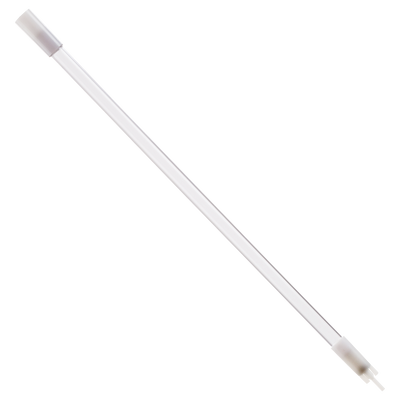
Login

Forgot your password?

Don't have an account yet?
Create account