Airlock - 3 Piece
Airlock - 3 Piece
SKU: FE370
$3.29
Volume Pricing
Get a discount when you buy more.
| Quantity | Price |
|---|---|
| 2+ | $2.96 |
| 5+ | $2.63 |
Calculating shipping time...


SKU: FE370
$3.29
Get a discount when you buy more.
| Quantity | Price |
|---|---|
| 2+ | $2.96 |
| 5+ | $2.63 |
Did these things bubble.
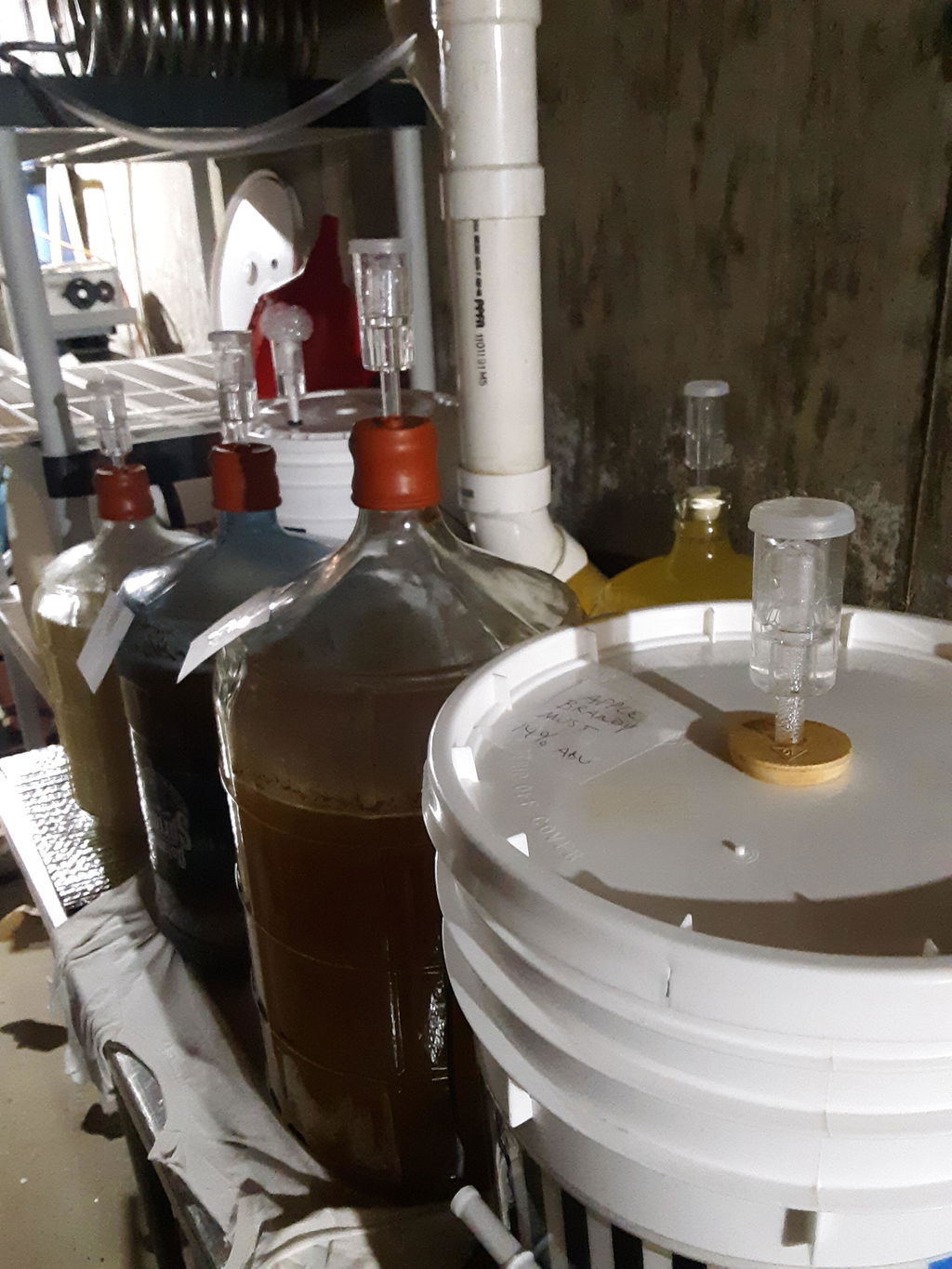
It's an airlock. It does the job well. Rattly little bubbler when it's active, which makes monitoring the ferment rather easy.
They are fine and came as expected, fast service!
They work. Not much else to say about them.
Great for carboy fermentation
These come apart easily and are very easy to clean. They also do a very good job of maintaining an airlock.
Always keep a few of these around just in case.
It's an airlock, it works, what else can be said?
Great airlock for a great price.
Works great. Easier to use and maintain than the alternate model.
It’s an air lock like any other air lock
Haven't used yet, but I'm confident I'll work as intended.
Versus the one piece "S" shaped airlock:Pros: This 3 piece lets in less oxygen, according to a study that Better Bottle put out (google it). Makes sense, since the plastic is thicker and less is exposed to the air. Cleaning is also easier since you can disassemble it. Lastly, this one seems to keep clear longer that the one piece. Cons: If the temperature drops, you'll get sanitizer or water in your beer. The one piece "S" airlock doesn't do that. Overall I like this one better.
Nice fit, easy to seal
Excellent airlock. Easy to clean, works great!
always works never had a problem
I have used these airlocks for years..Some are over 10 years old and still work beautifully! If you take care of them they will last a long time.
The plastic on these is a bit thinner than some of the other 3 piece airlocks that I have, but the lid part is actually nicer than others. Acceptable value.
Does the job can’t say anything else
Pro: Easy ti cleanWorksCheapConSucks the isolation fluid back into the fermenter when the pressures reverse (cold crashing)
Did these things bubble.
I use both types I like that these can be cleaned out completely with a brush.
Works well. No problems
Bought these as a replacement for originals that i have broken, or lost pieces too. They are effective.
No issues, these work great!
These are my go to Airlocks!Easy to use and clean.Been using this type of Airlock for many years.
Even being more conversing then the simple S style airlock, I will always take a three piece. These are beautiful. You can tell they are fresh from the factory.
Easy to clean easy to use neat to watch
Standard airlock, not much to say other then it works great its my preferred type.
Works as advertised. Nothing special. Gets the job done.
These work great, but, if the top ages and breaks, you cannot just get the tops. But when I found that out, I found that you can use the caps from Rx bottles, they fit perfectly.
These are simple, easy to keep clean, and effective. What more do you want? You can fill it with water, vodka, or sanitizer and it works just fine.
Work just like they should. Easy to clean 3 piece unit.
Easy to clean, easy to fill (I use vodka, rather than sanitizer when I ferment) and reliable.
These are the only airlocks I trust. Love em. Been using them for years.