.png)
.png)
(1).png)
.png)


| Item # | H315HF |
| Shipping | Eligible for Free Shipping Program |
| Availability |
California - In Stock Pennsylvania - In Stock |
| Weight | 6 LBS |

The History of MoreBeer! & March
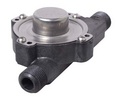
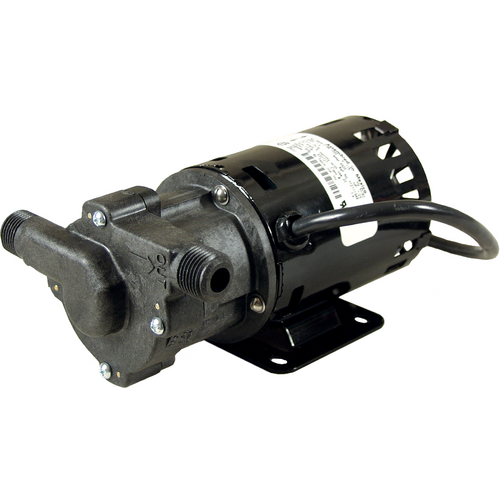
Many years ago MoreBeer! worked with March Pumps to release what is now the standard pump in the homebrewing community, their model 809 (our H315) with a polysulfone head and 6' cord with plug. Thousands and thousands of these pumps have been sold to homebrewers.
The New Design
Now, with a slight design modification, the new model nearly eliminates past cavitation issues (where the impeller spins in an air pocket and no liquid moves). We've been testing/using the pump with our BrewSculptures for several years now and are extremely happy with the results, so much so that we are completely replacing the H315 with the high flow model.
Still Works the Same
The new model comes with all the great features of the original - magnetic drive, handles flow restriction, okay for boiling temperatures, 6' cord with plug, food-grade materials in contact with the liquid, 1/2" ports, etc. - but now features a different slightly higher flow rate with less issues of cavitation.
The magnetic drive in a March pump acts as a clutch allowing the user to put back pressure on the pump to slow down flow. Since it is magnetic drive, it is not self-priming, you must put the pump below the level of the liquid source. This pump cannot be run dry.
Additional Notes
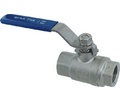
To restrict flow place a ball valve on the out flow of this pump.
This is the pump we install and use on all of our BrewSculpture brewing systems.
We stock polysulfone replacement heads, H317, in case the threads are damaged.
If you are looking for a pump for a larger home brewery or small nano brewery you can also look at our H325 Nano Brewery pump from March.
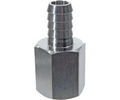
Note: When using silicone tubing, we recommending using a slighlty larger barb than the I.D. of the tubing. This is because silicone tubing tends to have greater pliability than most tubing. For example, when using 1/2" silicone tubing, we recommend our 5/8" barb (H620), to help ensure a better seal!
| Item # | H315HF |
| Shipping | Eligible for Free Shipping Program |
| Availability |
California - In Stock Pennsylvania - In Stock |
| Weight | 6 LBS |